Communities Build New Economy Around Shared Food and Care
Across the globe, neighborhoods are replacing traditional capitalism with cooperative farms, community land trusts, and mutual aid networks that put people and planet first. This "solidarity economy" is already feeding thousands while proving another way of organizing society is possible.
What if the economic system that feels inevitable today is actually just one choice among many, and a better option is already growing in our own backyards?
Communities worldwide are building what researchers call the "solidarity economy," a network of cooperative businesses, community gardens, time banks, and shared childcare systems that reject profit-driven growth in favor of collective wellbeing. These aren't theoretical experiments. They're feeding real people, creating jobs, and proving that democratic, ecological alternatives to capitalism can work right now.
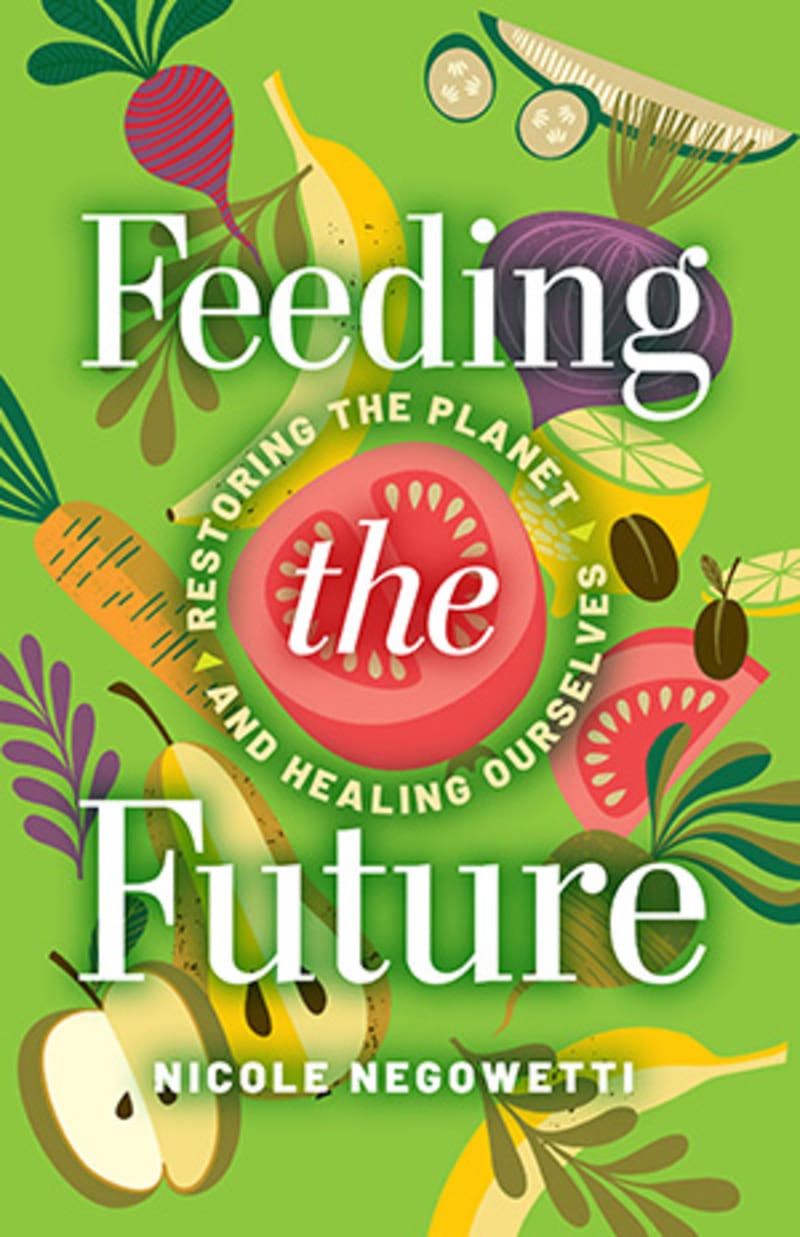
Nicole Negowetti's new book "Feeding the Future" describes these initiatives as "imaginal cells" within the current system. The metaphor comes from butterfly metamorphosis: inside the chrysalis, imaginal cells once dismissed by the caterpillar's immune system eventually cluster together and build something entirely new. Similarly, worker cooperatives, community supported agriculture programs, and mutual aid networks are connecting across neighborhoods to form a different kind of economy.
Food sits at the center of this transformation. When communities organize around growing, preparing, and sharing meals together rather than buying commodities, they rebuild relationships with land, labor, and each other that industrial food systems have broken.
The movement first emerged in Latin America and Europe in the 1990s, built on principles of equity, ecological stewardship, and participatory democracy. Instead of one universal blueprint, it supports diverse local solutions rooted in what each community actually needs.
These projects include community land trusts that keep housing affordable, public banks that invest in neighborhoods rather than Wall Street, and time banks where people trade skills without money. Participatory budgeting lets residents decide how public funds get spent. Credit unions keep savings local.
The Ripple Effect
The convergence of climate breakdown, pandemics, and rising inequality has shaken faith that current economic systems are sustainable or inevitable. In that rupture, alternatives once dismissed as impractical are suddenly feeding families and building resilience where traditional markets have failed.
Emily Kawano of the U.S. Solidarity Economy Network emphasizes that we don't need to wait for revolution. These regenerative practices already exist in thousands of communities, proving daily that organizing economic life around care rather than competition actually works.
The shift redefines what infrastructure is for. Housing, education, healthcare, and food systems stop prioritizing profit and start serving community wellbeing and ecological health instead.
Food justice initiatives like community gardens and CSAs demonstrate how this works in practice. They treat food not as a commodity but as a commons, something communities steward together for collective nourishment.
What once seemed like isolated experiments are now connecting into networks that support each other, share resources, and build power. As these imaginal cells find each other and cooperate, they're forming the wings of something genuinely new.
The solidarity economy offers more than survival during crisis—it's a glimpse of flourishing built on different values, already taking shape in neighborhoods worldwide.
More Images


Based on reporting by Stanford Social Innovation
This story was written by BrightWire based on verified news reports.
Spread the positivity!
Share this good news with someone who needs it
%2Ffile%2Fattachments%2Forphans%2F51Momandboy_441858.jpg)
%2Fhttps%3A%2F%2Ftf-cmsv2-smithsonianmag-media.s3.amazonaws.com%2Ffiler_public%2F58%2F60%2F5860f436-518c-44e8-8e30-4abdbdcd895d%2Fwatts_towers_arts_center.jpg)