Communities Drop Surveillance Cameras Over Privacy Wins
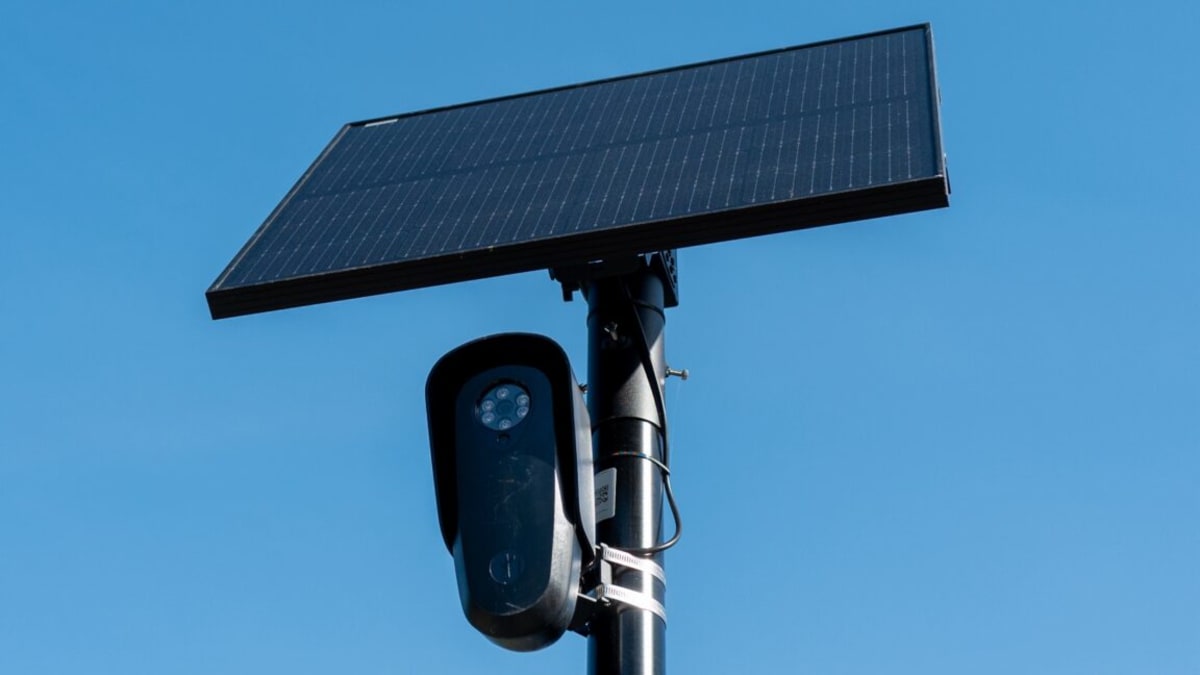
Over 200 American cities have ditched intrusive surveillance cameras, with 93 communities taking action in August alone. Citizens are successfully pushing back against mass tracking technology that threatened their privacy.
Communities across America are standing up for privacy rights and winning big.
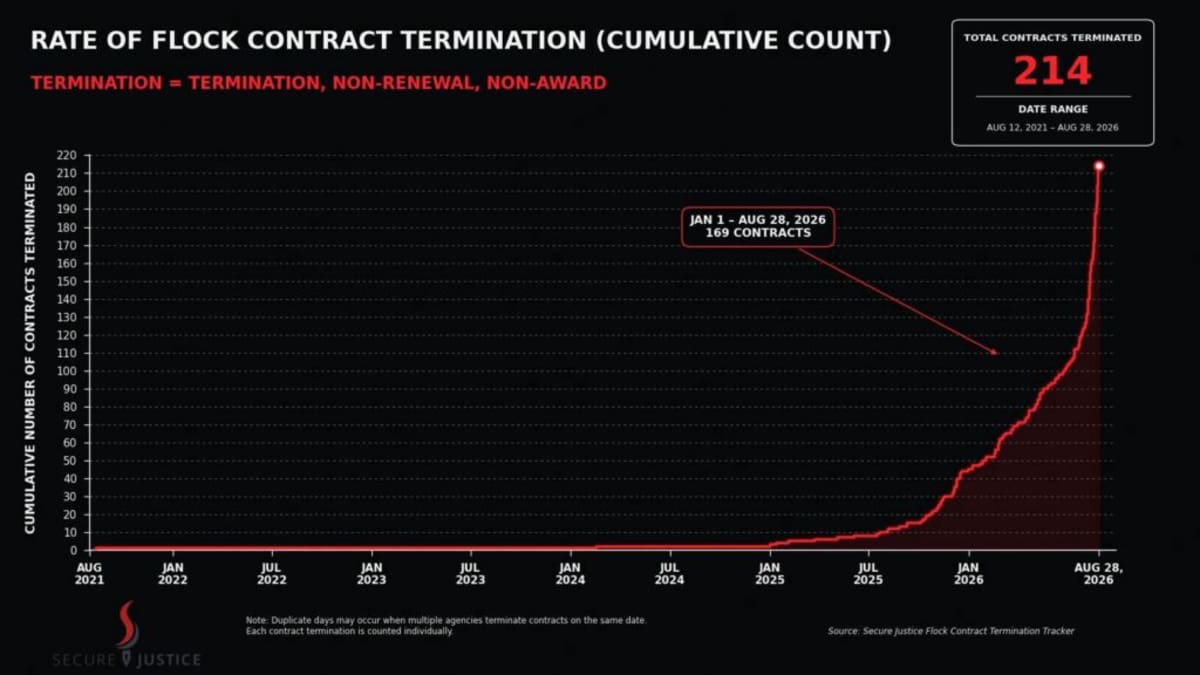
More than 200 cities and counties have ended contracts with Flock Safety surveillance cameras since 2021, with momentum building fast. In August 2026 alone, 93 localities terminated their agreements, up from just 23 the month before. That means an average of three communities per day decided to protect their residents' privacy over expanding surveillance.
Towns from Lansing, Michigan, to Pflugerville, Texas, cited the same concerns: cameras that felt more like Big Brother than public safety tools. Residents worried about police misuse, unwanted data sharing, and the hefty price tag of constant monitoring.
Their concerns proved valid. Two Florida police officers were arrested for misusing the camera system, with one tracking an ex-girlfriend. A Texas sheriff's office searched the system to find a woman who had an abortion. Federal agents even proposed using it to monitor people outside gun shows.
The outcry became so loud that Florida Governor Ron DeSantis called the cameras "out of control." Senator Josh Hawley launched an investigation. Both Republicans and Democrats started questioning whether communities really needed this level of surveillance.
Facing mounting pressure, Flock responded by cutting data storage from 30 days to just seven. The company also banned harassment and stalking in its terms of use. But for many communities, the changes came too late.
The Bright Side
This story shows democracy working exactly as it should. Regular citizens attended town halls, contacted representatives, and made their voices heard. Local governments listened and acted.
Even Flock Safety acknowledges that "public safety technology deserves thoughtful public discussion and community engagement." While the company claims new partnerships still outpace cancellations ten to one, the rapid acceleration of exits signals a shift in public sentiment.
Brian Hofer of Oakland advocacy group Secure Justice, which tracked all 214 cancellations, sees the momentum building. "At that speed, if it goes another year, we're talking serious money," he said. The message to tech companies is clear: communities want a say in how they're monitored.
Privacy advocates note that artificial intelligence makes these cameras fundamentally different from older red light cameras. "Maybe in the past it didn't feel like every red light cam really meant a pair of eyes was watching you, but with AI, that's increasingly becoming the reality," explained Jake Laperruque of the Center for Democracy and Technology.
When people come together around shared values, they can reshape the future of their communities.
More Images


Based on reporting by Ars Technica
This story was written by BrightWire based on verified news reports.
Spread the positivity!
Share this good news with someone who needs it