Communities Fight Climate Change With Ancient Wisdom
A new multimedia series showcases how communities worldwide are solving environmental crises using local knowledge and practical action. From Mexico City's floating farms to Thailand's giant fishing nets, people are adapting to climate change their own way.
While headlines often focus on environmental doom, communities around the world are quietly solving climate problems with their own hands.
Mongabay, a nonprofit environmental news platform, just launched a special multimedia series documenting these grassroots solutions. The collection features communities responding to climate change, biodiversity loss, and pollution using centuries-old wisdom combined with modern innovation.
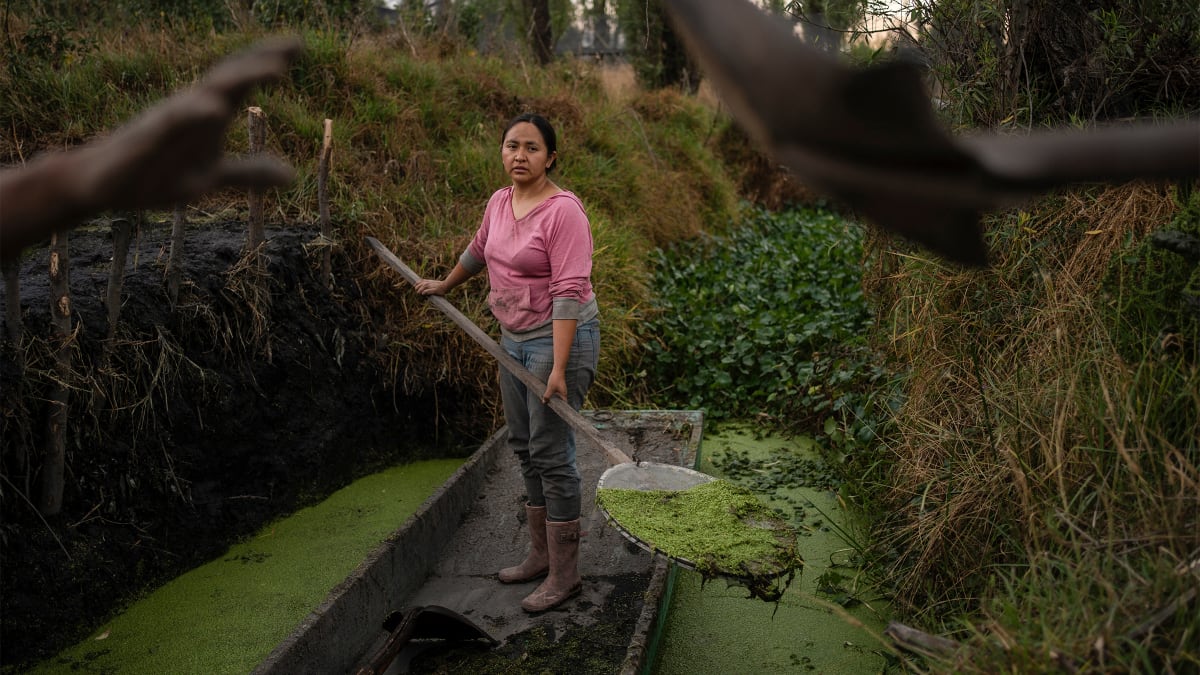
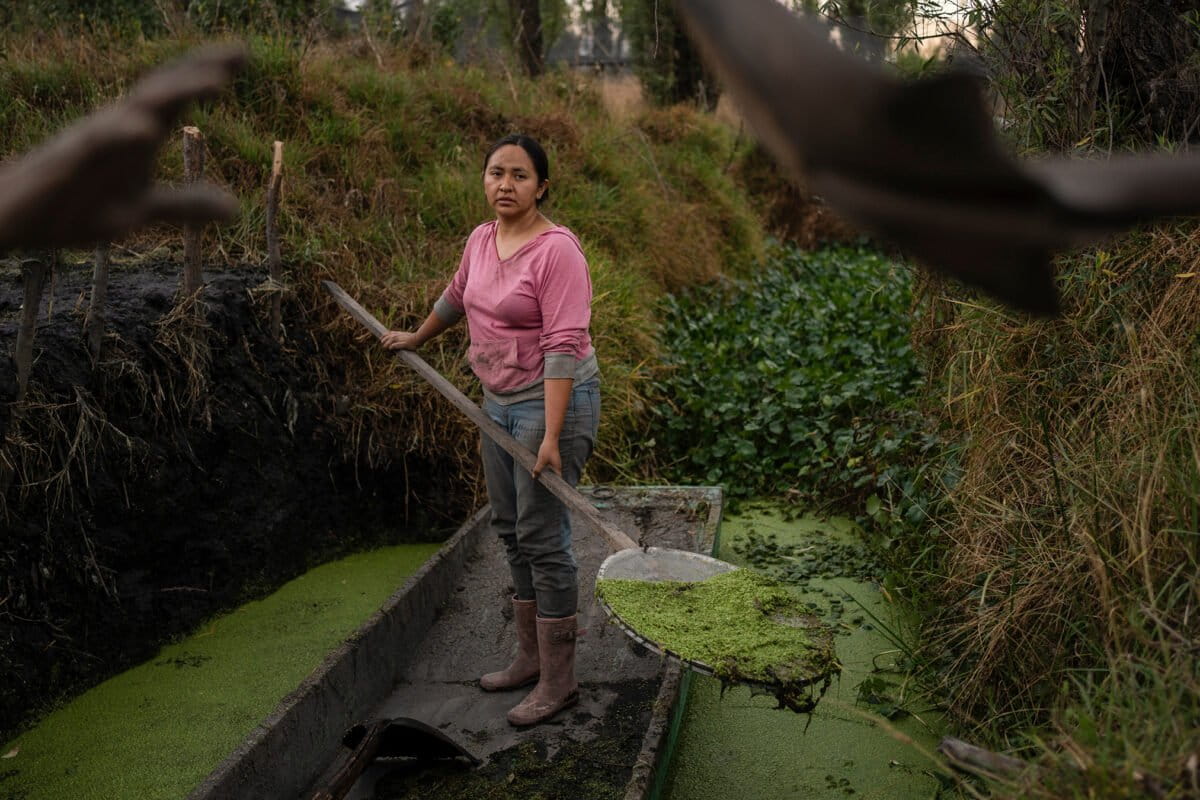
The stories span continents and challenges. In Mexico City, residents are saving ancient chinampas, the floating farms built by Aztecs that still feed communities today. Women are stepping up to protect these island farms, which were traditionally inherited only by men.
In Thailand, communities are working to preserve famous giant fishing nets that represent both cultural heritage and sustainable food systems. The massive structures have fed coastal villages for generations.
Another featured story explores tiny houses specifically designed to withstand extreme flooding. As climate-related floods increase worldwide, these innovative shelters offer a practical adaptation strategy that protects families while maintaining affordability.
What makes these solutions special is their foundation in local knowledge. Communities aren't waiting for top-down policy changes or expensive technology. They're using applied wisdom, traditional craftsmanship, and cultural worldviews that have sustained people through environmental challenges for centuries.
The Ripple Effect
These hands-on approaches offer something global climate strategies often miss: solutions that work within specific ecosystems and cultures. When a Mexican woman learns to maintain her family's floating farm, she preserves both food security and ancestral knowledge. When a Thai village protects its giant nets, it safeguards sustainable fishing practices that could inform modern fishery management.
The series shows environmental action doesn't always require millions in funding or advanced degrees. Sometimes it requires listening to communities who've been adapting to their environments for generations.
Mongabay's special issue includes four initial stories, with their broader archive featuring collections on forest restoration and ocean conservation. The nonprofit organization focuses on telling stories from nature's frontline, documenting both challenges and solutions in accessible formats.
These communities prove that climate adaptation can be rooted in heritage rather than starting from scratch. Their craftsmanship and practical knowledge represent crucial tools for navigating environmental crises at the local level, where impacts hit hardest and solutions must work immediately.
More Images
Based on reporting by Mongabay
This story was written by BrightWire based on verified news reports.
Spread the positivity!
Share this good news with someone who needs it
%2Ffile%2Fattachments%2Forphans%2F62Stock_930555.jpg)
