Community Health Events Double Alzheimer's Study Diversity
Emory researchers cracked the code on diversifying Alzheimer's studies by meeting African American communities where they are. Church gatherings and neighborhood events boosted enrollment in communities hit hardest by the disease.
African Americans face twice the risk of developing Alzheimer's disease, yet they've been largely missing from the research meant to help them. A new study from Emory University shows how simple, intentional outreach changed that reality.
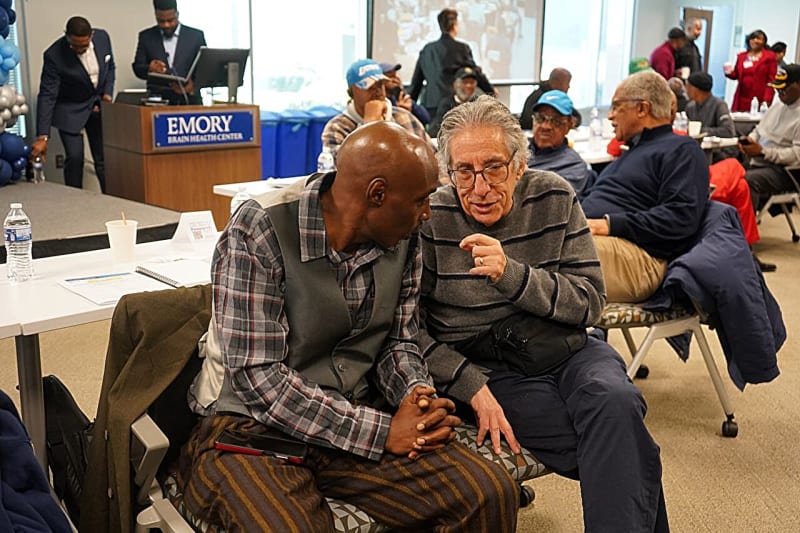
Researchers at the Goizueta Alzheimer's Disease Research Center analyzed eight years of enrollment data from 194 adults. They discovered that community-based health events held in trusted spaces like churches and neighborhood centers dramatically increased participation among African American adults.
The approach worked better than anyone expected. African American participants were far more likely to attend educational outreach events before enrolling compared to white participants, showing the power of meeting people in familiar, comfortable settings.
Even more surprising, African American men enrolled faster than any other group. This matters because researchers typically consider this demographic the hardest to engage in clinical studies. The secret was creating programs with content that spoke directly to their health concerns and lived experiences.
Dr. James Lah, associate director of the research center, emphasized why this breakthrough matters. Alzheimer's disease hits African American and Hispanic communities hardest, yet these populations remain consistently underrepresented in the very research that could help them most.
The study tracked participants from 2016 to 2024, building partnerships with local organizations and hosting regular health education events. These weren't one-time visits but sustained relationships built on trust and mutual respect.
The Ripple Effect
When research includes the communities most affected by a disease, everyone benefits. More diverse study participants mean treatments and interventions work better across different populations, not just the groups historically overrepresented in clinical trials.
The Emory team's approach creates a blueprint other research centers can follow. Their findings show that culturally responsive strategies informed by community input don't just improve numbers but strengthen the quality and relevance of scientific discovery.
The research team plans to study whether these strategies maintain long-term participant retention and how they might scale to other regions and populations. For now, their success proves that closing the diversity gap in medical research starts with showing up and listening to the communities you hope to serve.
More Images
Based on reporting by Medical Xpress
This story was written by BrightWire based on verified news reports.
Spread the positivity!
Share this good news with someone who needs it