
Community Lenders Find $8M for Clean Energy Despite Setbacks
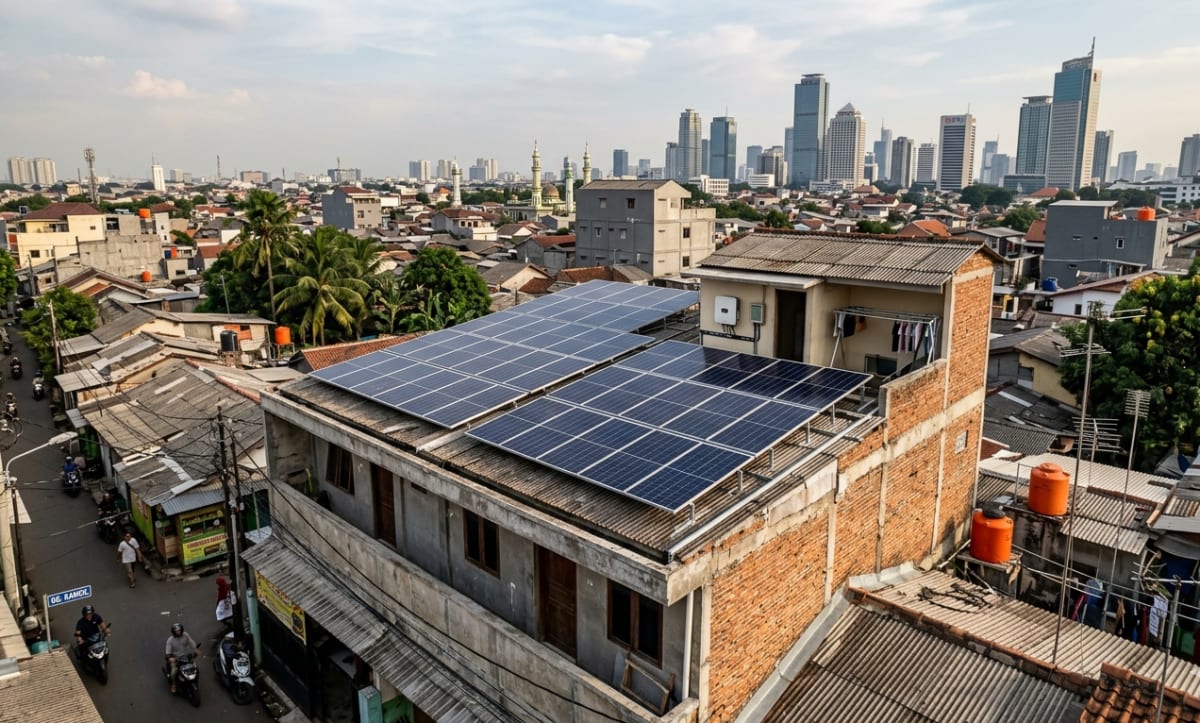
Despite losing $20 billion in federal funding, community lenders are piecing together millions from private donors to bring solar panels and energy upgrades to underserved neighborhoods. These small wins are proving clean energy projects can thrive even without government support.
Community lenders across America are refusing to give up on their mission to bring affordable clean energy to neighborhoods that need it most, even after $20 billion in promised federal funding vanished over a year ago.
The Justice Climate Fund has assembled $8.2 million from a patchwork of sources since January 2026. That includes $5 million for Native community lending, $720,000 from Michigan for energy retrofits, and $2.5 million to fund green projects across the Southeast.
It's nowhere near the original $940 million the Durham-based fund expected to deploy. But each dollar is proving something crucial: these investments make economic sense on their own, especially as oil and natural gas prices keep climbing.
"We still believe fundamentally that the network of community lenders is the best approach to scaling energy lending at a local level," says Amir Kirkwood of Justice Climate Fund. His team is now working to convince bigger investors to step in where the federal government stepped back.
The need has never been more urgent. For energy-burdened households, utility bills consume more than 6% of their annual income. Rooftop solar panels, energy-efficient upgrades, and community solar projects can slash those costs dramatically.
Community lenders have long served as lifelines to underserved areas during tough times. Now they're scrambling to educate pension funds and family offices about why these small-scale investments deserve attention alongside massive deals.
One breakthrough came through a partnership with advocacy group Ceres. Together they mapped out practical investment strategies that show institutional investors how community-scale projects can deliver solid returns while cutting energy costs for struggling families.
Pacific Community Ventures found success by offering fixed-income notes with 3-5% returns over five to seven years. Calvert Impact Capital raises funds through community investment notes and channels them to vetted community development lenders.
The Ripple Effect
These small investments create waves of change that extend far beyond individual buildings. When a family's energy bill drops by hundreds of dollars yearly, that money flows back into local groceries, healthcare, and small businesses.
Community solar projects create local jobs in installation and maintenance. Energy retrofits train workers in green building skills that translate to long-term careers. Each successful project also proves to skeptical investors that community-scale clean energy lending works.
The approach is building a blueprint for climate action that doesn't depend on federal whims. As Kirkwood's team bridges the gap between Wall Street expectations and Main Street needs, they're showing that private capital can fuel public good.
Despite the setbacks, community lenders are betting that patient money and proven results will eventually attract the larger investments these projects deserve.
More Images


Based on reporting by Google: clean energy investment
This story was written by BrightWire based on verified news reports.
Spread the positivity!
Share this good news with someone who needs it
%20-%202.png)