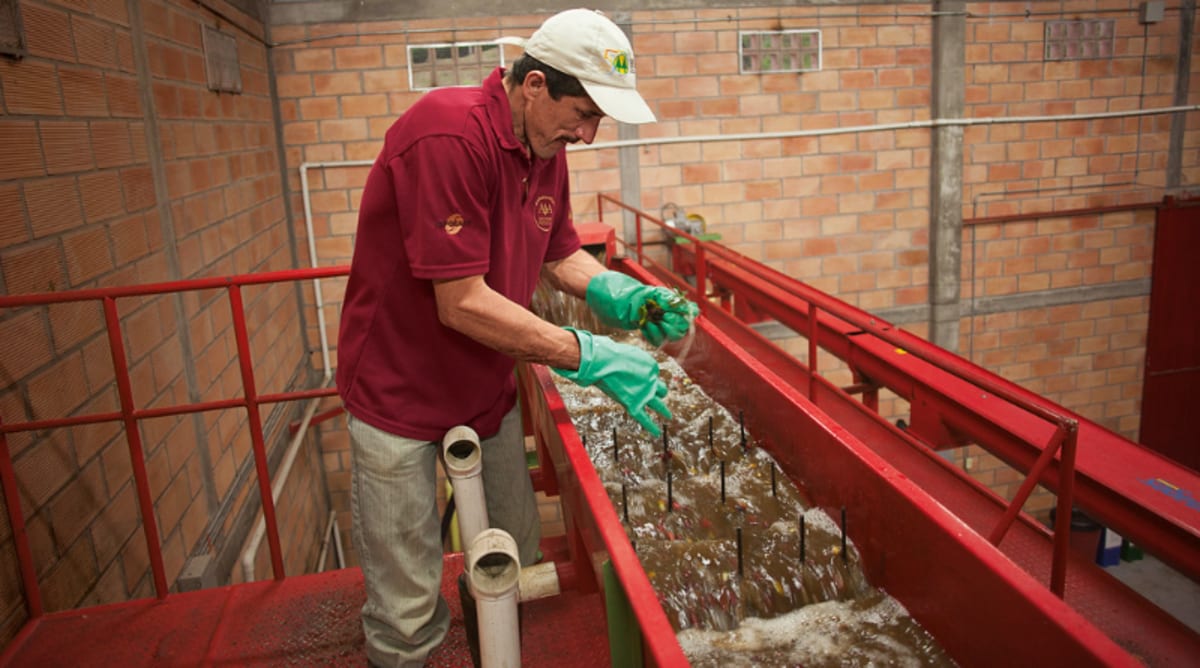
Companies Find 80% of Carbon Emissions Hiding in Supply Chains
Corporations are quietly discovering that most of their climate impact happens outside their walls, in the products they buy and sell. Now they're learning to spot and fix these hidden emission hotspots.
📺 Watch the full story above
While headlines focus on factory smokestacks, the biggest climate action is happening in an unexpected place: corporate supply chains, where companies are finding up to 80% of their total carbon footprint has been hiding all along.
These hidden emissions, called Scope 3, come from everything a company doesn't directly control. They include the materials suppliers produce, the trucks that deliver products, how customers use those products, and what happens when items get thrown away.
Only 5% of US companies currently report these supply chain emissions. But corporations are quietly investing in new tools to track them down, even as climate talk fades from official government language.
The breakthrough comes from a technique called hotspotting. Instead of trying to measure every emission everywhere, companies pinpoint the specific suppliers, shipping routes, or product uses that create the most pollution. It's like finding the biggest leaks in a water system before trying to fix every drip.
For oil and gas companies, these supply chain emissions can represent over 80% of their total climate impact. Even companies in less polluting industries typically find that four out of five tons of carbon they're responsible for happens in their supply chain, not their own facilities.
The solution requires a mix of better data tracking, working directly with suppliers to reduce emissions, and embedding climate goals into purchasing decisions. Technology helps, but experts warn it's not a magic fix. Real progress requires changing relationships with the companies that make and move products.
The Ripple Effect
When one major company identifies emission hotspots in its supply chain, it creates pressure that spreads. Suppliers who clean up their operations for one customer become cleaner for all their customers. Transportation companies that switch to lower-emission vehicles serve multiple businesses at once.
This collective approach is already gaining momentum. Companies are sharing strategies through forums and industry groups, recognizing that climate progress in supply chains works better when everyone tackles similar problems together. The World Economic Forum now offers a six-step framework that hundreds of companies are adopting.
The challenge remains real. Companies have less control over supplier decisions than their own operations. But by focusing resources on the biggest emission sources first, corporations are proving that the 80% hiding in supply chains isn't impossible to reduce.
Progress is happening behind the scenes, one supply chain hotspot at a time.
Based on reporting by CleanTechnica
This story was written by BrightWire based on verified news reports.
Spread the positivity!
Share this good news with someone who needs it