Computer Scientist Offers Solution to AI Hallucinations
A new approach to artificial intelligence could eliminate the "hallucination" problem that makes today's AI unreliable for scientific research. Computer scientist Tudor Achim is reviving a 400-year-old idea to create AI that simply can't make errors.
What if we could build AI that's mathematically incapable of being wrong?
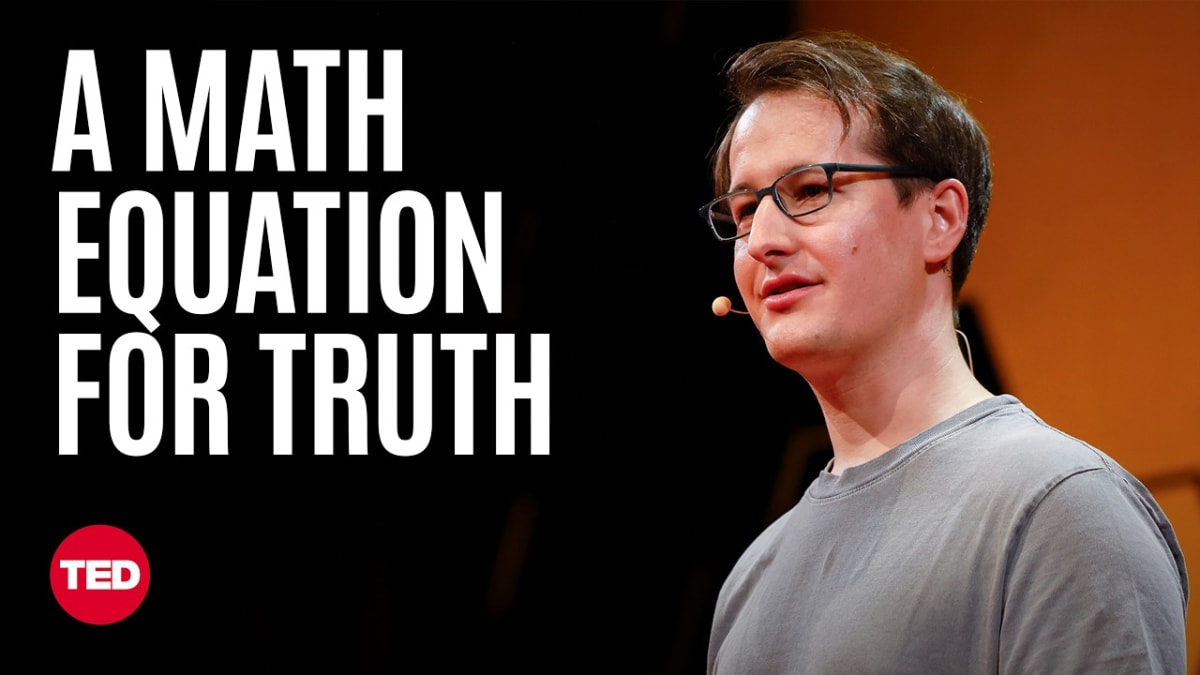
Computer scientist Tudor Achim believes he's found the answer to one of artificial intelligence's biggest problems. In a recent TED talk, he explained how today's generative AI systems hallucinate, creating false information that makes them dangerously unreliable for scientific work.
The solution, Achim argues, lies in an idea from 1666. Philosopher Gottfried Wilhelm Leibniz dreamed of a logical framework where errors would be impossible to make.
Achim calls his vision "mathematical superintelligence." Instead of relying on pattern-matching chatbots that sometimes guess wrong, this approach would ground AI in formal verification. Every answer would be provably correct before the system delivers it.
The technology would transform AI from a creative writing tool into a rigorous scientific partner. Researchers could trust the results completely, opening doors to discoveries that require absolute precision.
Formal verification already exists in specialized fields like aerospace and cryptography, where errors can be catastrophic. Achim wants to bring that same mathematical certainty to general-purpose AI systems.
The Bright Side
This isn't just theoretical wishful thinking. The building blocks for mathematical superintelligence already exist in computer science. Achim is working to combine them in new ways that could make reliable AI a reality within years, not decades.
If successful, scientists could accelerate research in fields from medicine to climate science. They'd have AI assistants that never confuse correlation with causation or invent plausible-sounding facts.
The approach also addresses growing concerns about AI safety. A system that can prove its own correctness is inherently more trustworthy than one that operates as a black box.
For science that can't afford mistakes, verifiable AI could be the partner researchers have been waiting for.
Based on reporting by TED
This story was written by BrightWire based on verified news reports.
Spread the positivity!
Share this good news with someone who needs it