Concrete-Trapped Owl Gets Feather Transplant, Flies Free
A young great horned owl survived being encased in concrete and received a groundbreaking feather transplant to fly again. After seven months of innovative care, he soared back into the Utah sky.
When rescuers found a young great horned owl trapped in a concrete mixer in St. George, Utah last fall, a quarter of his body was encased in dried cement. The bird couldn't fly, and saving him would require a surgery his rescuers had never attempted before.
The owl needed daily 20-minute baths under anesthesia just to remove the hardened concrete from his feathers. Utah's Wild Friends sanctuary took him in, hoping his natural spring molt would replace the damaged feathers on its own.
But spring came and went, and the feathers didn't regenerate properly. In 40 years of wildlife rescue, the team at Best Friends Animal Sanctuary had never seen anything like it.
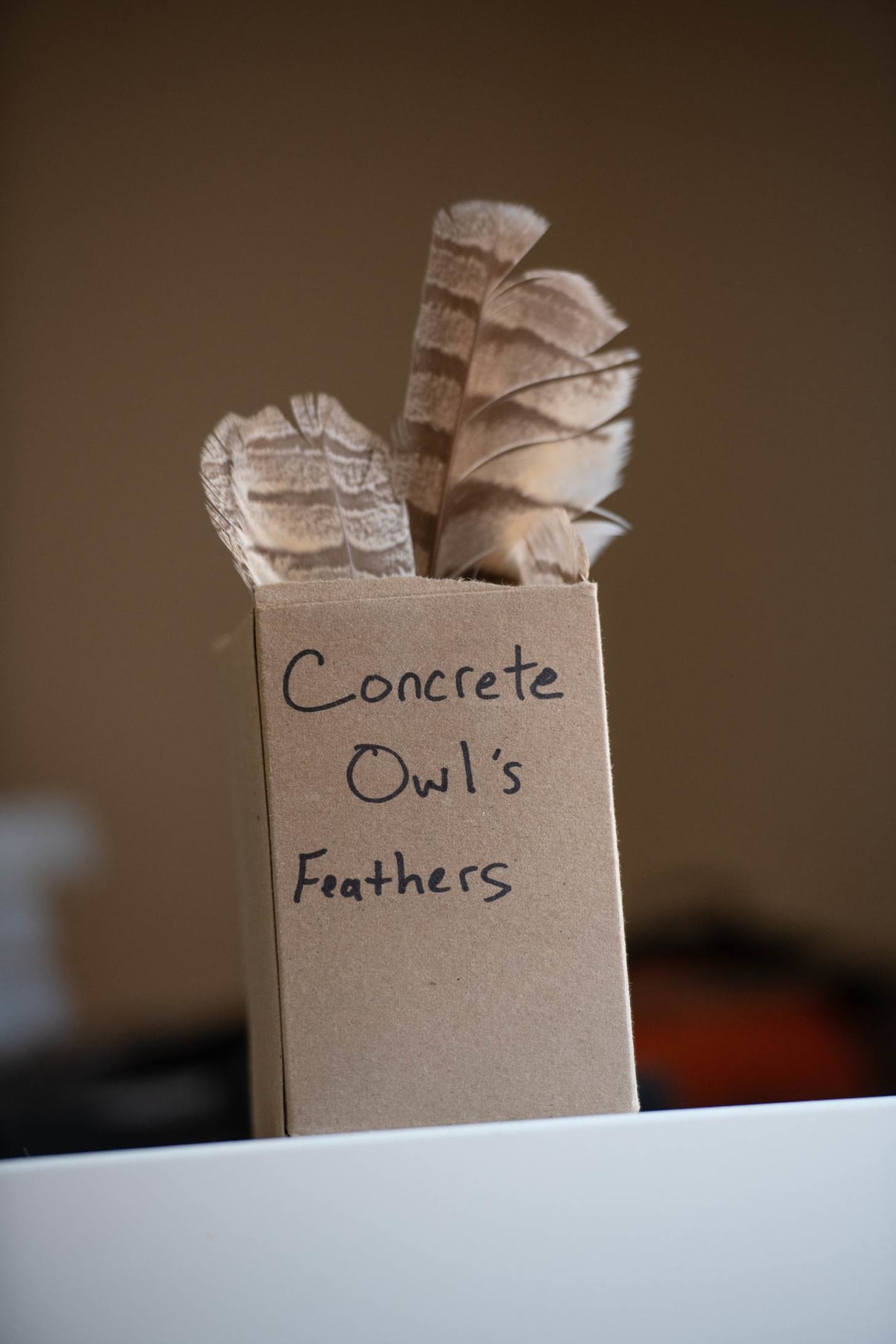
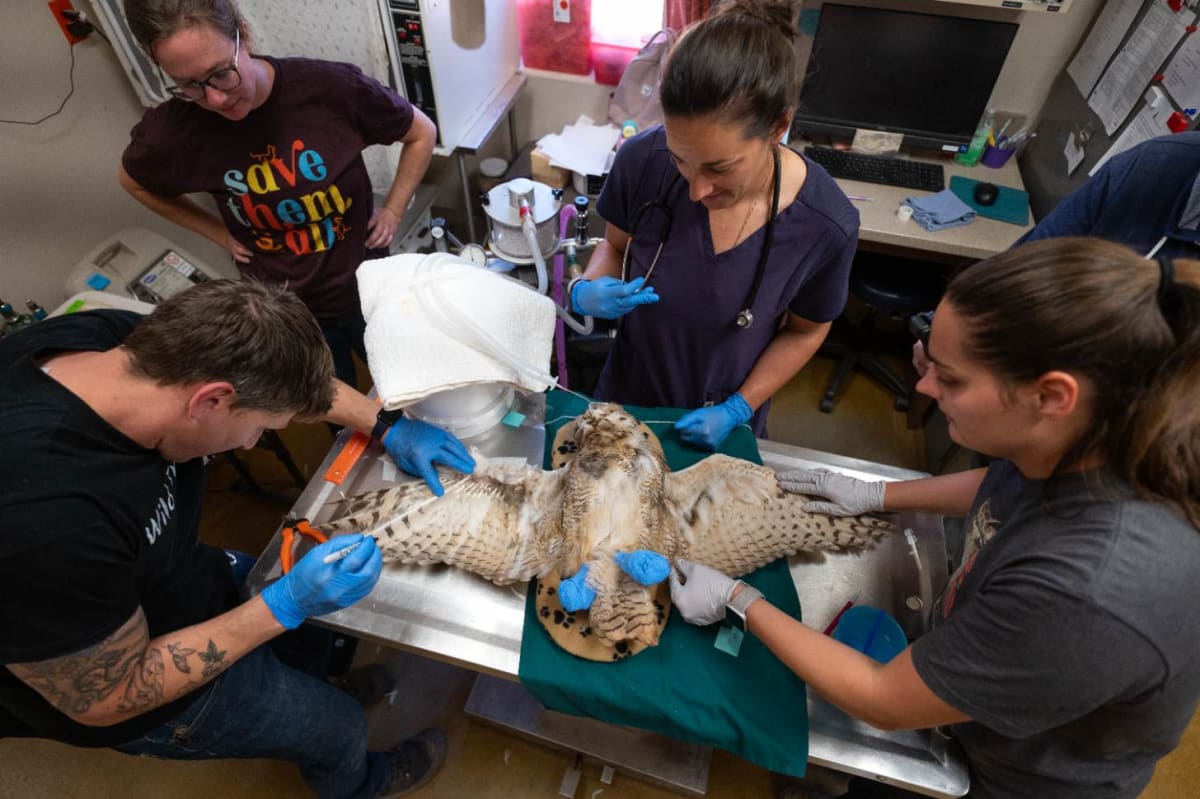
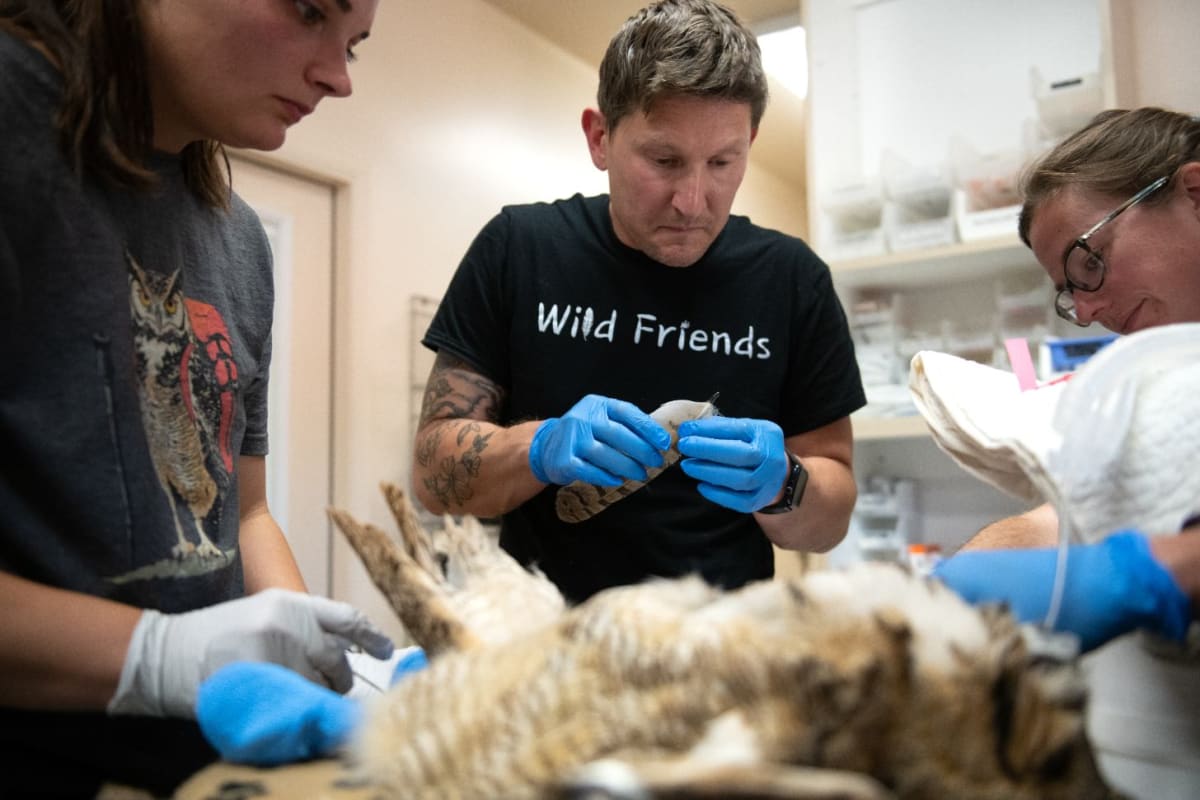
That's when supervisor Bart Richwalski and his team discovered imping, a rare procedure that transplants donor feathers onto damaged ones using adhesive. A wildlife rescue in Northern Utah provided feathers from a deceased great horned owl of similar size, giving the concrete owl a second chance at flight.
For weeks, the veterinary team studied their patient's unique feather patterns, mapping out exactly which feathers needed replacement. On May 1, they performed the delicate 90-minute surgery, replacing 10 primary feathers and one secondary feather on the owl's right wing.
"The first few feathers were extremely nerve-wracking," Richwalski told reporters. "But as we got into the groove, the imping became more comfortable, and everything went smoothly."
Why This Inspires
This story shows what's possible when experts refuse to give up on a single life. The Wild Friends team didn't just follow standard protocols; they researched, reached out to other rehabilitators, and learned an entirely new procedure to help one owl.
Their innovation matters beyond this one bird. Now other wildlife centers know that imping works for owls, creating a blueprint for future rescues facing similar challenges.
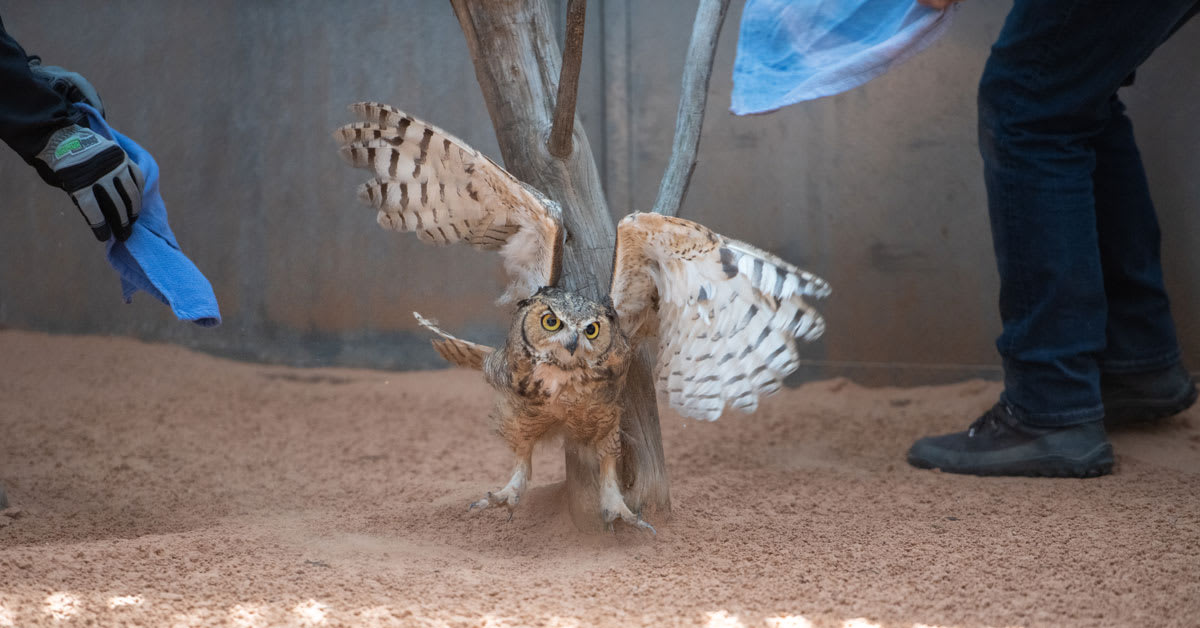
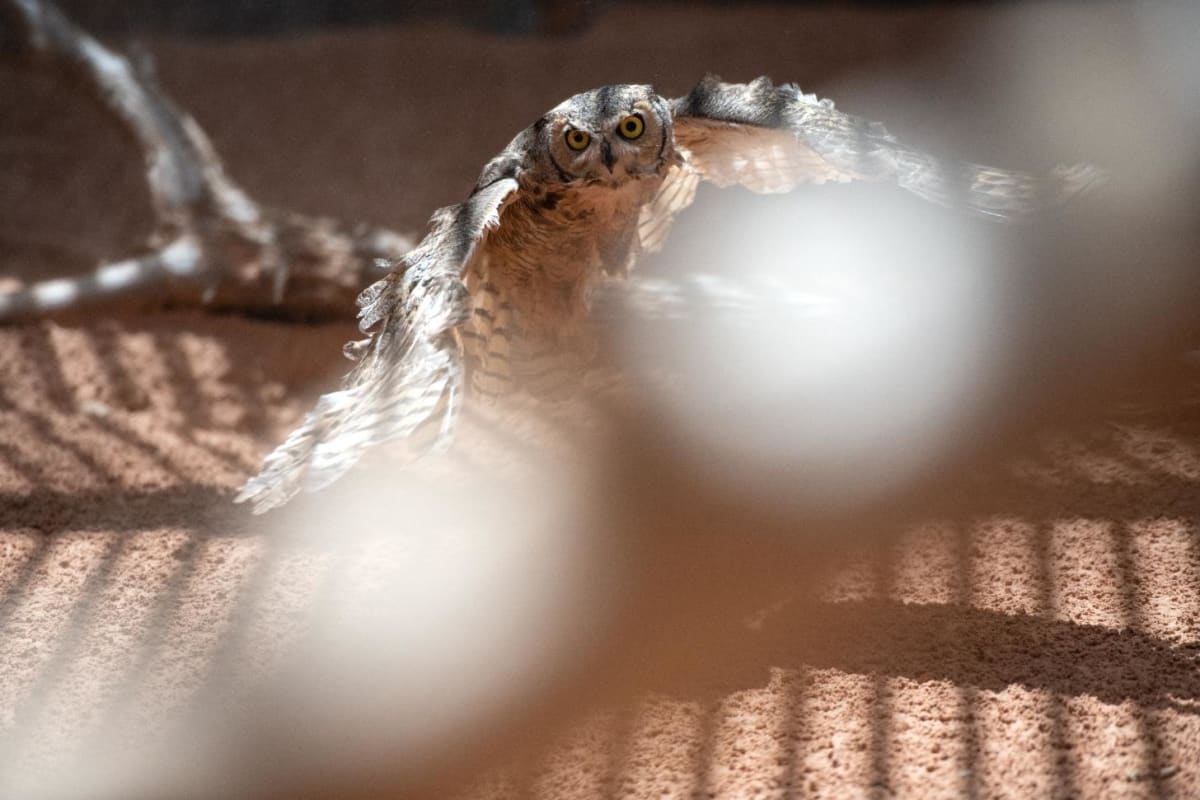
After surgery, the owl recovered in the sanctuary's largest aviary, quickly flying to the highest perch. Richwalski measured his wingbeat to ensure he had regained silent flight, the specialized skill owls need to hunt without being detected by prey.
When the aviary roof opened, the owl hesitated briefly before gaining speed and disappearing into the Utah sky. "I don't know that my heart was beating until I saw him leave," Richwalski said, reflecting on the seven-month journey from rescue to release.
The young male owl is now hunting and flying free, carrying transplanted feathers that gave him back his life.
More Images
Based on reporting by Good Good Good
This story was written by BrightWire based on verified news reports.
Spread the positivity!
Share this good news with someone who needs it