Congo Ebola Cases Drop 90% After Testing Confirms Good News
What looked like a massive Ebola outbreak in Congo just got much smaller. Better testing revealed that over 1,000 suspected cases were actually just 116, and five people have already recovered.
The Ebola outbreak in the Democratic Republic of Congo turned out to be far less severe than health officials initially feared. The World Health Organization confirmed this week that the actual case count dropped from over 1,000 suspected infections to just 116 after proper testing cleared most patients.
Dr. Christian Lindmeier, a WHO spokesperson, explained the dramatic revision during a press conference in Geneva. Most people who were initially suspected of having Ebola actually had other illnesses or simply had fevers with no serious disease.
As of May 31, Congo has reported 321 confirmed cases and 48 deaths, with neighboring Uganda recording nine cases and one death. While any loss of life is serious, these numbers represent a much more manageable situation than the health crisis officials braced for weeks ago.
The current outbreak involves the Bundibugyo strain, a less common form of Ebola that makes treatment challenging because existing vaccines don't target it. Despite this obstacle, five patients have already recovered from the virus without specialized treatment.
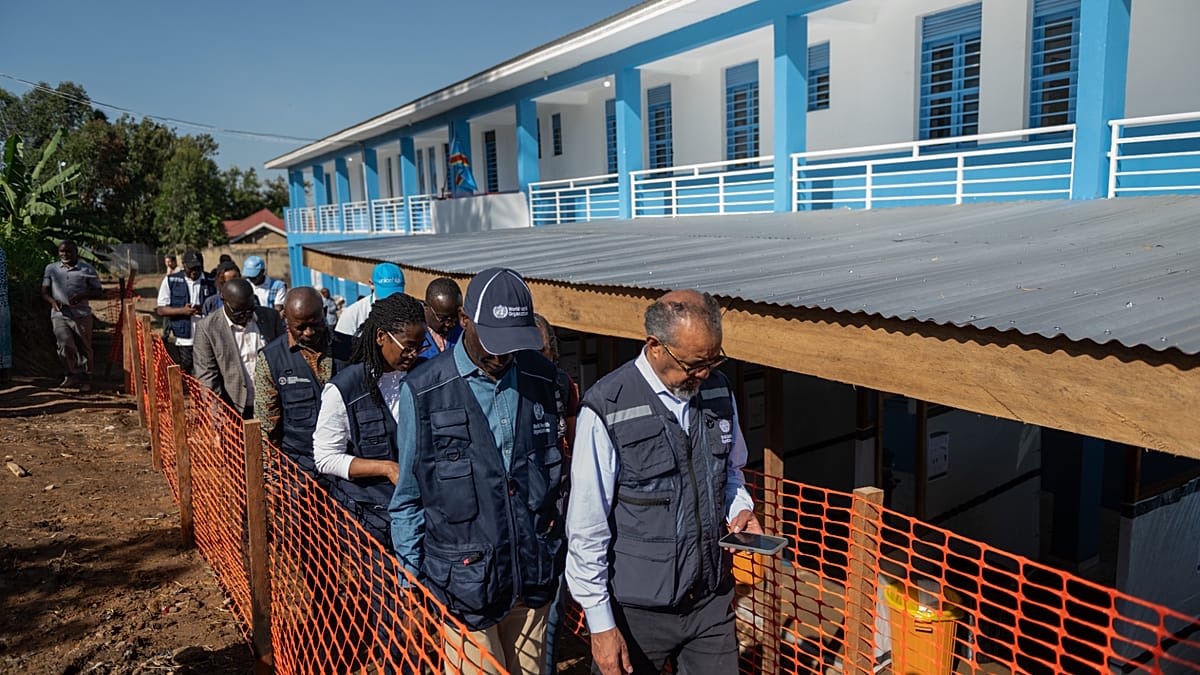
WHO Director-General Tedros visited Bunia, a city at the heart of the outbreak, to open a new Ebola treatment center and celebrate the recoveries. "Four people will be discharged today, and there was one that was discharged the day before yesterday," he announced, emphasizing that recovery is possible even without targeted vaccines.
The Bright Side
The smaller case count means health workers can focus resources more effectively on containment and care. Congo's health ministry identified key priorities including early detection, rapid isolation of patients, rigorous contact tracing, and safe burial practices in the remote affected region.
Scientists aren't standing still either. The Coalition for Epidemic Preparedness Innovations announced it will invest up to €53 million to fast-track three promising vaccine candidates specifically targeting the Bundibugyo strain. These vaccines, developed by the International AIDS Vaccine Initiative, Moderna, and the University of Oxford, represent the best hope for preventing future outbreaks of this particular strain.
The WHO identified these three as the most promising candidates currently in development, with manufacturing planned at the Serum Institute of India to ensure wide availability once approved.
Better data means better response, and in this case, it also means less fear and more focused action to protect communities.
More Images



Based on reporting by Euronews
This story was written by BrightWire based on verified news reports.
Spread the positivity!
Share this good news with someone who needs it