Congo Park Lifts 40,000 Homes From Poverty With Clean Power
A national park in Congo stopped asking starving families to choose between survival and conservation. Instead, they built hydroelectric plants that now power entire communities.
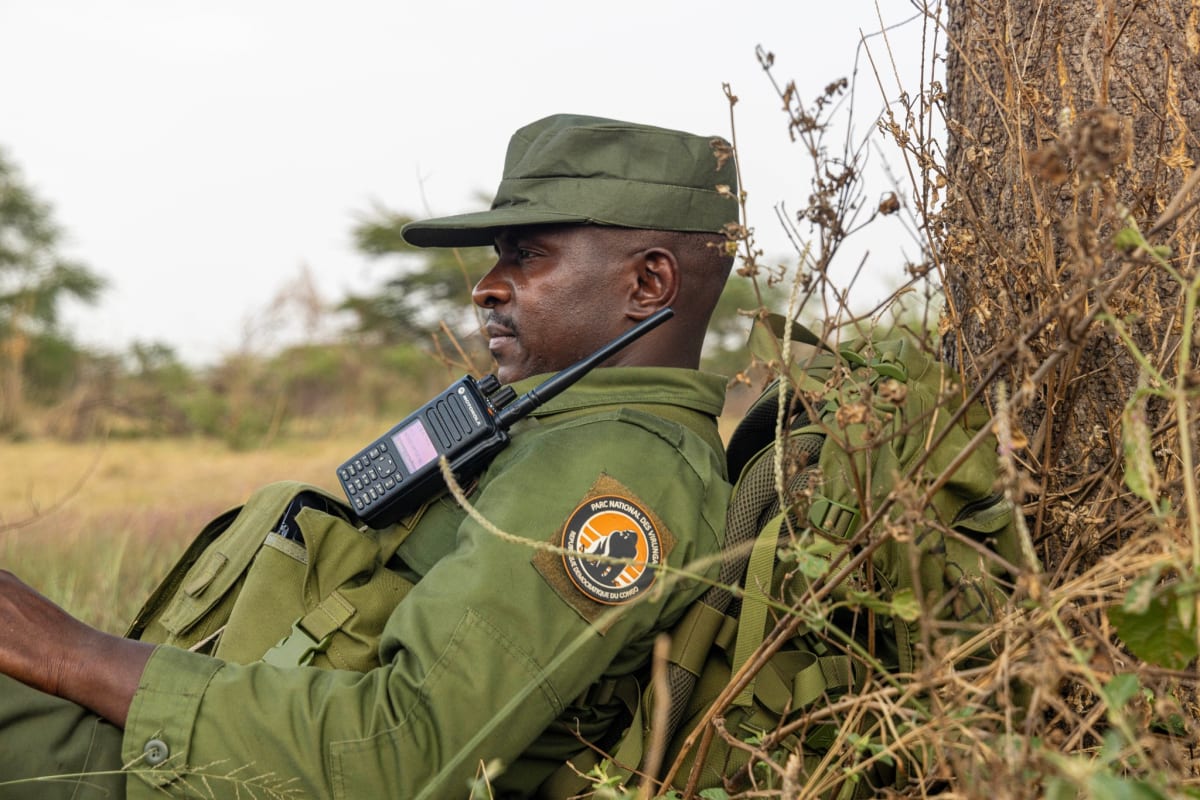
In 2007, Emmanuel de Merode watched women cling to an armed ranger's legs, begging for permission to enter the forest. They weren't asking to hunt wildlife but to cut trees for charcoal so they could cook meals and boil water for their children.
That moment changed everything for the director of Virunga National Park in the Democratic Republic of the Congo. He realized conservation was failing because it ignored a brutal truth: people can't protect nature when they're struggling to survive.
"If conservation creates hardships, it won't work," de Merode said during a recent interview. "We cannot tell people not to use natural resources without offering them an alternative."
For decades, cities in eastern Congo relied on charcoal from forests inside and around Virunga, Africa's oldest national park. Armed groups controlled the trade, fueling conflict while families had no other way to cook food or purify water.
De Merode saw that rangers enforcing conservation laws were fighting the wrong battle. The real problem was economic, not environmental.
So Virunga tried something different. The park used its mountainous terrain and heavy rainfall to build small hydroelectric power plants designed to supply electricity to surrounding communities.
The Ripple Effect
The strategy worked beyond expectations. Over the past decade, more than 40,000 households gained access to electricity for the first time.
Families who once needed charcoal now cook and heat water with clean power. Small businesses sprouted in electrified zones including welding workshops, grain mills, and refrigeration facilities that create jobs and economic opportunity.
Communities that once saw the park as an obstacle to their livelihoods now view it as a partner in development. Hospitals have reliable power, water systems run efficiently, and children study after dark.
The park supports additional programs in agriculture and tourism, all designed around the same principle: conservation succeeds when it improves lives rather than restricts them. "If people have electricity, they no longer need charcoal," de Merode explained.
Challenges remain in the region including ongoing insecurity, persistent poverty, and continued reliance on forest resources in some areas. But the transformation shows what's possible when protecting nature goes hand in hand with lifting people up.
Nearly 2 million people live in and around Goma and Virunga's surrounding communities, and the park's hydroelectric network continues expanding to reach more families every year.
More Images

Based on reporting by Mongabay
This story was written by BrightWire based on verified news reports.
Spread the positivity!
Share this good news with someone who needs it