Congo Peace Talks Show Progress After Months of Conflict
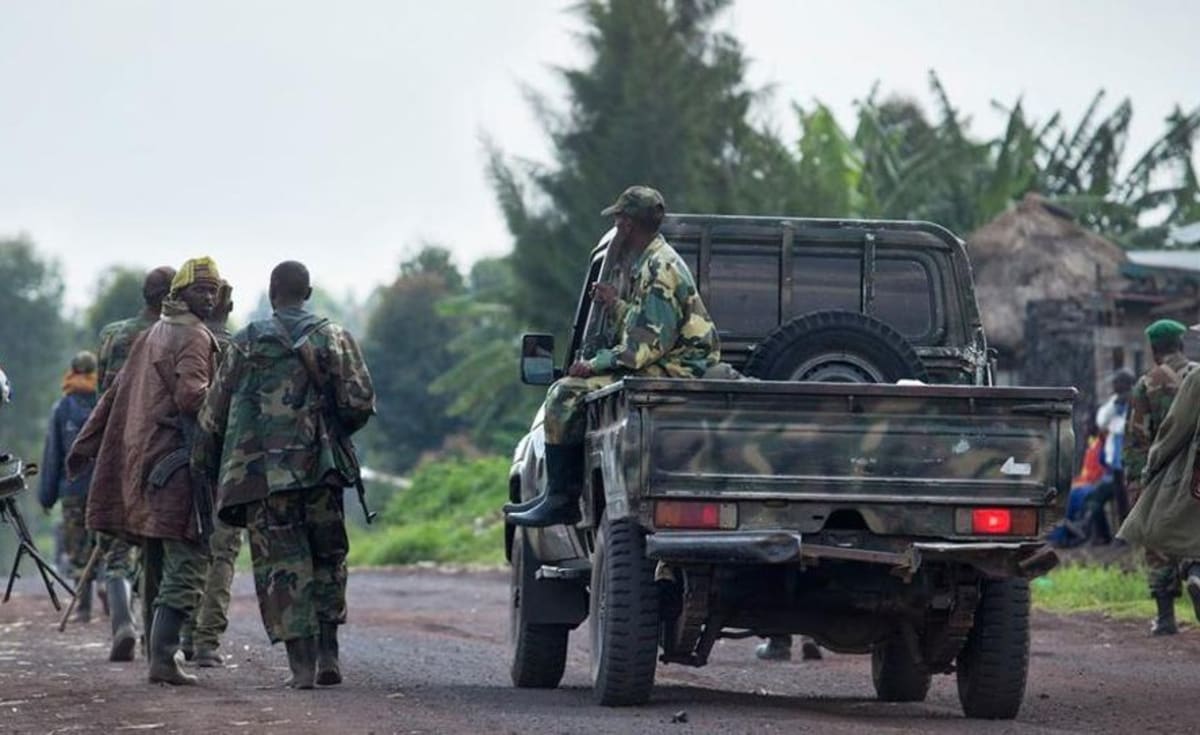
The Democratic Republic of Congo and M23 rebels agreed on concrete steps toward peace after months of fighting that displaced thousands. International mediators helped both sides commit to ceasefire monitoring and a clear timeline for negotiations.
Two groups that have been fighting in eastern Congo just agreed on something important: how to actually build peace together.
The Democratic Republic of Congo and the M23 rebel group spent five days in Switzerland this August hammering out a roadmap for peace talks. After months of stalled negotiations and continued violence, both sides committed to specific next steps under an international framework brokered in Doha, Qatar.
The agreement tackles one of the biggest obstacles to lasting peace: figuring out who breaks ceasefires. Both parties agreed on a standardized way to report alleged violations, which diplomats say helps rebuild trust between enemies. They also set up a mechanism to track whether promises are actually being kept.
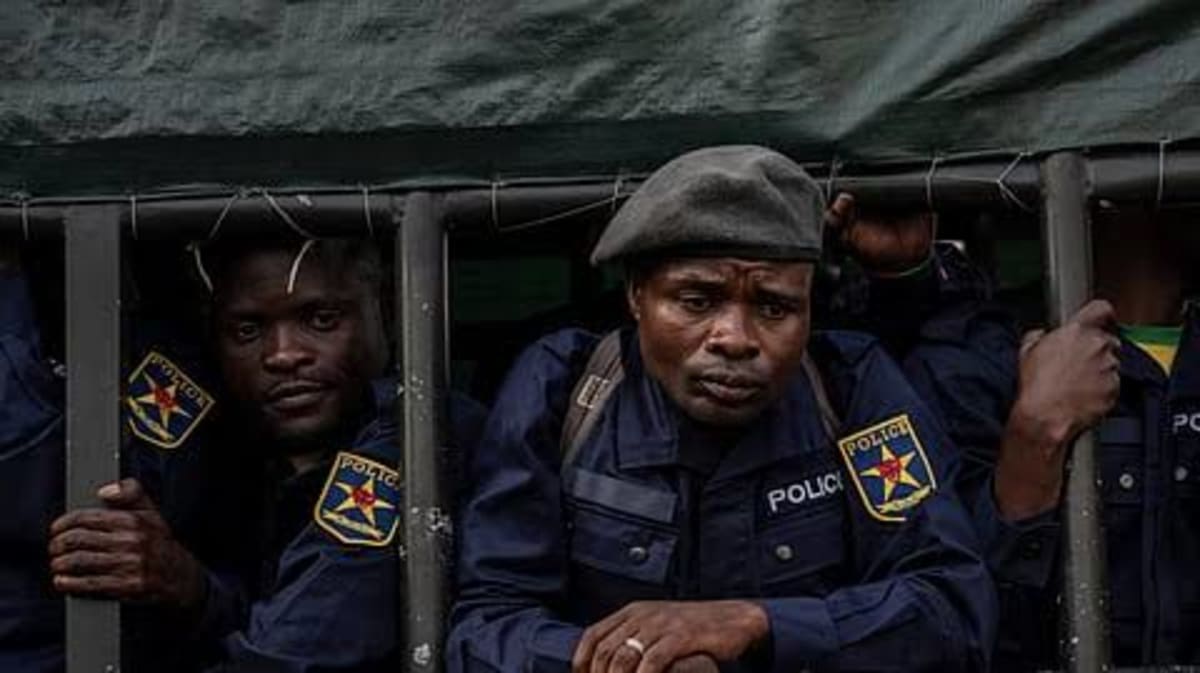
The first test comes quickly. A ceasefire verification mission is scheduled for Minembwe in South Kivu province, where monitors will investigate reports from the ground.
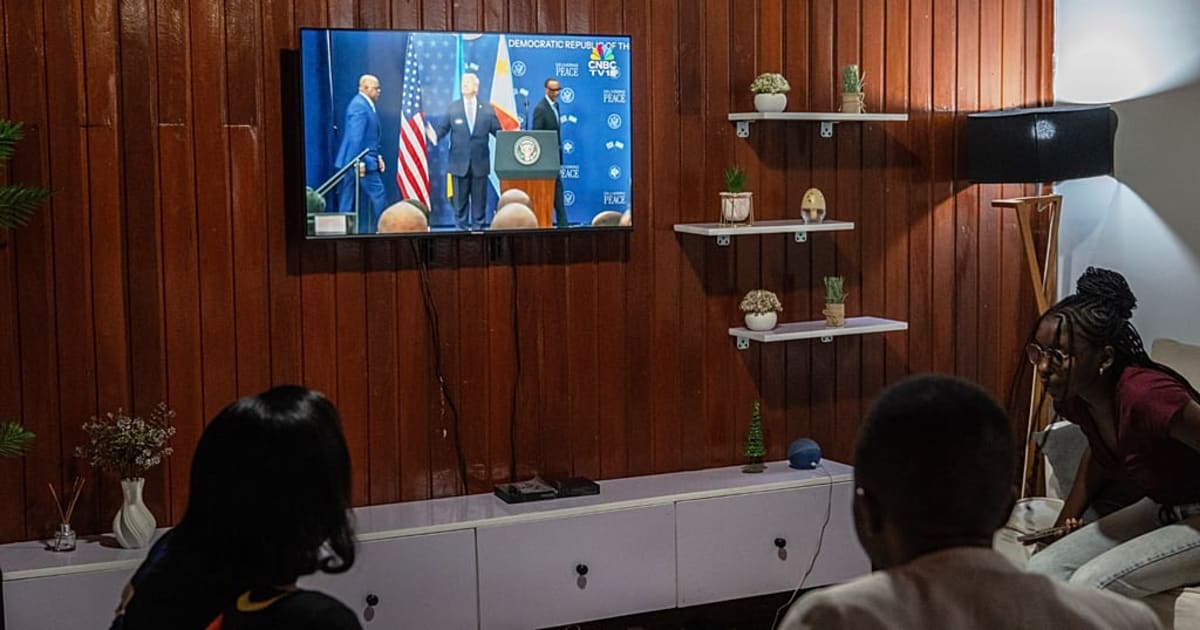
Switzerland, Qatar, Togo, the African Union, and the United States all played roles in supporting the negotiations. Massad Boulos, a senior adviser to President Trump, said he was encouraged by the results and reaffirmed American support for peace in the region.
The Ripple Effect
This progress matters for millions of people. The conflict in eastern Congo has forced huge numbers of families from their homes and destabilized the entire Great Lakes region of Africa. When diplomats make progress on paper, it creates space for humanitarian aid to reach people who desperately need it.
The ceasefire monitoring system gives both sides a way to air grievances without picking up weapons. International observers can now verify claims and hold parties accountable, which makes future violations harder to hide or deny.
Political analyst Christian Moleka noted that this represents real but early progress. Six more protocols still need to be signed before reaching a comprehensive peace agreement, and both sides continue protecting their interests while under pressure from mediators.
Still, having a clear structure for negotiations beats the alternative. For months, the talks had stalled completely while fighting continued. Now there's a roadmap, a timeline, and international backing to keep momentum going.
The people of eastern Congo have lived through prolonged violence and uncertainty. This diplomatic framework won't end their suffering overnight, but it gives peace a fighting chance.
More Images


Based on reporting by Google News - Peace Agreement
This story was written by BrightWire based on verified news reports.
Spread the positivity!
Share this good news with someone who needs it