Connecticut Bald Eagles Recover After Decades of Decline
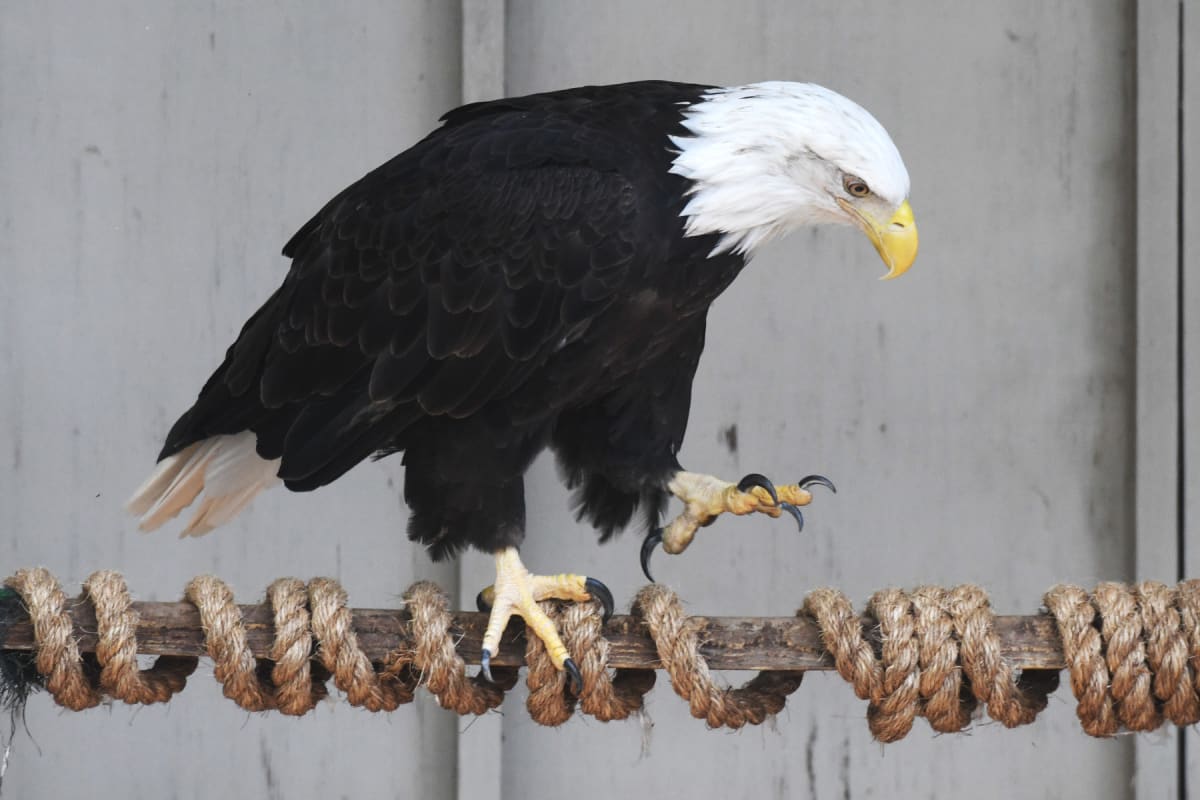
Bald eagles are thriving again in Connecticut, with 82 active territories producing over 100 chicks in 2022. The state is now moving the once-endangered bird to lower-risk status, celebrating one of conservation's greatest comeback stories.
Connecticut's bald eagles have bounced back so successfully that the state is officially lowering their at-risk status for the first time in over a decade.
The numbers tell an incredible story. In 2007, Connecticut had just 15 active bald eagle territories. By 2022, that number had soared to 82 territories producing 101 chicks.
The Connecticut Department of Energy and Environmental Protection is now proposing to move bald eagles from "threatened" to "special concern" status. The change reflects years of conservation work finally paying off in a big way.
Robin Blum, a wildlife biologist with DEEP, calls it "quite a nice success story, not just in Connecticut but nationwide." The eagle's journey from near-extinction to recovery shows what's possible when communities commit to protecting wildlife.
Bald eagles nearly disappeared in the 1960s, devastated by habitat loss, illegal hunting, and the pesticide DDT. The chemical weakened eggshells and caused widespread nesting failures across North America.
The turnaround came after the federal government banned DDT and states like Connecticut implemented strong habitat protections. Nesting buffers and seasonal trail closures gave eagles the undisturbed space they needed to raise their young successfully.
Peregrine falcons are also making a remarkable comeback. These birds of prey completely vanished from the Eastern United States by 1975, but conservation efforts have brought them back to Connecticut skies.
In 1997, a pair of peregrines nested atop Hartford's Travelers Tower and raised three chicks. Wildlife officials discovered the birds had flown from a recovery project in New York, proof that regional conservation efforts create benefits across state lines.
The American oystercatcher rounds out the trio of birds moving to lower-risk status. All three species demonstrate how targeted protection and habitat restoration can reverse even the steepest population declines.
The Ripple Effect
Connecticut's updated species list includes about 100 changes, half of which involve reclassifying animals based on their recovery or decline. The comprehensive review happens every five years, though this update was delayed by the COVID-19 pandemic.
The success stories show the power of long-term commitment. These recoveries didn't happen overnight but through decades of consistent effort by scientists, wildlife managers, and communities who refused to give up on these iconic species.
When eagles nest successfully and raise healthy chicks each year, it signals that entire ecosystems are healing. The same clean water and protected habitats that help eagles thrive also benefit countless other species and the people who share these spaces.
The transformation from 15 territories to 82 in just 15 years proves that wildlife protection works when given the chance.
Based on reporting by Google News - Endangered Species Recovery
This story was written by BrightWire based on verified news reports.
Spread the positivity!
Share this good news with someone who needs it