Construction Workers Share Recovery Stories in New Film
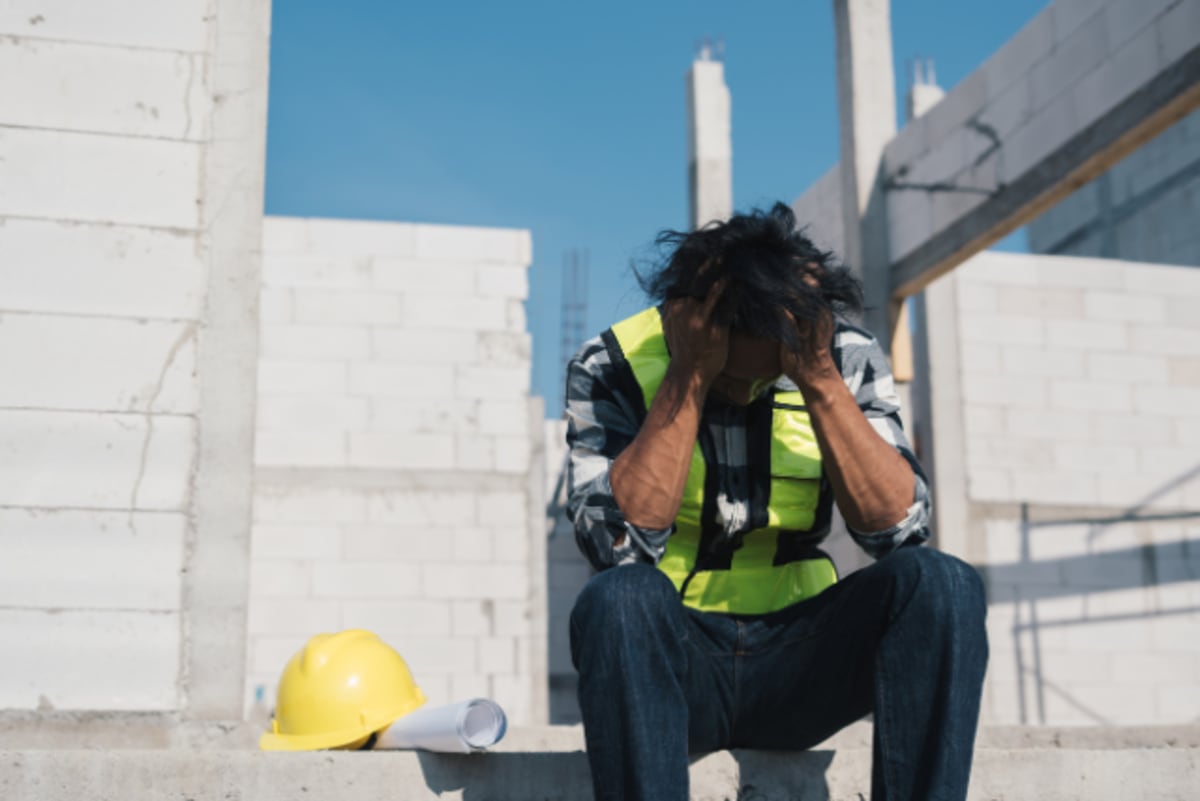
Four construction workers are opening up about addiction and mental health struggles in a groundbreaking film that's being distributed free to jobsites across North America. Their courage is helping break decades of silence in an industry where suicide and overdose deaths have reached crisis levels.
📺 Watch the full story above
For decades, the hardest part of working in construction wasn't the physical labor. It was admitting you needed help.
That's changing thanks to a new 10-minute film released in May 2026 by the Construction Industry Alliance for Suicide Prevention. "Stronger Than the Silence: The Road to Recovery Begins with a Voice" features four construction workers sharing their personal stories of addiction, suicidal thoughts, and recovery.
The film is being distributed free to jobsites across the United States and Canada, complete with a companion guide, individual story clips, and resource sheets in English and Spanish. It premiered during a CIASP webinar and is already making its way to crews who need it most.
The numbers behind this project tell a sobering story. Male construction workers died by suicide at a rate of 56.0 per 100,000 in 2021, nearly double the rate of 32.0 for all working-age men in the U.S. Carpenters, electricians, and ironworkers faced an even higher rate of 65.6 per 100,000, the highest of any occupation.
Drug overdoses paint an equally troubling picture. Construction workers die from overdoses at three times the rate of the average U.S. worker. In 2023 alone, roughly 5,000 construction workers died by suicide and nearly 16,000 died from overdoses.
Mike Dirksmeyer, a project superintendent for Turner Construction in Boston, said fear kept him silent for years. "I was afraid to be the person to raise my hand. I was afraid of losing my job. I was afraid of losing my family," he shared in the film. He's now in his sixth year of recovery.
What changed for Dirksmeyer was peer support. "I could talk to doctors, psychologists, all types of different people about what I was going through, and they would give me advice, but I wouldn't take it to heart," he explained. "I only took it to heart and made changes when I would talk to another addict, because I believed their story."
Julia Flanagan, a surveyor and operating engineer in New York City, celebrated nine years of recovery in April. "I was so wrapped up in guilt and shame. I had no freedom whatsoever," she said. "I don't live that way anymore. I'm free today."
Chris Lalevee, now a Member Assistance Program coordinator for Operating Engineers Local 825 in New Jersey, said he fought his battles alone for years. "I would have given anything for somebody to talk to that might have understood it, or at least listened," he shared. That's why he became a peer supporter.
Why This Inspires
These four workers are doing something revolutionary in construction culture. By putting their faces and voices to recovery, they're creating permission for thousands of others to seek help. Their stories prove that asking for support isn't weakness. It's the strongest thing you can do on any jobsite.
CIASP Executive Director Sonya Bohmann says it perfectly: "Recovery is absolutely within reach."
More Images


Based on reporting by Google News - Recovery Story
This story was written by BrightWire based on verified news reports.
Spread the positivity!
Share this good news with someone who needs it