Copenhagen Lab Cracks Tough Pancreatic Cancer Puzzle
A Danish research team has developed a breakthrough therapy for pancreatic cancer, one of the deadliest forms of the disease. Their work shows how university scientists are solving problems Big Pharma won't touch.
Scientists in Copenhagen are winning battles against pancreatic cancer that drug companies said couldn't be won.
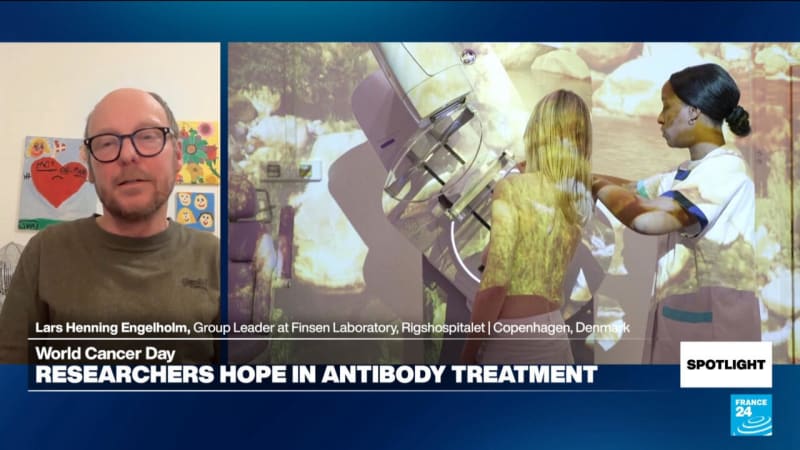
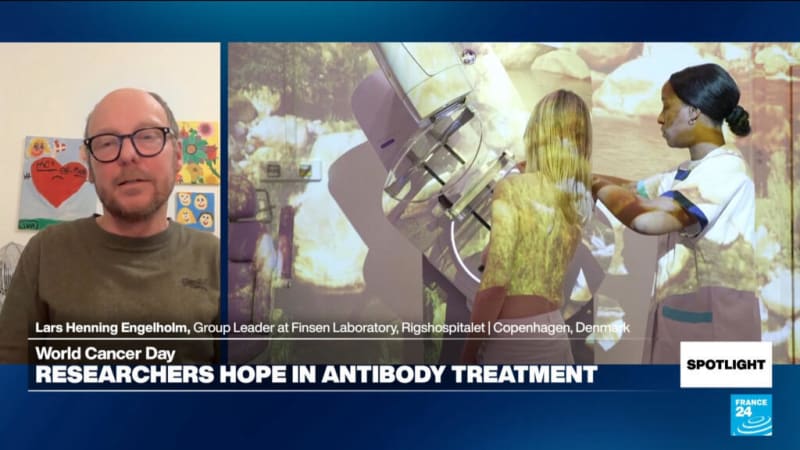
Professor Lars Henning Milman Engelholm leads a research team at the University of Copenhagen's Finsen Laboratory, where they've spent a decade cracking one of medicine's toughest puzzles. Pancreatic cancer kills faster than almost any other cancer, partly because tumors hide behind protective barriers that block traditional treatments.
Engelholm's team focused on what makes these tumors so stubborn. Cancer cells in the pancreas surround themselves with stromal cells that act like bodyguards, shielding the cancer from chemotherapy and other drugs.
The solution? Antibody-drug conjugates, or ADCs. Think of them as smart missiles that can slip past the bodyguards and strike the cancer directly. These highly targeted therapies reach places conventional treatments simply cannot.
This breakthrough took ten years of patient, methodical work. Pharmaceutical companies typically avoid research like this because the path is too uncertain and the timeline too long to guarantee profits.
Why This Inspires
Engelholm's success on World Cancer Day reveals something powerful about how medical progress actually happens. Universities and publicly funded labs tackle the hardest problems first, doing the risky groundwork that opens doors for everyone else.
His team proved that with enough time and support, even the most defensive cancers can be outsmarted. The work demonstrates that some of medicine's biggest wins come from researchers who have the freedom to think long term without shareholders demanding quick returns.
The pharmaceutical industry plays a vital role in developing and scaling treatments. But stories like this remind us that breakthrough discoveries often begin in university labs powered by public and philanthropic funding, where scientists can chase answers for years without worrying about quarterly earnings.
Engelholm's decade of dedication is now creating real treatment options for patients facing a cancer that once meant almost certain death. His approach to understanding tumor biology is opening new pathways not just for pancreatic cancer, but potentially for other hard-to-treat cancers too.
The research continues, and each step forward brings hope to families who desperately need it.
More Images

Based on reporting by France 24 English
This story was written by BrightWire based on verified news reports.
Spread the positivity!
Share this good news with someone who needs it