Cornell Students Help NASA Make Drone Highways in the Sky
Cornell students are solving one of NASA's biggest challenges: how to safely manage thousands of drones flying together in crowded skies. Their breakthrough approach teaches drones to avoid collisions on their own, just like cars navigate roads.
A team of Cornell University students just cracked a problem that's been stumping aviation experts for years, and it could transform everything from pizza delivery to disaster response.
The students are developing a traffic management system that would let thousands of drones safely share the skies without human operators constantly steering them away from crashes. NASA loved their approach so much that the agency awarded them a grant through its University Student Research Challenge to keep developing the technology.
Right now, drone operators must file detailed flight plans and coordinate every movement with air traffic control. It's like calling every other driver on the road before you back out of your driveway. That system simply can't handle the explosion of drones expected in coming years.
Mehrnaz Sabet, a doctoral student leading the Cornell team, had a better idea. She wondered: why not let drones operate like cars on a highway?
"We need to ensure all these different types of drones can tactically deconflict with each other so that it is safe for them to operate like cars do on the ground," Sabet explained. Drivers know their destination but adapt to traffic as they go, following road rules and reacting to stop lights.
The students faced a tricky testing problem. They couldn't actually fly 100 drones at once to test their system. So they got creative.
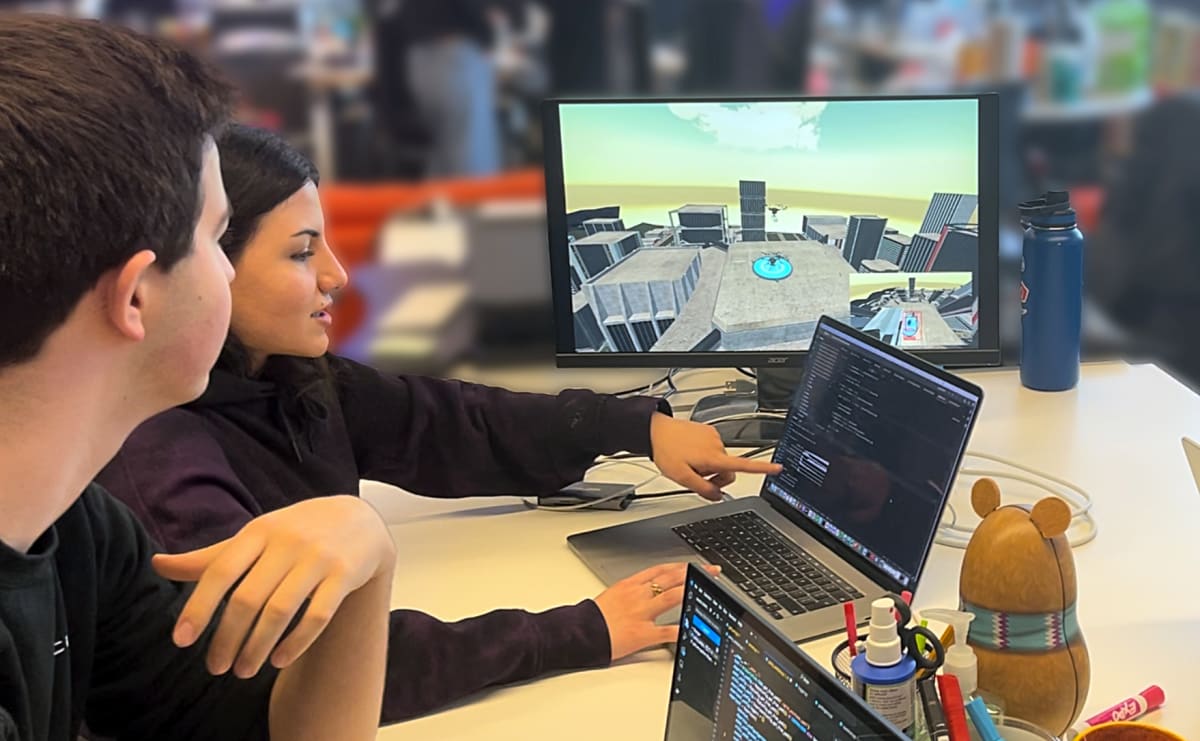
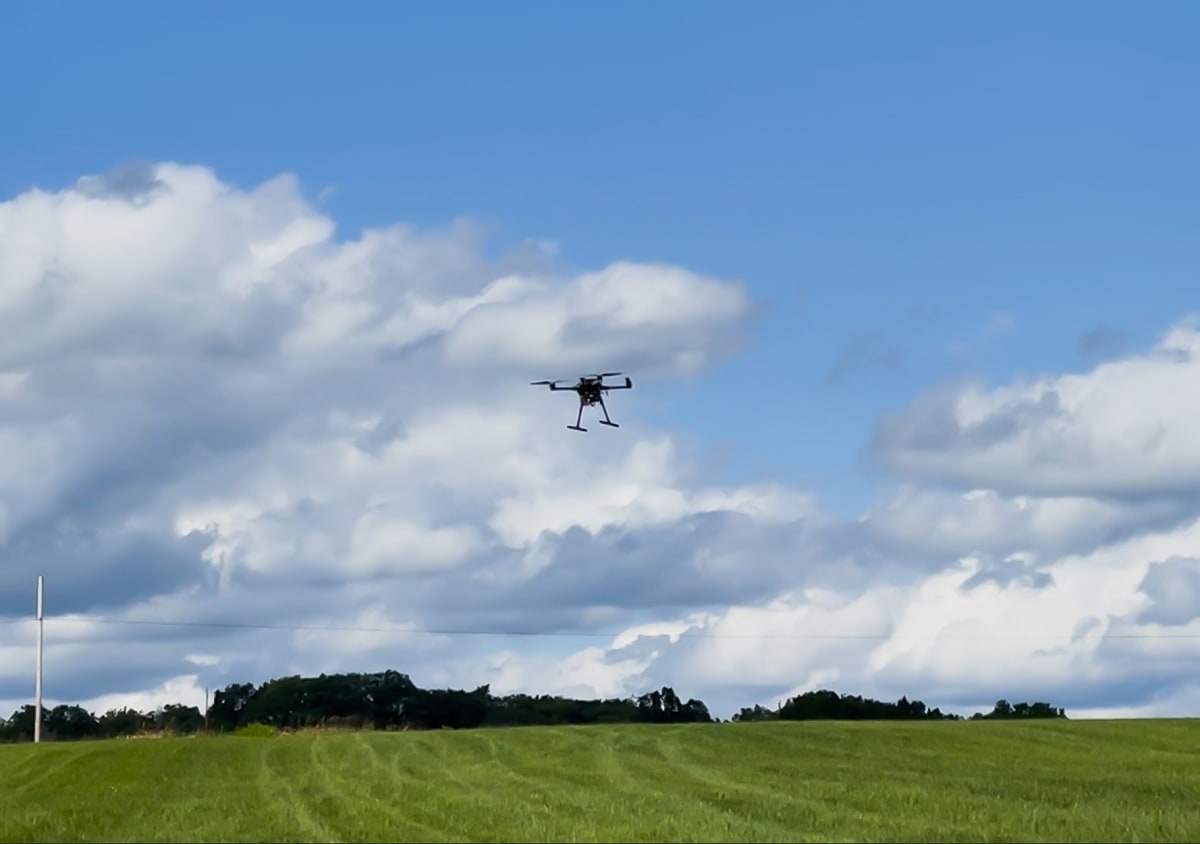
They built a virtual city filled with imaginary drones, then programmed a real drone flying over an empty field to think it was navigating that crowded urban airspace. The drone believed it was dodging obstacles and other aircraft, learning to make split-second decisions on its own.
The Ripple Effect
This research matters far beyond Cornell's test field. Advanced air mobility could bring flying taxis to cities, speed life-saving supplies to disaster zones, and make drone delivery as common as seeing a mail truck.
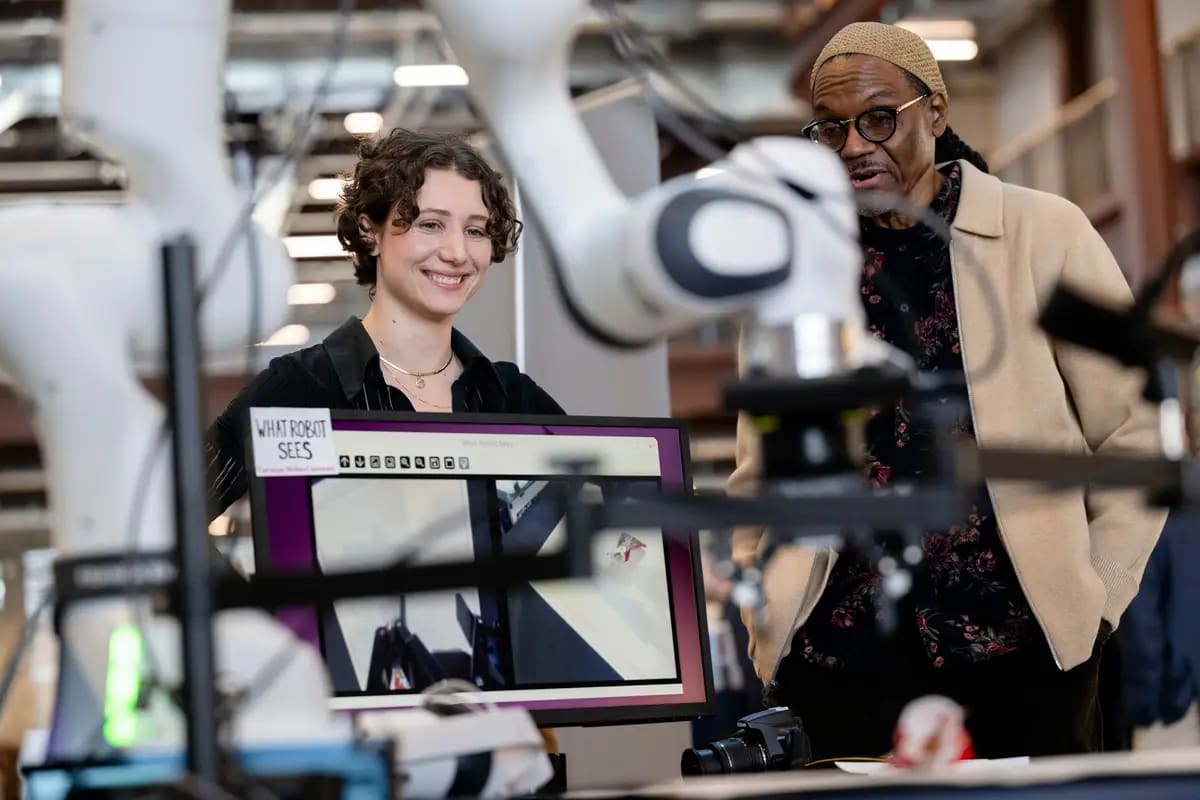
NASA's Parimal Koperdekar praised the team for demonstrating skills in software, algorithms, hardware development, and flight testing. That combination is rare even among seasoned professionals, let alone college students.
The students are proving that sometimes the freshest solutions come from people who haven't yet learned what's supposed to be impossible.
Their work shows a future where the skies are as safely navigable as our highways, opening doors we're just beginning to imagine.
More Images


Based on reporting by NASA
This story was written by BrightWire based on verified news reports.
Spread the positivity!
Share this good news with someone who needs it