Cornell's Blockchain Tool Stops Carbon Credit Cheating
Cornell engineers built a tamper-proof digital system that prevents companies from faking their climate progress. The platform could finally make carbon credits trustworthy.
When companies promise to cut emissions, there's been one big problem: nobody could guarantee they were telling the truth.
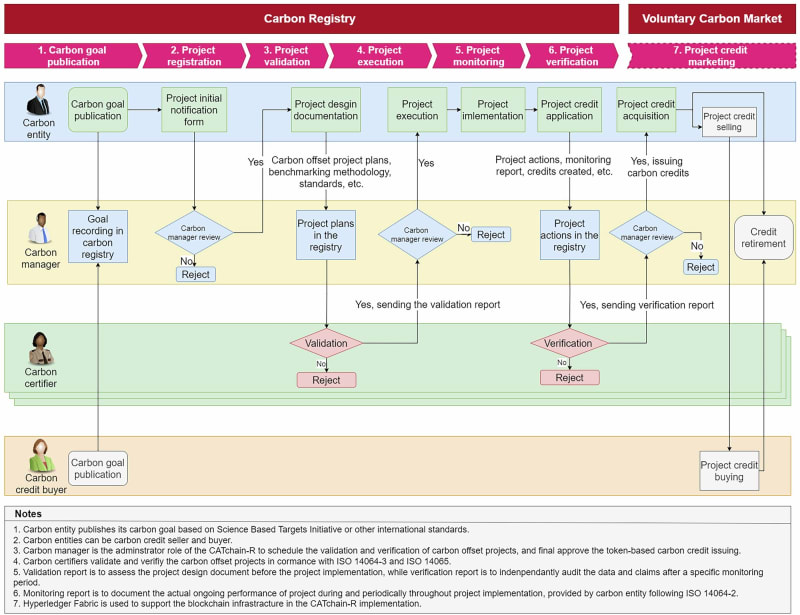
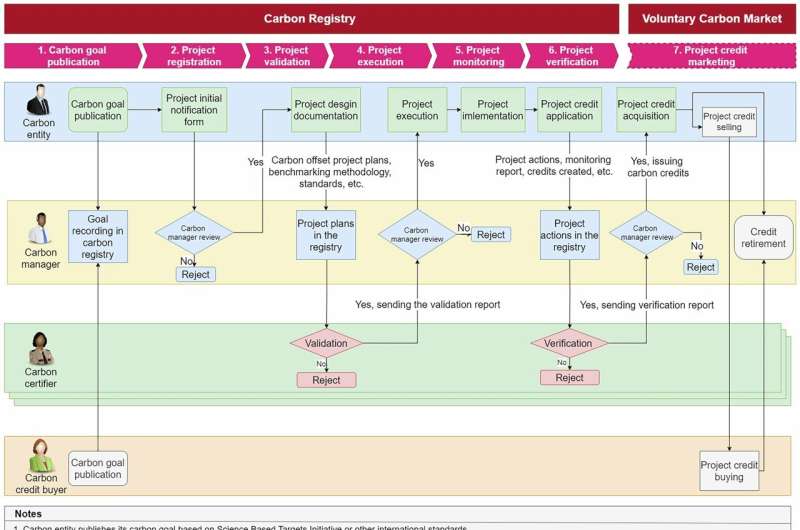
Cornell University researchers just launched a solution that could change everything. Their new blockchain platform, CATchain-R, creates an unchangeable digital record of every climate commitment, verification report, and carbon credit, making it nearly impossible to cheat the system.
Carbon registries track emissions reductions and issue credits that companies can buy and sell. But until now, weak oversight has allowed double counting, conflicts of interest, and misleading environmental claims to slip through.
"If you can't measure something in a credible, consistent way, you can't improve it," said Professor H. Oliver Gao from Cornell's College of Engineering. "That problem is especially serious for climate action, where trust and credibility really matter."
The platform works like a shared digital ledger that time-stamps every entry permanently. Once information gets approved and added, nobody can alter it, creating a traceable record that auditors can review anytime.
What makes CATchain-R different is how it separates project developers from the people verifying their work. The system uses automated contracts and registry-selected auditors, eliminating the cozy relationships that have undermined other registries.
The platform also introduces something new: a carbon credibility rating. Just like credit scores measure financial responsibility, this index compares what organizations promise against what they actually deliver, then assigns them a public rating.
The Ripple Effect
The researchers tested their system on New York City's transportation sector, modeling emissions from 2005 through 2050. Their findings showed that cities following strong climate pathways could meet their targets without buying questionable external credits.
The transportation sector was chosen first because measuring emissions from planes, trains, trucks, and cars has always been especially challenging. But the platform could expand to any industry trying to prove its climate commitments are real.
"The goal is to incentivize organizations to become better actors," Gao explained. "Rather than making promises and failing to deliver, the system encourages them to improve their credibility over time."
The research, published in the journal npj Climate Action, comes as governments and companies worldwide race to meet net-zero pledges. With billions of dollars flowing into carbon markets, the stakes for getting verification right have never been higher.
For anyone who's doubted whether corporate climate promises mean anything, this blockchain solution offers something rare: a way to hold everyone accountable without relying on anyone's word alone.
More Images
Based on reporting by Phys.org
This story was written by BrightWire based on verified news reports.
Spread the positivity!
Share this good news with someone who needs it