Cornwall Art Show Celebrates Moths' Climate Adaptation
A new exhibition in Cornwall showcases how moths evolved through pollution and back again, proving nature's remarkable resilience. Artist Sarah Gillespie captures these survival stories in stunning prints running through September.
Nature just proved it can adapt faster than we thought, and an art exhibition in Cornwall is celebrating one of evolution's most inspiring comeback stories.
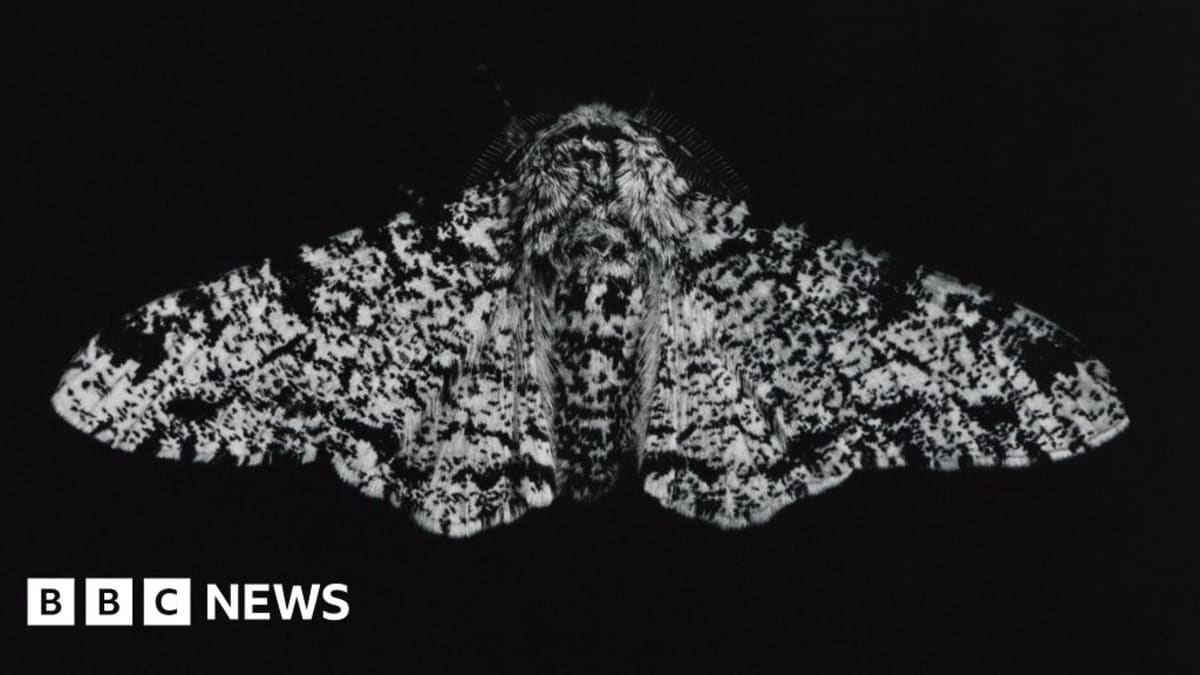
Artist Sarah Gillespie has opened a show at Kestle Barton gallery featuring mezzotint prints of moths that survived the Industrial Revolution by literally changing their colors. The exhibition runs from June 20 through September 6, telling a story of resilience that took over a century to unfold.
The star of the show is the peppered moth, which developed darker wings to blend in with soot-covered buildings during the Industrial Revolution. When factories blackened the landscape with pollution, light-colored moths became easy targets for predators, so darker moths survived and passed on their genes.
Then something remarkable happened. After clean air laws reduced pollution starting in the 1960s, the moths gradually returned to their original lighter coloring within just a few generations.
Gillespie said she's been fascinated by moth wing patterns for years, but the work reflects something deeper. "Nature always has liked 'to be hid' but what is left now, it really must hide," she explained, noting how habitat destruction and pesticides force wildlife into hiding.
The Bright Side
This exhibition arrives at the perfect moment. While Gillespie acknowledges the challenges moths face today, her work celebrates their proven ability to bounce back from environmental disaster.
The peppered moth story remains one of the clearest examples scientists have of evolution happening in real time. It shows that when humans reduce pollution and protect habitats, nature responds quickly.
Gillespie created the prints using moths she humanely captured and released, ensuring no harm came to her subjects. Her technique captures the intricate camouflage patterns that have helped moths survive for millions of years.
The exhibition shows more than beautiful art. It's evidence that environmental recovery is possible when we take action, wrapped in the delicate wings of creatures small enough to sit on your fingertip.
More Images
Based on reporting by BBC Science
This story was written by BrightWire based on verified news reports.
Spread the positivity!
Share this good news with someone who needs it