Costa Rica Community Brings Endangered Pigs Back From 50 to 350
A small community monitoring group in Costa Rica spent nearly a decade patiently tracking and protecting white-lipped peccaries, growing the population sevenfold. Their success story faces new challenges, but authorities are now investigating poachers and ramping up enforcement.
A decade of quiet conservation work on Costa Rica's Osa Peninsula just proved that local communities can save species from the brink of extinction.
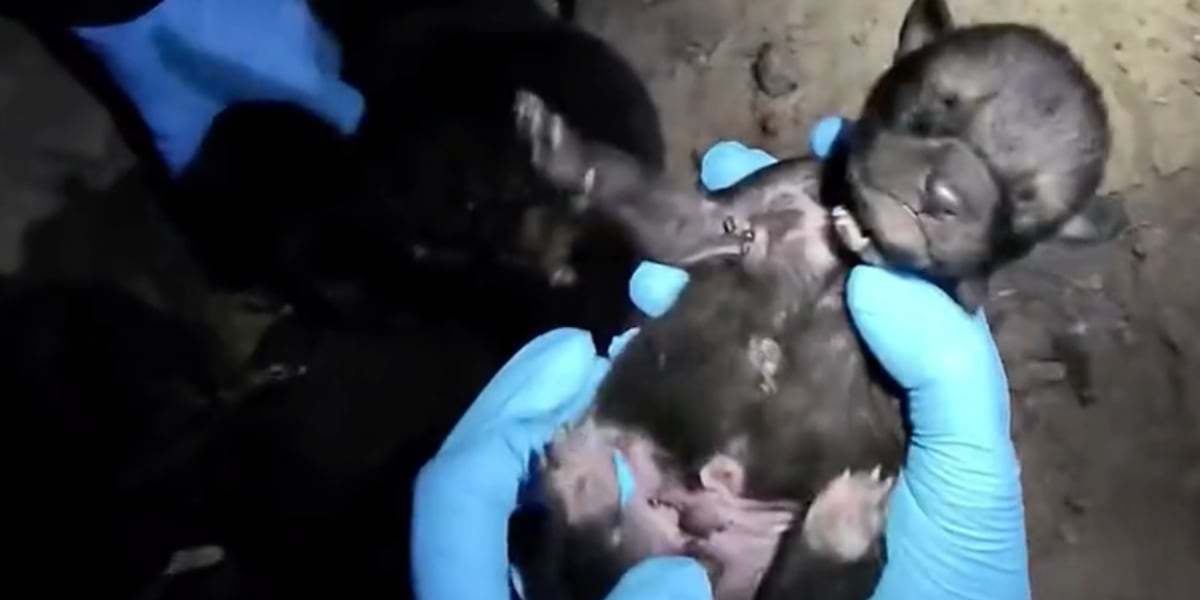
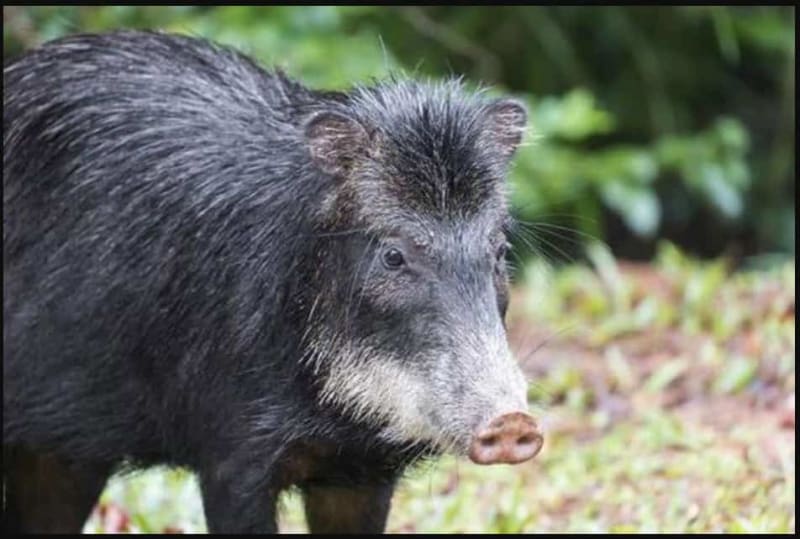
The Rancho Quemado Community Biological Monitoring group has been tracking white-lipped peccaries since 2015, watching the endangered wild pig population explode from just 50 individuals to 350. These social mammals travel in massive herds and play a crucial role in forest health by dispersing seeds, aerating soil, and protecting water sources.
But last Wednesday brought devastating news. The group discovered ten peccary carcasses inside the Golfo Dulce Forest Reserve, with nine adults and one juvenile killed by illegal hunters. The incident marked the first mass killing since 2008, threatening years of patient conservation work.
Costa Rica's response was swift. The Agrarian and Environmental Deputy Prosecutor's Office launched raids on three suspects Friday, seizing meat believed to come from the animals. Authorities are investigating hunters who allegedly killed nine peccaries on January 14 after finding heads and skins on private property in the Vanegas community.
The community group isn't backing down. They're pushing the National System of Conservation Areas to add more park rangers to the area, noting that just two rangers currently protect 149,500 hectares of forest. That's roughly the size of 280,000 football fields watched by a skeleton crew.
White-lipped peccaries matter beyond their own survival. Jaguars hunt them for food. Forests depend on them for regeneration. Costa Rica's tourism economy relies on the biodiversity they help maintain. When poachers kill these animals for meat and trophies, they damage an entire ecosystem.
The Ripple Effect
The Rancho Quemado group shows what's possible when locals take ownership of conservation. Their monitoring efforts didn't just track animal numbers. They created a system that protects forests, supports predators, and maintains the natural cycles that keep ecosystems healthy.
Their sevenfold population increase over nine years represents real, measurable progress in a world where wildlife populations are shrinking. Other communities facing similar challenges now have a working model to follow.
Costa Rican officials are treating this case seriously, emphasizing that illegal hunting threatens both environmental health and the country's reputation as an ecotourism destination. The investigation continues as authorities work to identify all suspects involved in the recent killings.
The Rancho Quemado group's work continues too, proving that dedicated communities can still turn the tide for endangered species.
More Images


Based on reporting by Tico Times Costa Rica
This story was written by BrightWire based on verified news reports.
Spread the positivity!
Share this good news with someone who needs it