Costa Rica Film Tackles Monkey Electrocution Crisis
A new documentary is giving voice to Costa Rica's howler monkeys, whose populations are plummeting due to electrocutions from uninsulated power lines. The film aims to transform policy and save a species losing 80% of electrocution victims.
📺 Watch the full story above
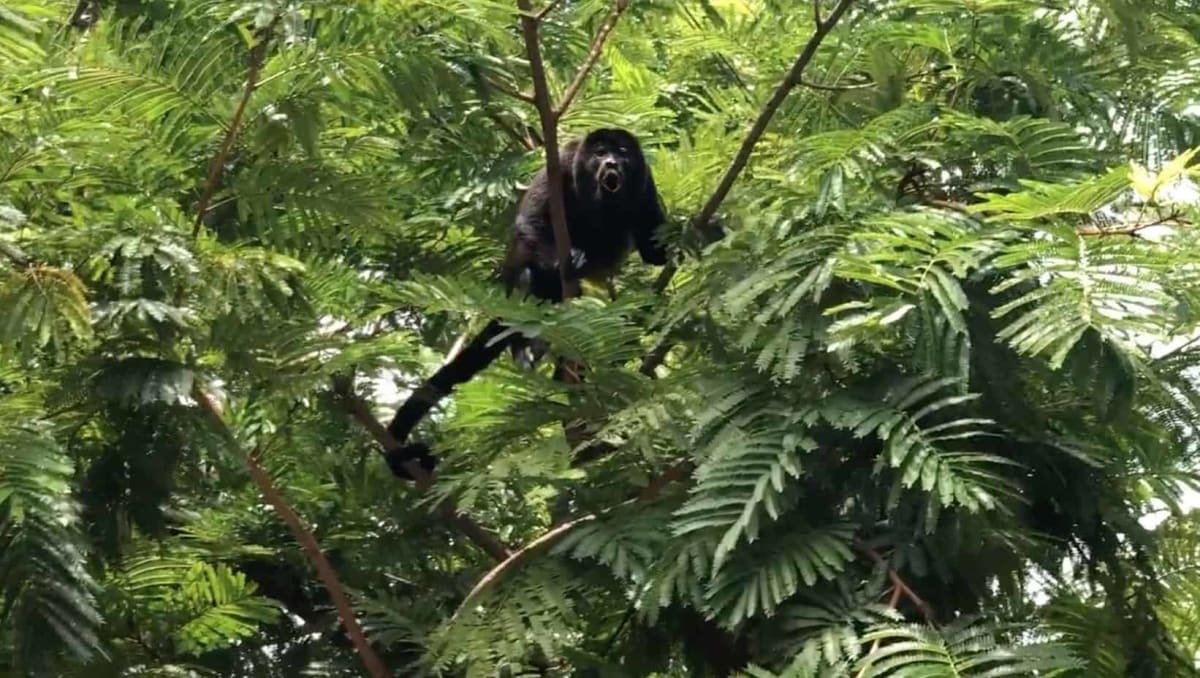
Deep in Costa Rica's jungles, a roar that once echoed for five kilometers is growing quieter every day. The mantled howler monkey, with its distinctive black fur and powerful voice, is dying at an alarming rate from electrical wire electrocutions.
The Last Howl (El Último Aullido) is a 52-minute documentary nearing completion that tells the urgent story of this crisis. The film follows scientists, veterinarians, and advocates racing to save these iconic primates before Costa Rica records one electrocution death per day.
The problem is devastatingly simple. As coastal development fragments forest habitats in places like Guanacaste, monkeys must cross wider gaps between trees. They use power lines as bridges, but when they touch both a live wire and grounded cable simultaneously, the results are catastrophic.
Dr. Martha Cordero, lead veterinarian at Las Pumas Wildlife Rescue Center, treats the survivors who arrive with severe burns and amputations. Most don't make it. The NGO SalveMonos estimates 80% of electrocuted monkeys die from their injuries.
Director Lucas Zañartu Bravo centers the film around three key figures. Dr. Oscar Chaves studies howler behavior in the wild. Inés Azofeifa from SalveMonos has documented electrocutions for a decade. Environmental lawyer Laura Jiménez examines whether Costa Rica's wildlife protection laws are actually being enforced where infrastructure and biodiversity collide.
The documentary also features community voices like Natalia García Fallas from Lagartillo, highlighting how this has become more than a conservation issue. It's about what Costa Rica's celebrated environmental reputation truly means when tested by rapid development and tourism expansion.
The Ripple Effect
This crisis hits hardest in Guanacaste, where foreign investment and luxury tourism have brought new electrical infrastructure into monkey habitat. The film focuses on Punta Cacique and its electrical substation, a flashpoint in the conflict between development and survival.
But the documentary isn't just about documenting tragedy. Impact films like this are designed as tools for policy change. The production team aims to transform how Costa Rica's government and communities approach the intersection of wildlife and infrastructure.
The solution exists. Insulated power lines and wildlife bridges could prevent these deaths. What's missing is the political will to prioritize implementation in rapidly developing areas.
With the film about 80% through its first cut, a festival run and wider release are approaching. The team is preparing to use the finished documentary in active policy advocacy, giving the howler monkey's story a voice loud enough to reach decision-makers who can change its fate.
The howler monkeys have been watching humans expand into their territory for decades—now humans have a chance to watch back and finally listen.
More Images




Based on reporting by Tico Times Costa Rica
This story was written by BrightWire based on verified news reports.
Spread the positivity!
Share this good news with someone who needs it