Costa Rica Funds $800M Electric Train for Central Valley
Costa Rica just cleared the final funding hurdle for a 51-kilometer electric train that could carry 100,000 passengers daily across its most congested cities. The long-awaited project finally has a budget, a timeline, and a chance to transform how millions of people move through their daily lives.
After years of traffic jams and broken promises, Costa Rica's Central Valley is finally getting the electric train it has needed for decades.
The Legislative Assembly unanimously approved $800 million in financing this week to build a 51-kilometer electric railway connecting Paraíso de Cartago, San José, and Alajuela. All 56 lawmakers present voted yes, turning a campaign talking point into a funded reality with trains expected to start running by 2031.
The system will serve the heart of Costa Rica's metropolitan area, where daily congestion between Cartago, San José, Heredia, and Alajuela has become one of the biggest frustrations for workers and students. Once complete, trains will run every 10 minutes and could carry more than 100,000 passengers each day through the country's most populated corridor.
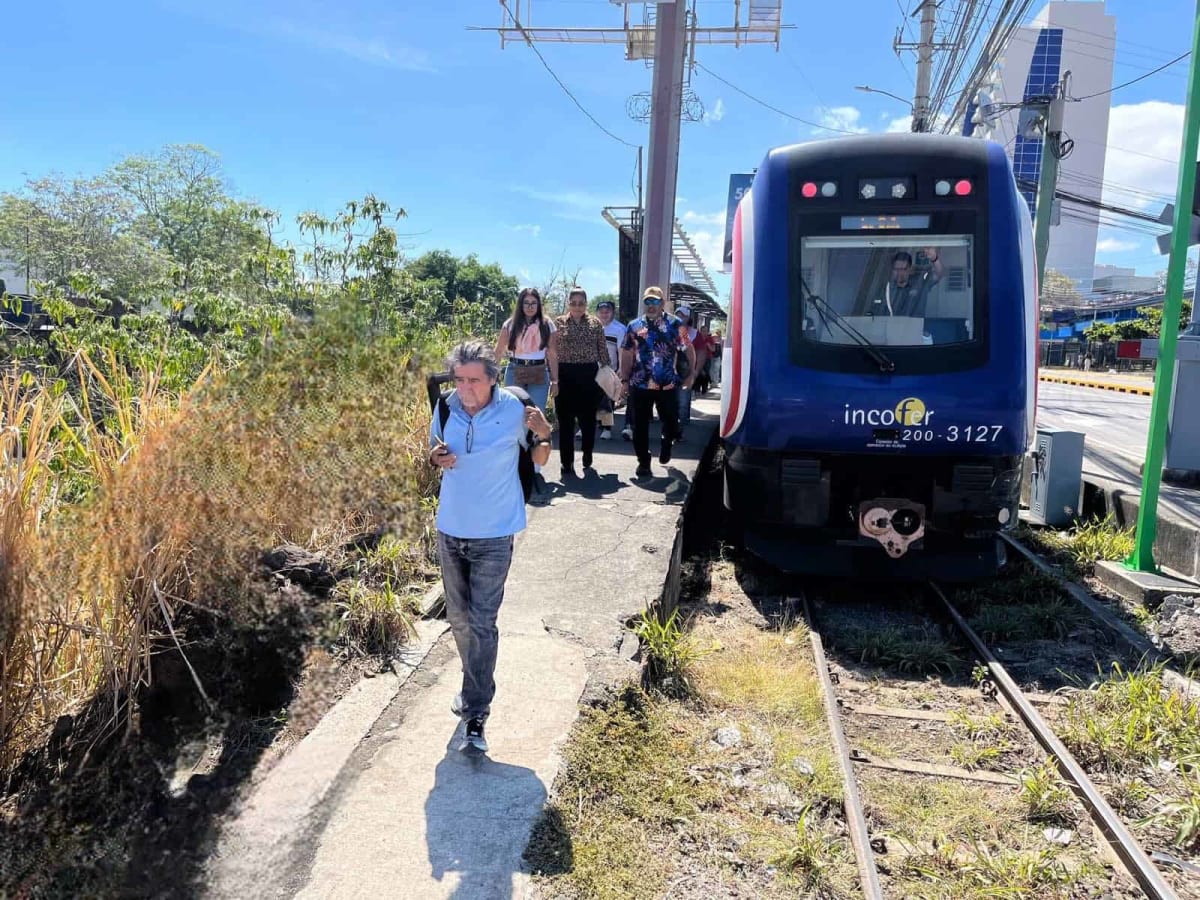
The project includes 30 stations, two terminals, 28 electric train units, and completely rebuilt tracks to replace infrastructure that has been in use for decades. The financing comes from the Central American Bank for Economic Integration ($550 million), the European Investment Bank ($250 million), and the Green Climate Fund.
Construction priorities start with the Alajuela to San José section, followed by the San José to Cartago and Paraíso line. INCOFER, the national railway agency, expects to award contracts in 2027 and begin design and construction in 2028, with some sections possibly opening in 2030 if everything moves smoothly.
Fares are expected to average around $2, though the final price still needs regulatory approval. Because the government is covering construction costs and train purchases through the financing package, riders will mainly pay for operations and maintenance rather than the full capital investment.
The project still faces technical hurdles, including about 145 property expropriations and utility relocation work along the rail corridor. But the unanimous vote signals something rare in infrastructure politics: broad agreement that this investment is worth making.
The Ripple Effect
This isn't just about getting to work faster. An electric train system reduces carbon emissions, eases pressure on congested highways, and creates reliable transportation for people who can't afford cars or long commutes.
For a country known for environmental leadership, replacing diesel buses and private vehicles with electric rail fits perfectly with Costa Rica's climate goals. The project also demonstrates how international climate financing can fund real solutions that improve daily life while protecting the planet.
Thousands of construction jobs will follow over the next five years, and once operational, the train system will connect employment centers with residential areas in ways that weren't possible before. Students in Cartago will reach universities in San José more easily, and workers in Alajuela won't lose hours each week sitting in traffic.
Costa Rica's electric train is still years away from its first passenger, but the hardest part—securing the money and political will—is now complete.
More Images


Based on reporting by Tico Times Costa Rica
This story was written by BrightWire based on verified news reports.
Spread the positivity!
Share this good news with someone who needs it