Costa Rica Mangrove Bees Make Unique Salty Honey
Families in a Costa Rican coastal village turned a surprise bee swarm into ApiMangle, a thriving honey business that protects mangroves while creating jobs. The honey tastes slightly salty because bees draw water from the coastal ecosystem, making it unlike anything else in the country.
A swarm of bees showed up uninvited in El Establo de Pitahaya, and families in this small Puntarenas village decided to turn them into a business instead of chasing them away.
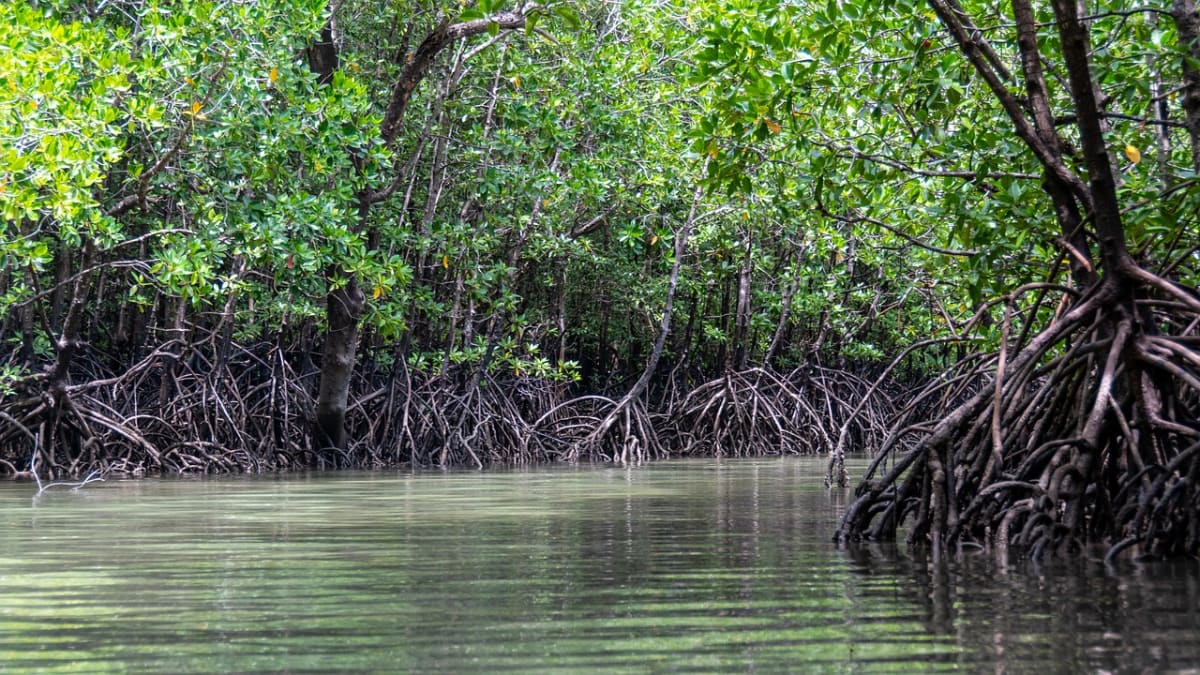
What started as eight hives has become ApiMangle, a community honey project that now supports local families while protecting the mangrove forest along Costa Rica's Pacific coast. The honey itself has become something special: bees living beside the Puntarenas mangrove draw water from the coastal ecosystem, giving the final product a slightly salty flavor you won't find in typical Costa Rican honey.
The families, who traditionally relied on fishing, sugarcane work, and occasional labor, received training in beekeeping, hive management, and tourism. They now maintain 10 hives after expanding to 15 and dealing with pests common to mangrove environments.
But ApiMangle sells more than honey. Visitors can now tour the hives, taste the unique product, and learn why mangroves matter to coastal communities through guided experiences that include environmental talks on biodiversity and climate protection.
The Ripple Effect
The project does double duty for conservation. Mangroves protect Costa Rica's coastlines from flooding, high tides, and extreme weather while capturing carbon and sheltering marine species. ApiMangle transforms that environmental value into direct income for families, proving they can earn money while keeping the ecosystem intact instead of cutting it down.
Fundación MarViva and Blue Action Fund backed the initiative as part of efforts to create sustainable income options around the Gulf of Nicoya. The model combines artisanal honey production with educational tourism, giving residents a new way to support themselves while protecting what surrounds them.
For people who've shaped their lives around the sea, cane fields, and mangrove habitat for generations, the salty honey represents something bigger than a specialty product. It's income, it's tourism, and it's proof that the families living closest to Costa Rica's protected ecosystems can benefit from keeping them healthy.
More Images




Based on reporting by Tico Times Costa Rica
This story was written by BrightWire based on verified news reports.
Spread the positivity!
Share this good news with someone who needs it