Costa Rica Rescues 5 Sloths, Tapir in Trafficking Raid
Costa Rican authorities saved five sloths, a tapir, and other wildlife from illegal trafficking operations at tourist centers. The rescue shows the country's fierce commitment to protecting its famous biodiversity.
Five sloths and a tapir are getting a second chance at life after Costa Rican authorities busted an illegal wildlife trafficking ring operating at tourist sites. The rescue sends a powerful message that profiting from wild animals won't be tolerated.
The Deputy Environmental Prosecutor's Office led six raids Thursday morning in Bijagua de Upala, a region in Costa Rica's Northern Zone. Teams stormed five facilities, including tourist centers and a private home.
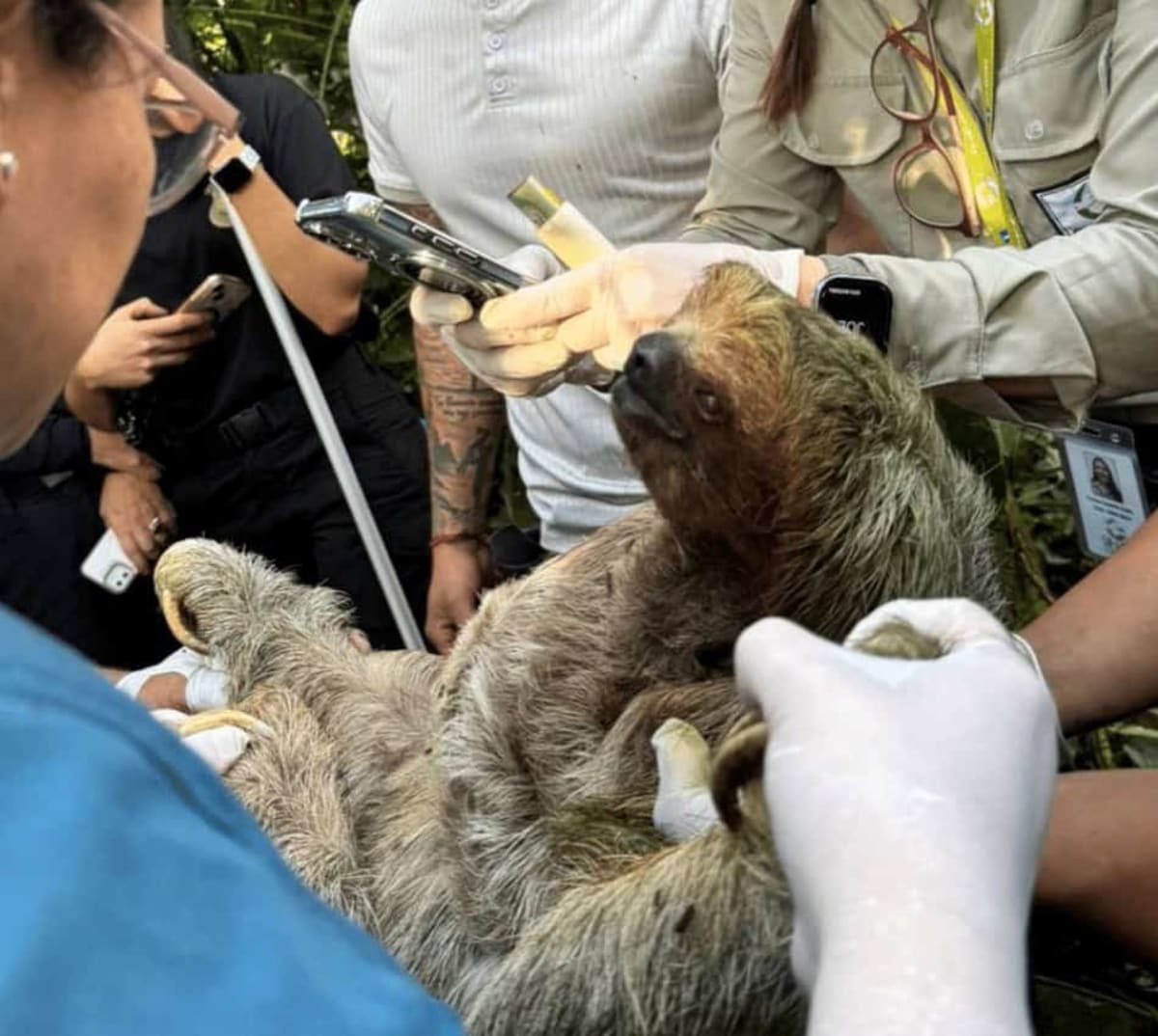
The rescued animals included three adult sloths, two baby sloths, six snakes, glass frogs, and one tapir. All are now headed to Zoo Ave, a specialized refuge and hospital in La Garita de Alajuela where veterinary specialists will evaluate their health and plan their recovery.
Biologists, veterinarians, and forest engineers from the National System of Conservation Areas worked carefully during the seizures to protect each animal. The Judicial Investigation Agency supported the operation and collected evidence to build the case against those responsible.
Prosecutors are investigating whether the facilities operated an organized system to capture, transport, hide, and display wildlife without proper permits. Evidence suggests the operation aimed to profit from tourists who wanted to see or interact with exotic animals.
The case also examines whether local vendors played a role in the trafficking network. If convicted, those involved face serious fines and imprisonment under Costa Rica's strict wildlife protection laws.
The Ripple Effect
This rescue matters far beyond saving individual animals. Sloths, tapirs, and other wildlife play essential roles in Costa Rica's ecosystems, from seed dispersal to maintaining forest health.
When animals are ripped from their habitats, the environmental balance suffers alongside their welfare. Illegal wildlife trafficking ranks as one of the most lucrative criminal enterprises globally, threatening species that took millions of years to evolve.
Costa Rica has built its reputation on environmental leadership, protecting over 25% of its land as parks and reserves. Operations like this one prove the country backs up its green image with real enforcement.
The rescued animals represent just a fraction of those caught in the illegal pet trade each year. Macaws, monkeys, reptiles, and mammals remain among the most targeted species in Costa Rica, coveted by collectors and unethical tourist operations.
Zoo Ave specializes in rehabilitating trafficked wildlife, with many animals eventually returning to protected wild areas. The facility combines emergency medical care with long-term recovery programs designed for each species' unique needs.
These five sloths and their fellow survivors now have expert care, proper food, and a chance to heal from whatever trauma they endured in captivity.
More Images




Based on reporting by Google News - Species Saved
This story was written by BrightWire based on verified news reports.
Spread the positivity!
Share this good news with someone who needs it