Costa Rica's Birdwatching Boom Lifts Rural Communities
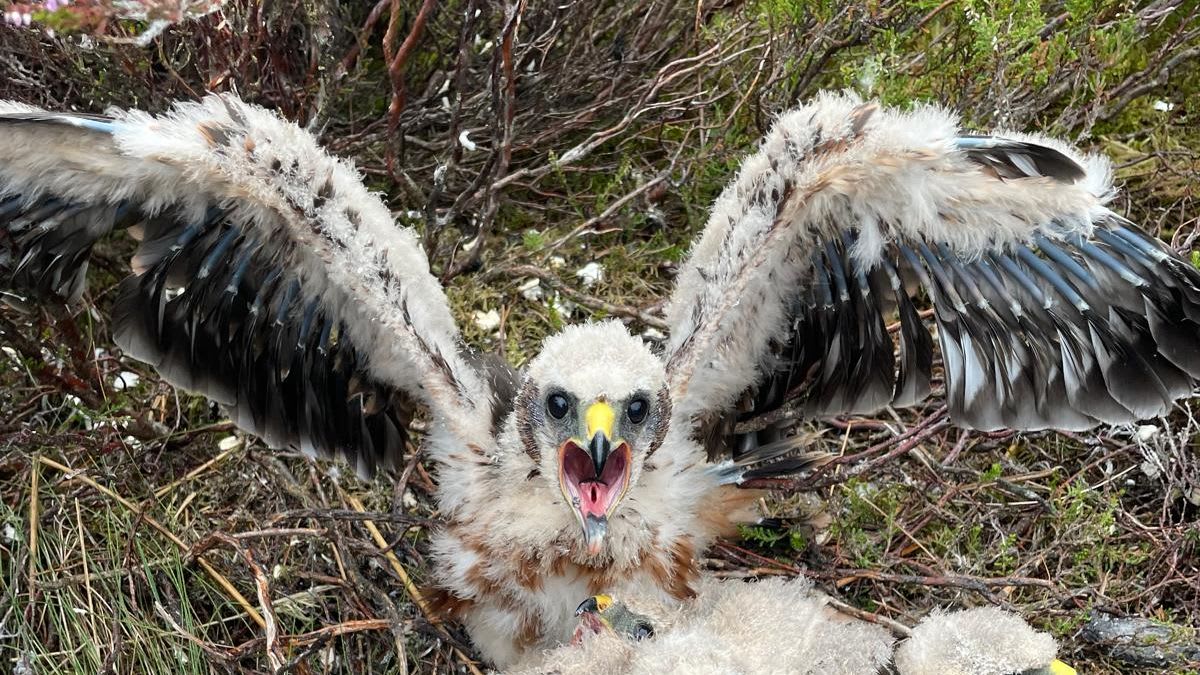
Costa Rica's birdwatching tourism is bringing more than $800 million in annual spending to rural areas, turning small farms and lodges into thriving businesses. With over 900 bird species packed into diverse ecosystems, the country is becoming a top destination for travelers seeking nature over beaches.
A small farm with intact forest in Costa Rica can now compete with beach resorts, thanks to travelers willing to wake before sunrise to spot a resplendent quetzal.
Birdwatching tourism, known as avitourism, has become one of Costa Rica's fastest-growing travel sectors. The tiny Central American nation hosts more than 900 bird species across Caribbean lowlands, cloud forests, wetlands, and highland oak forests, all reachable within short distances.
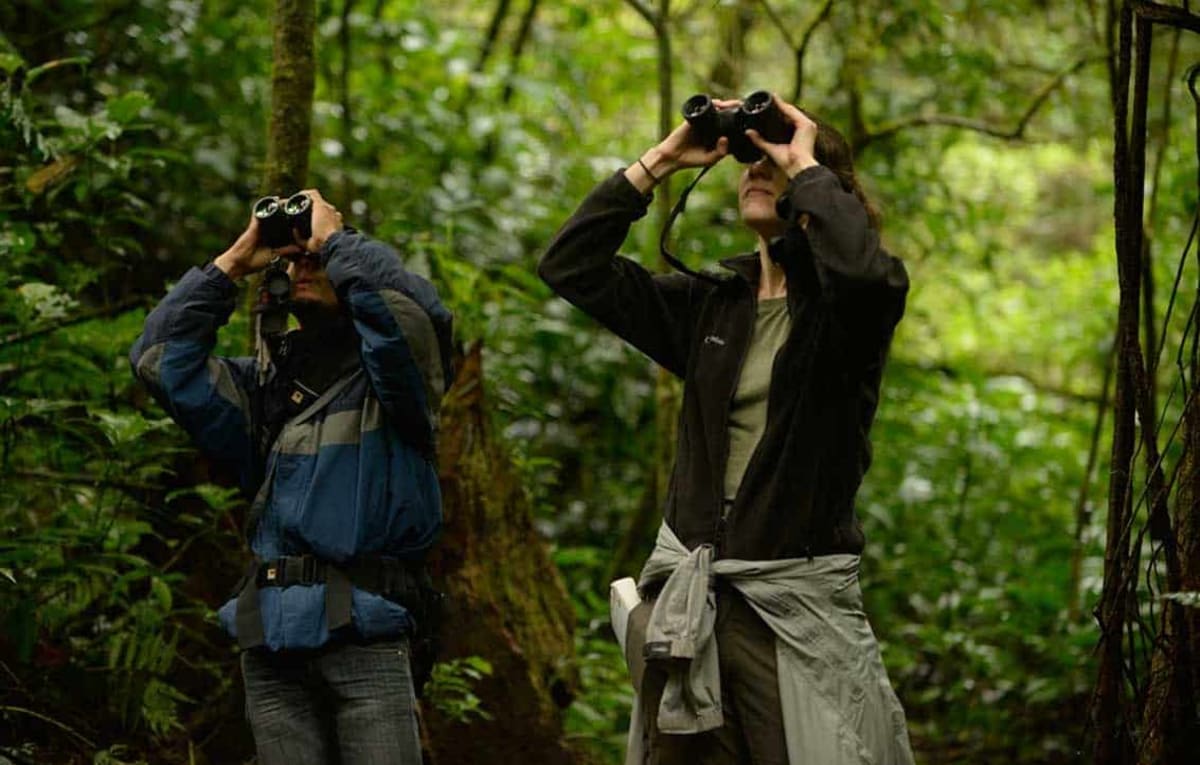
Before the pandemic, bird-related tourism generated over $800 million in linked spending annually and supported thousands of jobs. Unlike traditional beach vacations, birdwatchers spend money on specialized guides, rural lodges, private reserves, and multi-region itineraries that take them deep into smaller communities.
The Costa Rican Tourism Board now promotes a National Birdwatching Route connecting hotspots like Monteverde, Sarapiquí, Turrialba, and the Osa Peninsula. Turrialba alone has recorded more than 630 bird species, transforming the Cartago region into a premier birding destination.
What makes this growth special is who benefits. A birding trip rewards landowners who preserve forests, wetlands, and river corridors rather than clearing land for development. Small lodges and farms can sell guided walks, photography platforms, and meals without massive construction projects.
Costa Rica's competitive edge isn't just the birds themselves. Countries like Colombia, Panama, and Ecuador actually have larger species lists. Costa Rica wins on accessibility: experienced guides, protected areas, strong tourism infrastructure, and the ability to see scarlet macaws, toucans, and waterbirds all in one trip.
The Ripple Effect
This tourism shift is rewriting rural economics across Costa Rica. Communities that visitors previously bypassed now have reason to protect natural habitats instead of converting them to farmland. When a single quetzal sighting can draw paying guests to a highland lodge, conservation suddenly has clear market value.
The industry is also getting smarter about sustainability. Tour operators are adopting good-practice manuals that limit visitor numbers, restrict recorded bird calls that stress wildlife, and protect nesting areas. The goal is ensuring the resource that attracts travelers doesn't get loved to death.
Early morning walks now fund schools, support families, and keep forests standing in places like Caño Negro, Coto Brus, and Puriscal. Every sunrise tour means another landowner choosing trees over chainsaws.
The birds have always been there, but now they're pulling their weight for the people who protect them.
More Images




Based on reporting by Tico Times Costa Rica
This story was written by BrightWire based on verified news reports.
Spread the positivity!
Share this good news with someone who needs it