Countries Turn Clean Energy Plans Into Fair Jobs & Growth
Nations worldwide are proving you can fight climate change while protecting workers and communities. A new UN report shows how Poland, Colombia, Indonesia, and Canada are making the shift to clean energy work for everyone.
Countries around the world are cracking the code on how to fight climate change without leaving anyone behind.
A new United Nations Environment Programme report released Tuesday showcases real examples of nations successfully moving away from fossil fuels while creating jobs, protecting workers, and lifting up communities. This approach, called a "just transition," is shifting from a nice idea to actual policy that's changing lives.
The concept is straightforward. Think of it like replacing an old, unsafe bridge in your town. Everyone agrees you need a new one, but if people can't afford the toll or construction cuts off entire neighborhoods, you've just traded one problem for several others.
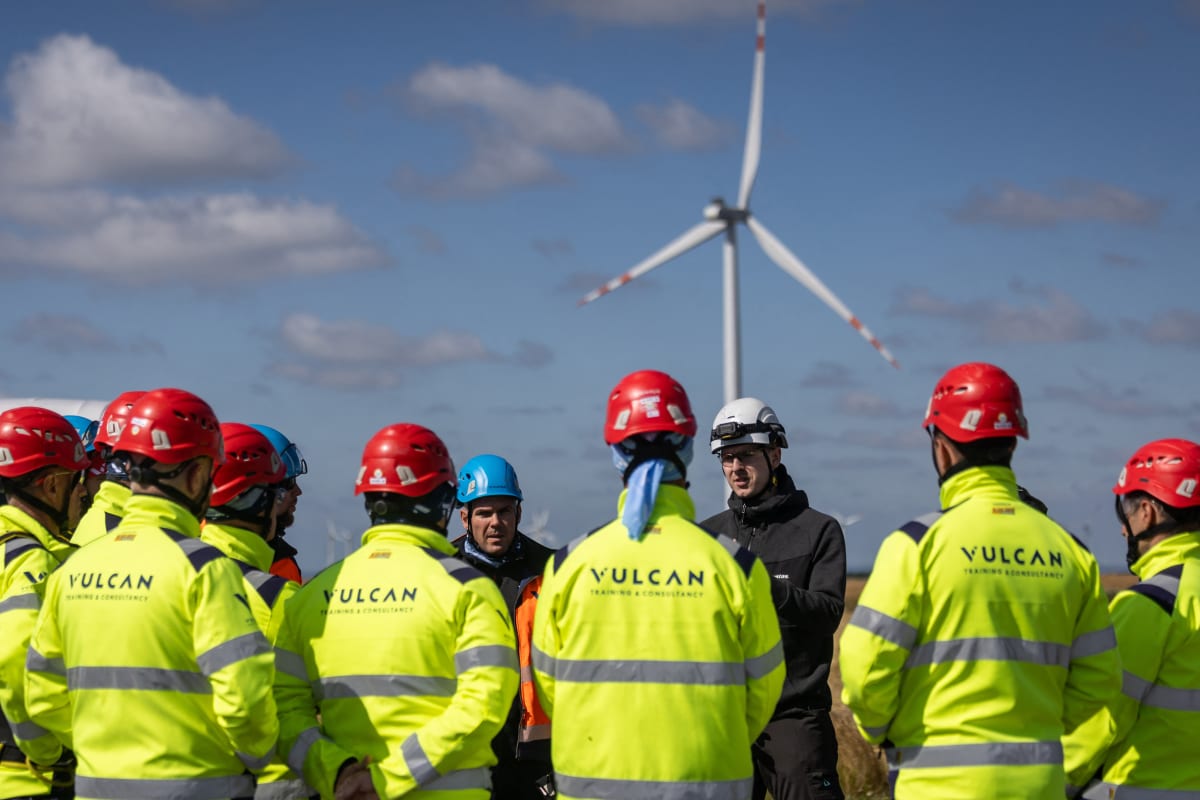
Poland offers a powerful example of this in action. The country negotiated with coal mining unions before closing mines, creating a gradual phaseout plan with job retraining and economic support for families. Communities got years, not months, to adapt to the changes.
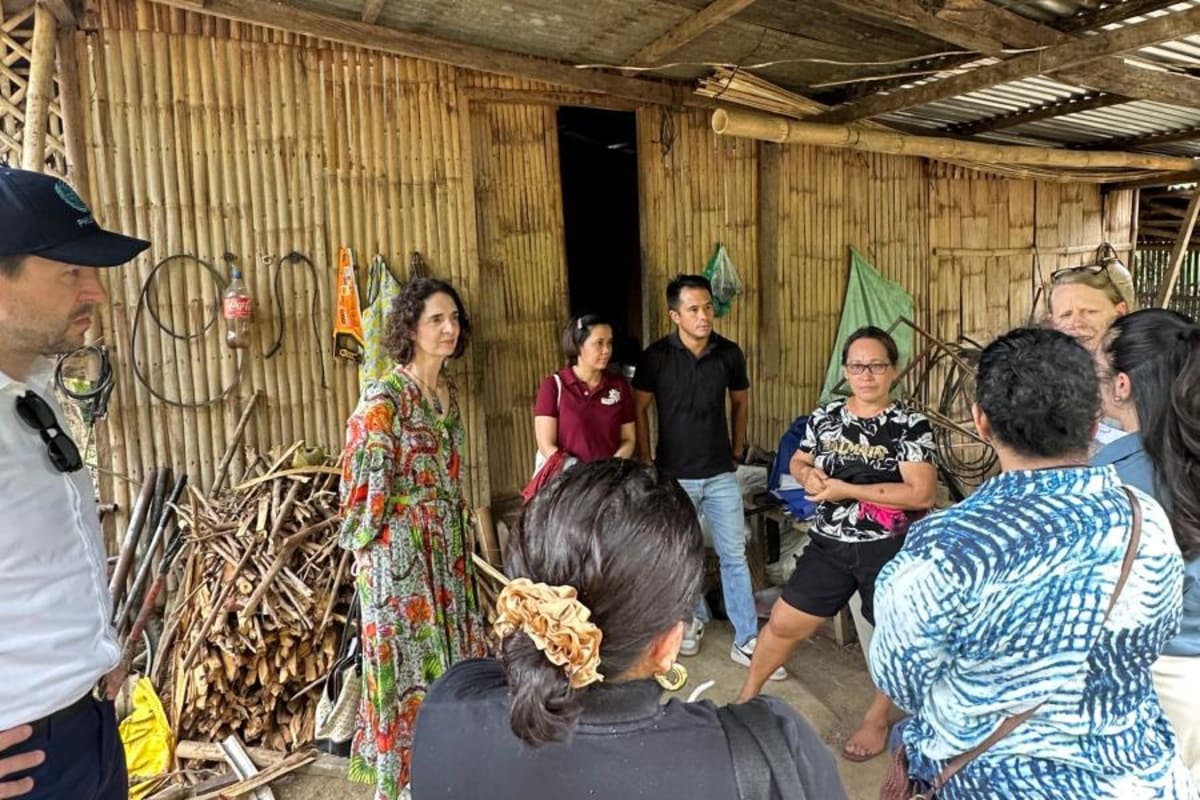
In Colombia, Indigenous and Afro-Colombian communities now own stakes in renewable energy projects and share in the revenue they generate. Indonesia is helping former coal towns rebuild their economies around tourism and local businesses. Canada backs financing that lets Indigenous communities own clean energy projects instead of just hosting them on their land.
The Ripple Effect
These policies are proving that fairness isn't just a moral choice. It's essential for making clean energy transitions actually work long term.
"The design and implementation of transition processes will determine whether there is a transition at all," said Patricia Kameri-Mbote, director of UNEP's law division. She calls it a test of governance and legitimacy.
The report identifies key ingredients for success: strong human rights protections, effective access to courts, and accountable financing. Most importantly, there's no one-size-fits-all solution. Each country must design policies that fit its unique situation.
Rachel Cleetus, senior climate and energy policy director with the Union of Concerned Scientists, says these transitions ultimately make the world fairer. They focus on what matters most: people's everyday lives, affordable energy access, and protecting vulnerable populations from worsening climate disasters.
The shift marks real progress from just ten years ago, when "just transition" was merely a broad principle tucked into the Paris Agreement. Now it's becoming concrete action backed by law and policy across continents.
Communities worldwide are showing it's possible to build a cleaner future that actually includes everyone in the benefits.
Based on reporting by Google News - Clean Energy
This story was written by BrightWire based on verified news reports.
Spread the positivity!
Share this good news with someone who needs it