Couple Bikes 3,000km, Finds Hope Along Drought-Hit Danube
Two conservationists cycled the entire length of Europe's longest river during its worst drought in years. What they discovered offers real hope for the future.
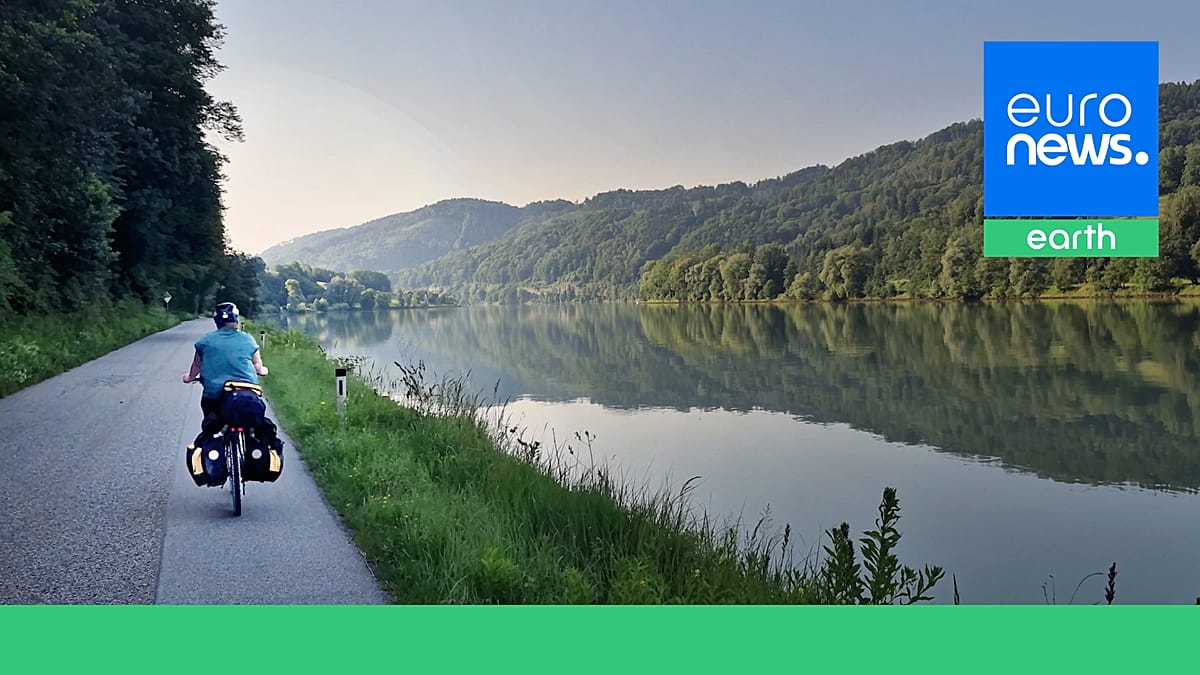
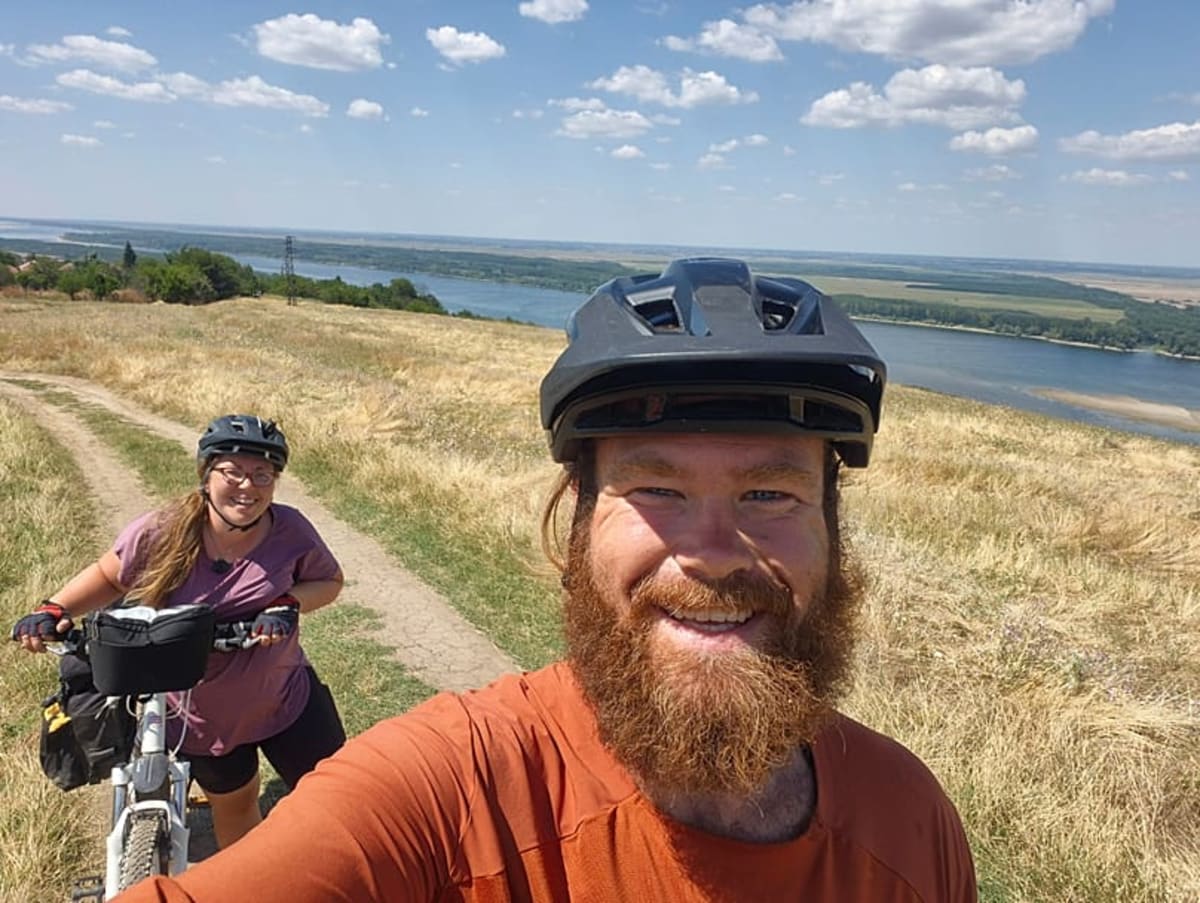
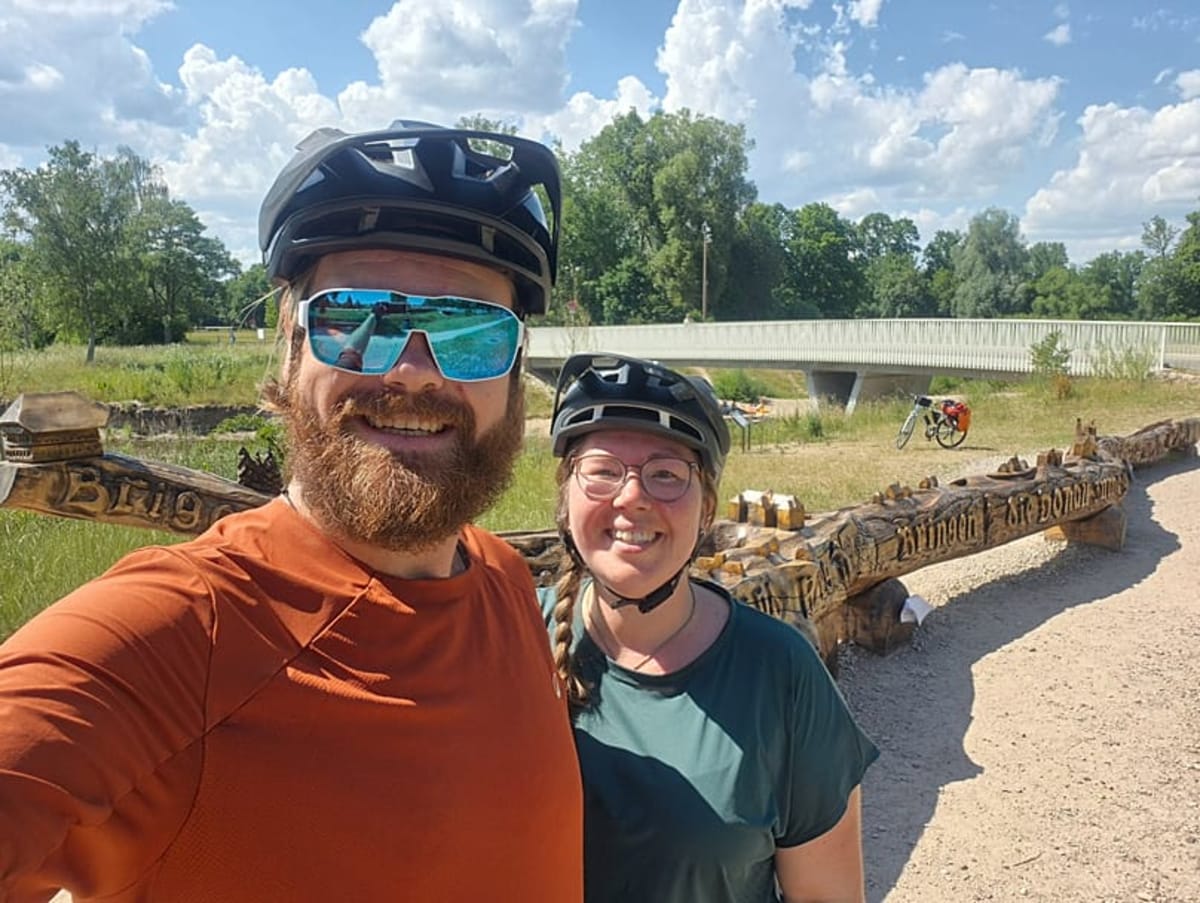
When Anna Wentsch and Callum Armstrong set out to bike 3,000 kilometers along the Danube River, they knew the journey would be challenging. They didn't expect to witness a climate crisis unfold in real time.
The couple pedaled through 10 countries as record drought forced Romania to explosively redirect water to keep its nuclear power plant running. When that didn't work, the plant shut down on August 13, cutting off 20 percent of the country's electricity.
Hungary faced similar desperation, sinking two barges to raise water levels and save its own nuclear facility. Farmers across the region watched their harvests fail, with Hungarian winegrowers reporting 30 percent fewer grapes.
Anna and Callum saw wildfires raging through parched Serbian landscapes. When they knocked on doors to alert locals, residents simply shrugged and said fires were normal now, too small to warrant emergency response.
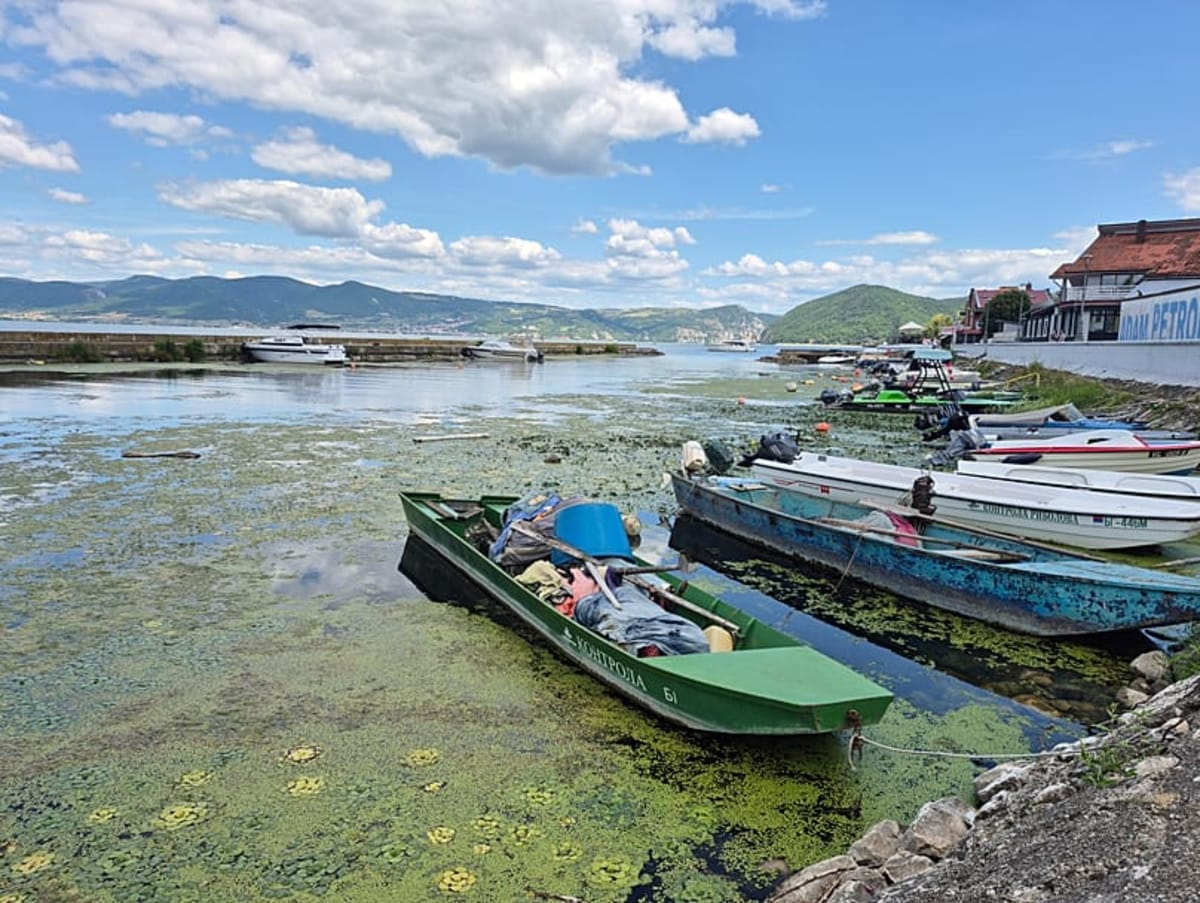
The German Danube Gorge presented another stark reality when their booked ferry couldn't run due to low water. Only tiny wooden boats could navigate the shallows while freight traffic ground to a halt, leaving grain piled up at terminals.
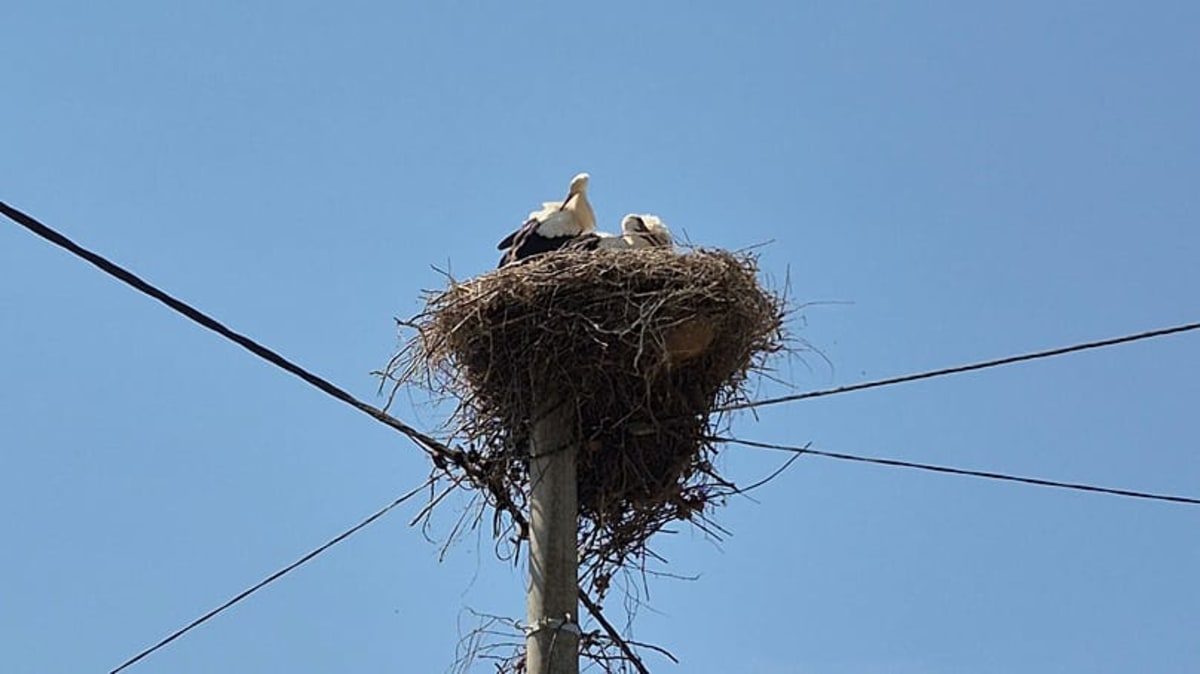
What hit Anna hardest was watching birds panting in the heat. Storks nesting on open platforms had nowhere to escape the scorching temperatures while the couple could at least find shade.
The Bright Side
But every pedal stroke also revealed communities refusing to give up. An eight-kilometer fish bypass between Neuburg and Ingolstadt impressed Callum most, reconnecting floodplains and bringing biodiversity back to stretches damaged by dams.
Even more inspiring is how five countries are working together. Austria, Croatia, Hungary, Serbia and Slovenia created the massive Mura-Drava-Danube Biosphere Reserve, protecting 930,000 hectares of river landscape.
The reserve enforces a no-dam policy to keep water flowing freely while replanting native forests. The results speak for themselves: 250,000 waterbirds now use the area for migration and feeding, and 150 pairs of white-tailed eagles nest there.
Anna calls these victories "speckles of hope," proof that restoration works when communities commit to it. The couple's 3,000-kilometer journey showed them that protecting nature and protecting people aren't separate goals but the same essential mission.
More Images
Based on reporting by Euronews
This story was written by BrightWire based on verified news reports.
Spread the positivity!
Share this good news with someone who needs it