Court Unblocks 57 GW of Solar Projects on Federal Land
A federal judge struck down a policy that had frozen renewable energy permits on public lands, clearing the way for massive solar projects across America. The ruling ends what industry leaders called a bureaucratic blockade that threatened affordable energy.
Tens of thousands of megawatts of clean energy projects just got a green light to move forward, potentially lowering electricity bills for millions of Americans.
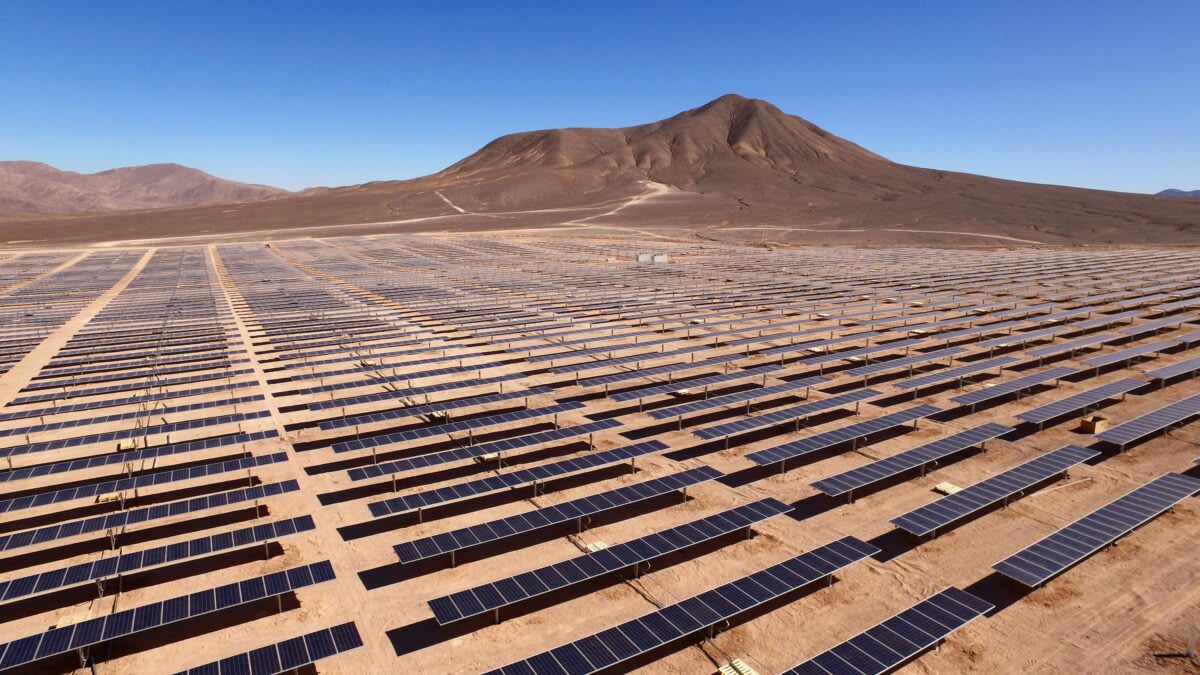
A U.S. District Court judge in Massachusetts issued a preliminary injunction against a Department of the Interior policy that had required top-level approval for every renewable energy project on federal lands. The rule had effectively frozen an estimated 57 gigawatts of solar and storage capacity, enough to power roughly 10 million homes.
The court ruled the administrative hurdles were likely "arbitrary and capricious," siding with industry advocates who argued the policy created an unnecessary bottleneck. Developers had warned that the restrictions threatened to derail utility-scale projects critical to meeting national energy goals.
"This ruling is a win for affordable energy in America, a win for American consumers, and a win for workers," said Darren Van't Hof, president of the Solar Energy Industries Association. He emphasized that low-cost solar and storage are essential for keeping energy prices down while supporting growing electricity demands from homes, businesses, and emerging technologies.
The policy had created what industry groups called a "de facto moratorium" on federal solar permitting. Projects that once moved through standard approval channels suddenly required sign-off from the Secretary of the Interior, adding months or years to timelines.
The Ripple Effect
The judicial intervention comes at a crucial moment for America's power grid. Energy costs have been rising nationwide, and experts agree that adding more generation capacity is the fastest way to ease price pressure on consumers.
The solar and storage projects now able to move forward will create thousands of construction jobs across the country. Once operational, they'll feed affordable electricity into regional grids struggling with growing demand from data centers, manufacturing facilities, and electric vehicles.
The ruling also addresses a massive backlog in interconnection queues, where developers wait years for approval to connect new power sources to the grid. Streamlining federal permitting removes one major obstacle in that lengthy process.
While federal agencies continue funding manufacturing and infrastructure improvements, the legal clarity around federal land use helps developers plan with confidence. The decision signals that courts will scrutinize policies that create administrative barriers without clear justification.
For American families watching their utility bills climb, this ruling means more competition in electricity markets and more low-cost power coming online in the years ahead.
More Images

Based on reporting by PV Magazine
This story was written by BrightWire based on verified news reports.
Spread the positivity!
Share this good news with someone who needs it