Court Unfreezes $5B for National EV Charging Network
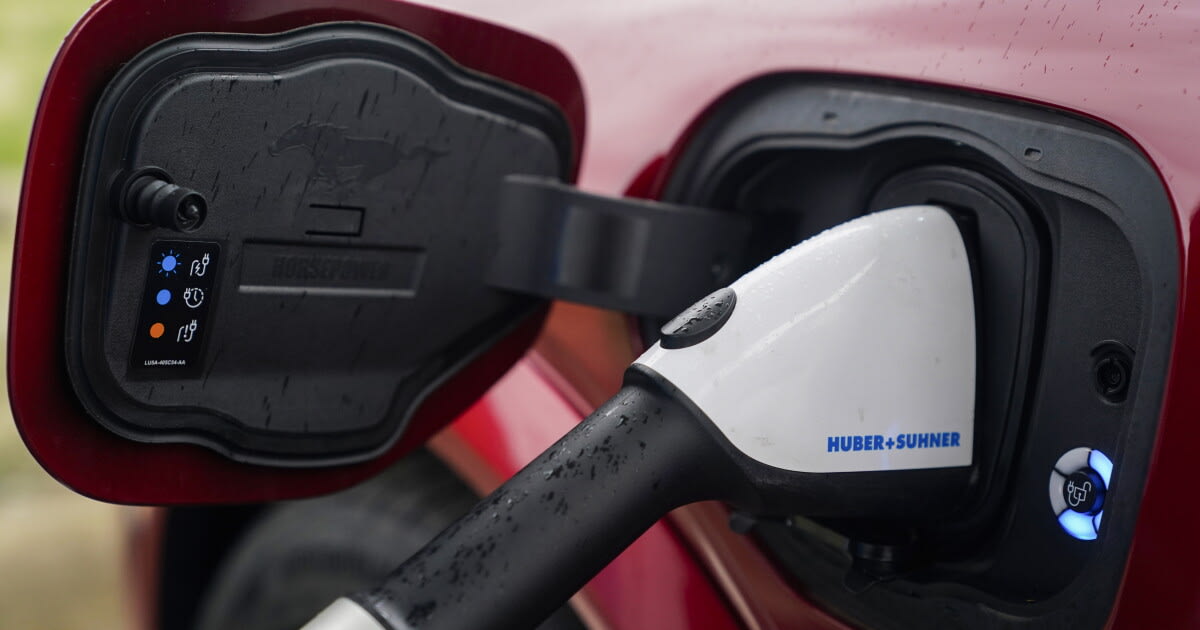
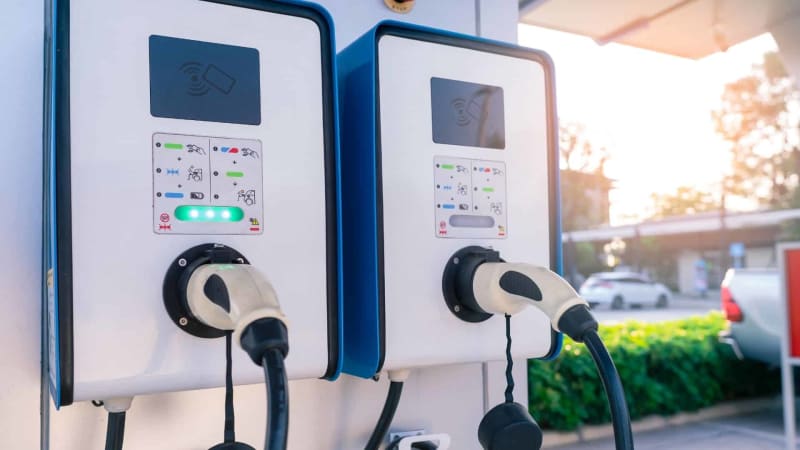
A federal court just unlocked $5 billion to build electric vehicle charging stations across America's highways, including $679 million for five Southeastern states. The victory protects thousands of manufacturing jobs and makes long-distance EV travel possible for millions of drivers.
Imagine buying an electric car but having nowhere to charge it on a road trip. That nightmare almost became reality when federal funding for a nationwide charging network got frozen this year.
A federal judge just changed everything. Last week, U.S. District Court Judge Tana Lin ruled that the government must release $5 billion in funding for the National Electric Vehicle Infrastructure program. The money will build fast-charging stations along highways from coast to coast.
The NEVI program started in 2022 as part of the Bipartisan Infrastructure Law. Congress allocated the funds to help states build charging networks that work like gas stations for electric vehicles. By the end of 2024, states had finished their plans and were ready to start building.
Then the funding suddenly stopped. The freeze threatened years of planning and left EV drivers stranded without reliable charging options. It also put 211,000 American manufacturing jobs at risk, many of them in the Southeast.
Nearly two dozen state attorneys general sued, joined by nonprofit groups including the Southern Alliance for Clean Energy. SACE represented drivers in Florida, Georgia, North Carolina, South Carolina, and Tennessee who needed the charging infrastructure. These five states alone stood to receive $679 million.
The Southeast has become America's EV manufacturing powerhouse. Companies have invested over $193 billion in domestic EV and battery production, with much of that money flowing to Southern states. But factories need customers, and customers need charging stations.
EV drivers testified about how the funding freeze hurt them. Without reliable fast-charging stations on highways, long-distance travel becomes stressful or impossible. While 80% of EV charging happens at home, public charging infrastructure is essential for road trips and building consumer confidence.
The court's ruling does more than just release money. It permanently bars the federal government from withdrawing state funds or interfering with implementation. States can now move forward with the charging networks they spent years designing.
The Ripple Effect
This victory protects an entire ecosystem. EV sales grew 47% annually from 2020 to 2024, while public charging stations doubled to reach 200,000. The Southeast leads the nation in EV manufacturing and shows strong sales growth. Reliable charging networks will keep that momentum going.
The benefits extend beyond drivers and automakers. EVs cost less to operate and maintain than gas-powered cars, offering real savings for families facing affordability challenges. They're more efficient and perform better too. As Dr. Stephen A. Smith of SACE said, electric mobility brings good-paying jobs and makes America competitive as the world goes electric.
The $5 billion investment will create thousands of construction jobs as states build out their networks. It will support the manufacturing jobs that already exist and attract new facilities. Most importantly, it will give millions of Americans the confidence to make the switch to electric vehicles.
When 35,000 SACE members across the Southeast raised their voices, judges listened. Now the plug-in revolution can continue, one charging station at a time.
Based on reporting by Google News - Clean Energy
This story was written by BrightWire based on verified news reports.
Spread the positivity!
Share this good news with someone who needs it