Cricket World Cup Welcomes 20 Nations in Historic Shift
The T20 World Cup just featured 20 teams for only the second time ever, bringing nations like Italy and Nepal to cricket's biggest stage. Underdogs are proving they belong, delivering thrilling upsets and making history along the way.
Cricket is finally becoming a truly global game, and the proof just played out across stadiums from Mumbai to Colombo.
The ongoing T20 World Cup expanded to 20 teams, doubling down on a format that's opening doors for countries traditionally shut out of cricket's elite circle. While football's World Cup has long represented nations from every continent, cricket has historically belonged to a handful of former British colonies.
This tournament is rewriting that story. Italy made its World Cup debut and won its first match. Nepal nearly stunned England in front of 17,000 roaring fans at Mumbai's Wankhede Stadium. The Netherlands came within one dropped catch of toppling Pakistan on opening day.
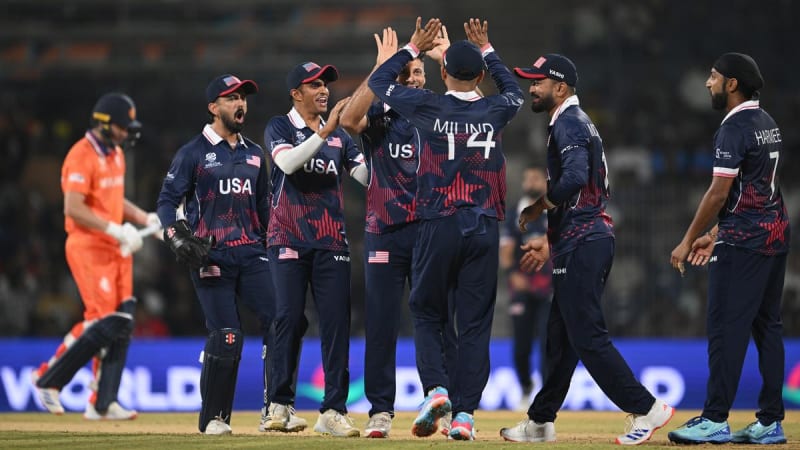
The USA shocked defending champion India, reducing them to 77 for six before India's Suryakumar Yadav rescued his team with an unbeaten 84. These weren't the blowouts critics predicted when the expanded format was announced.
Italy's presence alone signals cricket's changing identity. The team consists mostly of players with Italian ancestry from Australia, England, and South Africa, plus immigrants from cricket-playing nations. But one player stands out: Crishan Kalugamage moved from Sri Lanka to Tuscany as a teenager, started making pizzas, and now bowls leg-spin for his adopted country.
After Italy's historic 10-wicket victory over Nepal, Kalugamage delivered a speech in Italian, a first for world cricket. "Un momento storico per l'Italia," he said with his Sri Lankan accent. A historic moment for Italy, indeed.
The Ripple Effect
These Associate teams face challenges most cricket fans never consider. Canadian players only have three months yearly when weather permits outdoor cricket. They train indoors the rest of the time. Namibian cricketers juggle day jobs with international competition. Yet they're competing fiercely against nations with professional leagues and year-round facilities.
Their presence does more than add drama to the tournament. It plants seeds for cricket's growth in new territories, inspiring kids in places like Tuscany and Toronto to pick up a bat. Every close match, every upset, every moment of brilliance from an underdog nation proves cricket belongs to more than just the traditional powerhouses.
The tournament also showcases cricket's unique cultural mashups. The Caribbean islands unite as one team, a concept that exists nowhere else in international sports. Afghanistan's rise over the past decade demonstrates how quickly the sport can take root in unexpected places.
Scotland, a last-minute tournament entrant, finished third in its group, proving preparedness matters less than heart and skill when the stakes are high.
The expanded format isn't perfect, and questions remain about long-term sustainability for these emerging nations. But right now, cricket is experiencing something special: a genuine world cup that actually represents the world.
Based on reporting by The Hindu
This story was written by BrightWire based on verified news reports.
Spread the positivity!
Share this good news with someone who needs it