Critically Endangered Giraffes Bounce Back in Cameroon
Two tracked giraffes in Cameroon's Faro National Park are joining new families, signaling hope for one of Africa's most threatened subspecies. Fewer than 2,300 Kordofan giraffes remain in the wild.
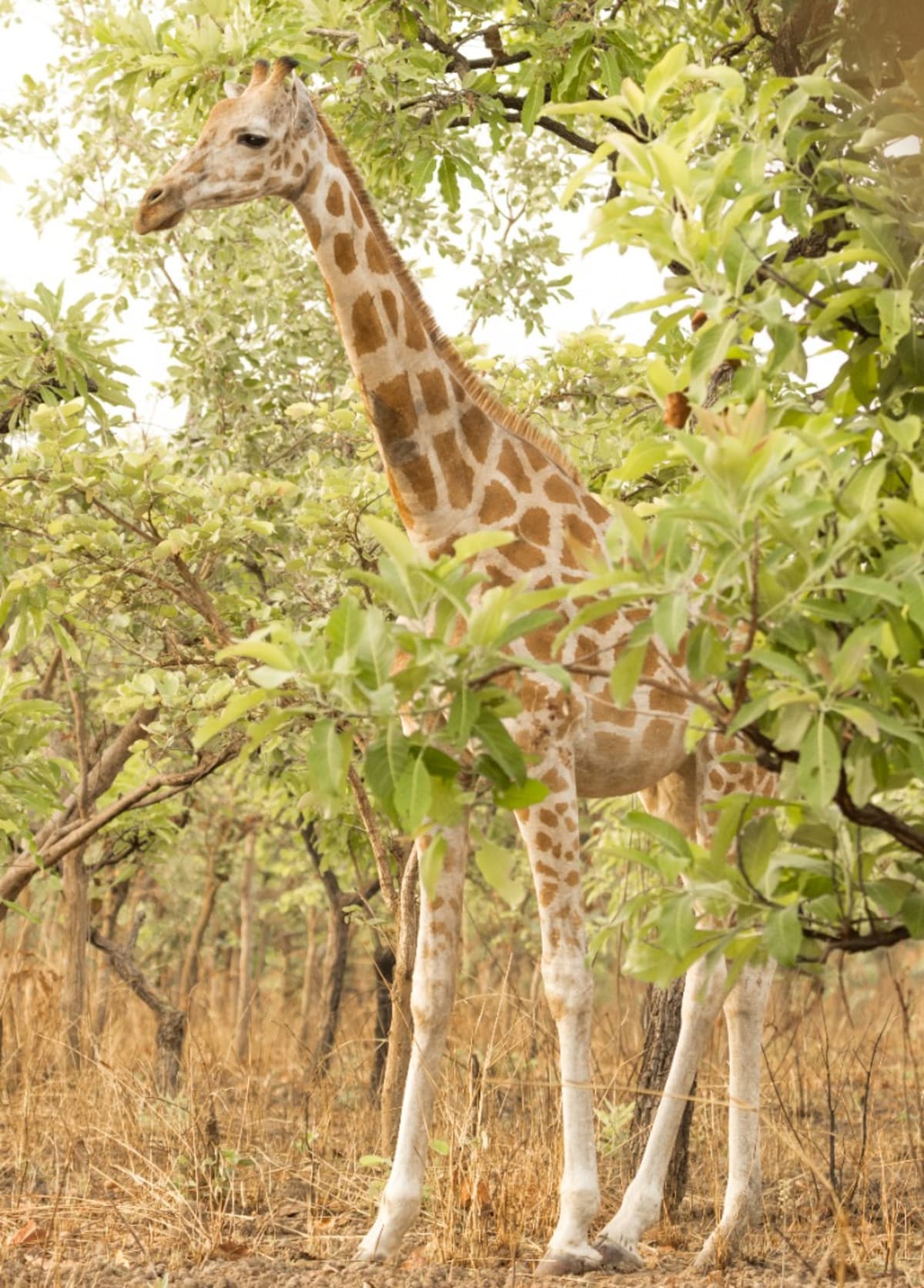
In Cameroon's Faro National Park, two critically endangered giraffes are doing something conservation teams have been hoping to see: they're thriving.
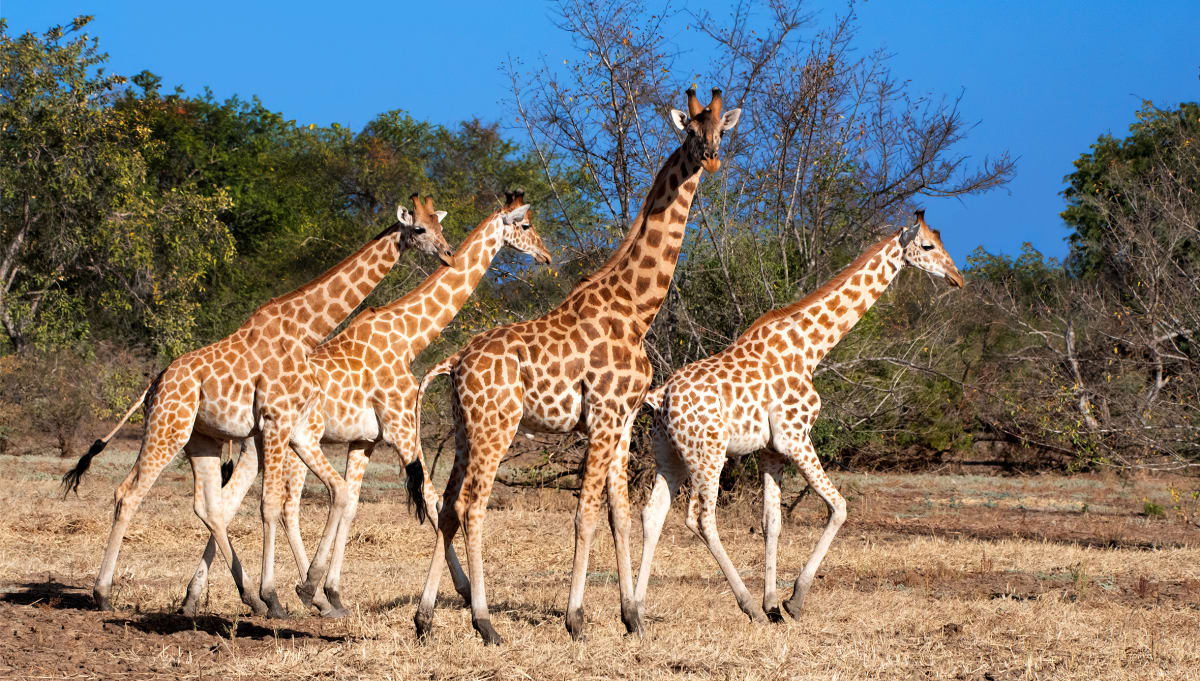
Ejame, whose name means "my own," and Ekom, meaning "pride," are both Kordofan giraffes being tracked by the African Wildlife Foundation. Recently, both animals joined new giraffe families, a sign that this fragile population is stable enough to support social growth and genetic diversity.
For a subspecies with fewer than 2,300 individuals left in the wild, every positive indicator matters. Kordofan giraffes are listed as critically endangered, making Cameroon's northern parks among their last strongholds.
"Tracking Ejame and Ekom as they join new families tells us the population is healthy enough to support social expansion," says Anthony Agbor, AWF Faro Landscape Director. Giraffes live in fluid social groups that merge and separate over time, so these movements reveal whether the animals can safely access water, food, and suitable habitat.
Giraffes do more than look impressive. By browsing trees, they shape vegetation and stimulate new growth. As they travel long distances, they scatter seeds through their dung, helping forests regenerate far from parent plants. Their height also helps them spot predators early, providing an early warning system for other animals like antelopes.
But pressures remain intense. Expanding farms, illegal gold mining, and seasonal livestock movements continue fragmenting habitat around Faro. When cattle enter wildlife areas, competition for water increases and disease transmission becomes a risk.
The Ripple Effect
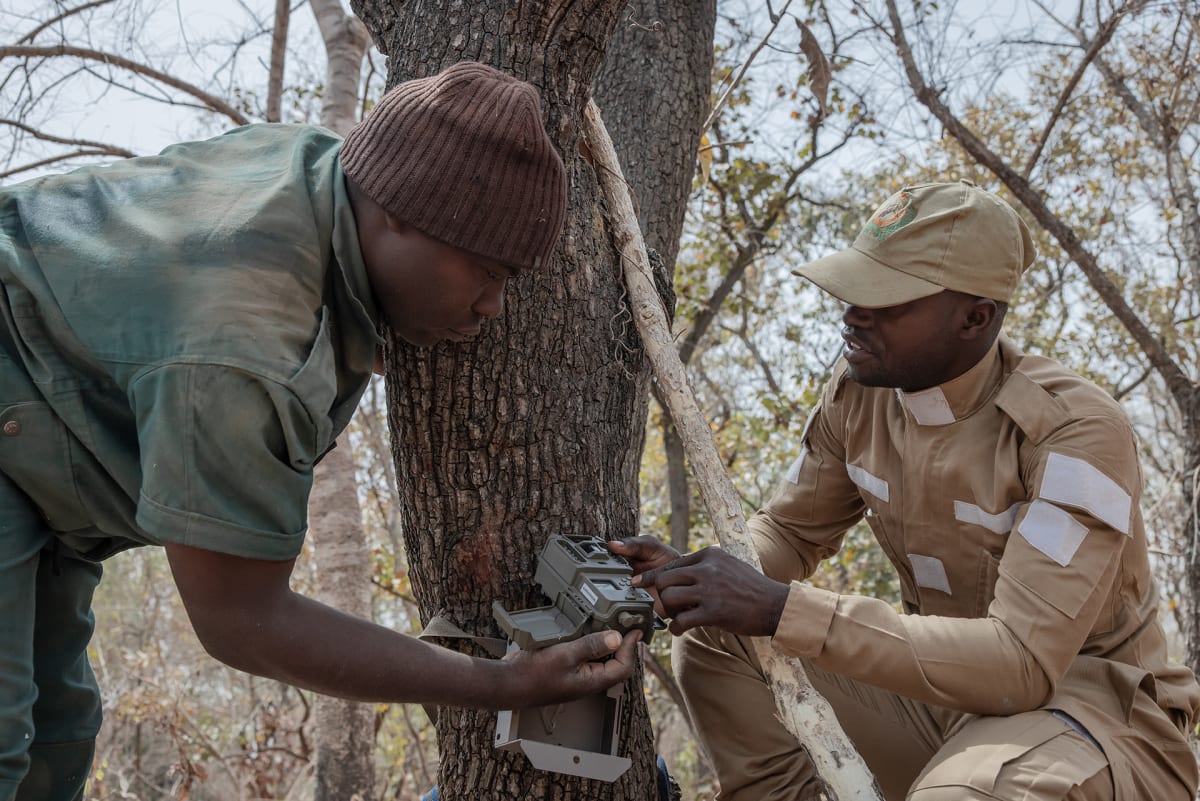
Conservation teams are using camera traps and field surveys to monitor giraffe movements without disturbing them. This non-invasive approach helps identify critical corridors and pressure points where protection needs strengthening.
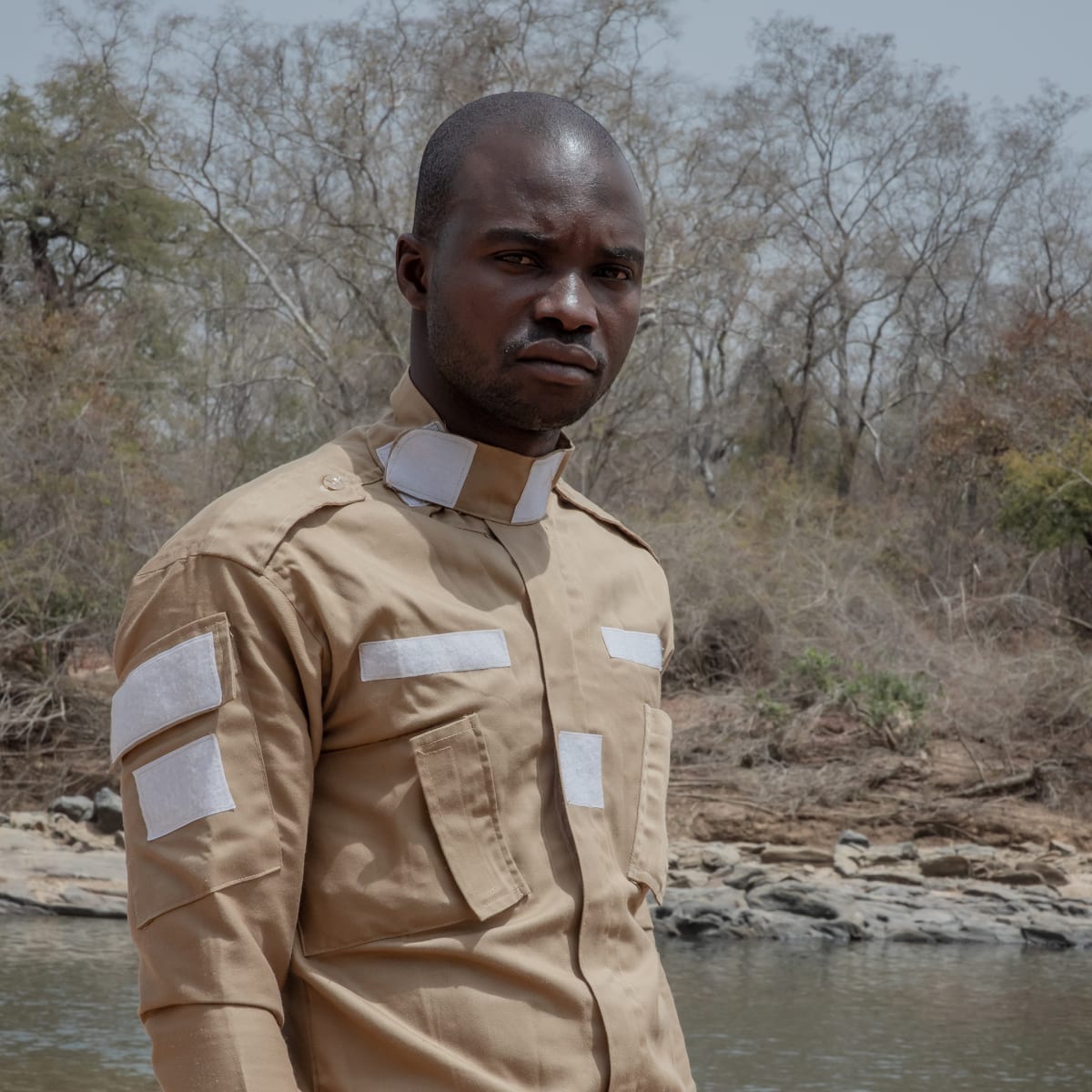
The work is supported by partnerships with the European Union and Simply Southern, which fund ranger training and long-term monitoring. But some of the most valuable contributions come from local volunteers like Dairou Souley, a young man from Faro who has been supporting monitoring missions since 2023.
Souley helps set up camera traps, conducts surveys from watchtowers, and collects wildlife data. His knowledge of the terrain guides teams to critical areas and strengthens the quality of information gathered.
"As a young volunteer, I feel proud to give back to Africa by protecting the wildlife and forests around my home," Souley says. His involvement shows how youth engagement strengthens conservation outcomes by bridging scientific monitoring with community knowledge.
Ejame and Ekom's story reflects what happens when patient monitoring, ranger vigilance, and local commitment combine. Their movement into new families proves that with the right support, even critically endangered species can find pathways to recovery.
More Images

Based on reporting by Google News - Wildlife Recovery
This story was written by BrightWire based on verified news reports.
Spread the positivity!
Share this good news with someone who needs it