Crocodile Bones Reveal Dinosaurs May Have Grown Faster
Scientists studying modern crocodiles discovered that dinosaurs might have been younger than we thought. The breakthrough could rewrite how we understand these ancient giants.
Dinosaurs may have grown up much faster than scientists believed, thanks to a surprising discovery hidden inside crocodile bones.
For decades, paleontologists counted growth rings in fossilized dinosaur bones like tree rings, assuming each ring represented one year of life. Using this method, researchers calculated that a baby T. rex took over 20 years to reach full adult size.
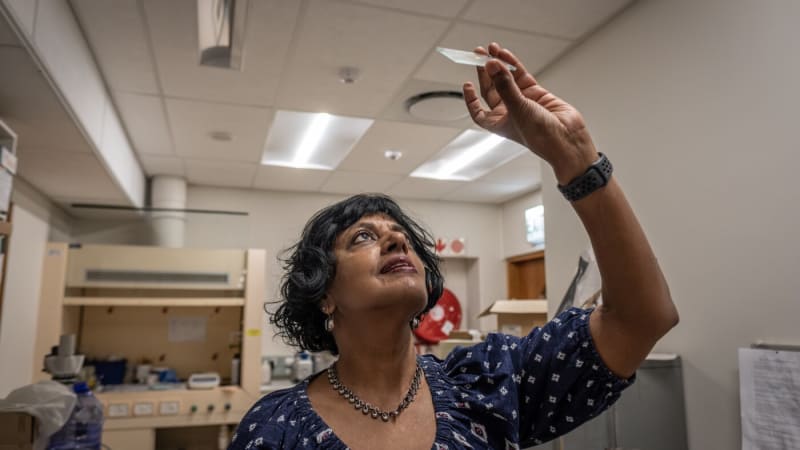
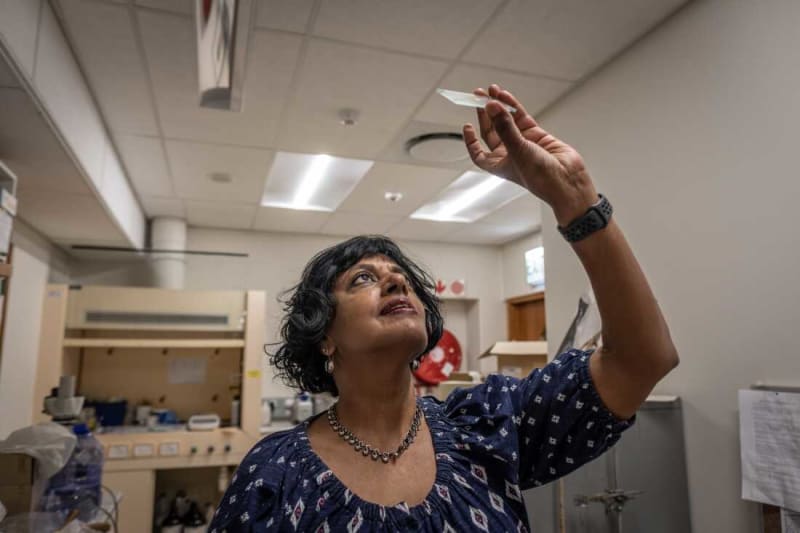
But Anusuya Chinsamy-Turan, a paleobiologist at the University of Cape Town in South Africa, suspected something wasn't quite right. She decided to test the theory using Nile crocodiles, modern relatives of dinosaurs that share similar bone structures.
In 2011, Chinsamy-Turan partnered with Le Bonheur Reptiles & Adventures near Cape Town, a facility home to 177 Nile crocodiles. The team injected several one-year-old crocodiles with antibiotics three times over multiple months, which left chemical time markers in their developing bones.
The four crocodiles grew together but developed at wildly different rates. One became an 80-pound bully that required multiple handlers to wrangle, while its siblings stayed smaller despite eating the same food in the same environment.
When the crocodiles reached two years old in 2013, Chinsamy-Turan examined their bones. She and colleague Maria Eugenia Pereyra found more growth rings than expected if each ring truly represented one year.
The researchers published their findings in Scientific Reports, concluding that the one-ring-per-year rule might not hold true. If dinosaurs laid down growth rings the same way modern crocodiles do, many specimens were likely younger than previously calculated.
Why This Inspires
This discovery shows how modern animals hold keys to unlocking ancient mysteries. By studying creatures alive today, scientists can rewrite history and better understand the magnificent dinosaurs that once walked our planet.
The breakthrough also highlights how patience and careful observation lead to revolutionary insights. Chinsamy-Turan spent over a decade following these crocodiles, measuring and documenting their growth before the bones revealed their secrets.
"Each of them, their skeletons tell a story about how they grew," Chinsamy-Turan explains while watching the crocodiles at Le Bonheur. The facility's manager, Alzette Mocké, puts it perfectly: "It's like walking among dinosaurs every day."
The research means dinosaurs may have grown faster and lived differently than we imagined, opening exciting new questions about these ancient animals.
More Images


Based on reporting by NPR Science
This story was written by BrightWire based on verified news reports.
Spread the positivity!
Share this good news with someone who needs it
%2Ffile%2Fattachments%2F2997%2FGettyImages-2211967510_856600.jpg)