CT Researchers Find Bacteria Living in Scorpion Venom
Scientists at Eastern Connecticut State University discovered thriving bacterial communities in scorpion venom, shattering the belief that venom was sterile. This "lost city" of microbes could unlock powerful new antibiotics when the world desperately needs them.
📺 Watch the full story above
Scientists just found a hidden world where they never thought life could exist: inside scorpion venom.
Researchers at Eastern Connecticut State University discovered diverse bacterial communities thriving in venom that scientists believed for decades was completely sterile. Professor Barbara Murdoch describes it as finding "a lost city with a large, diverse population" hiding in one of nature's most hostile environments.
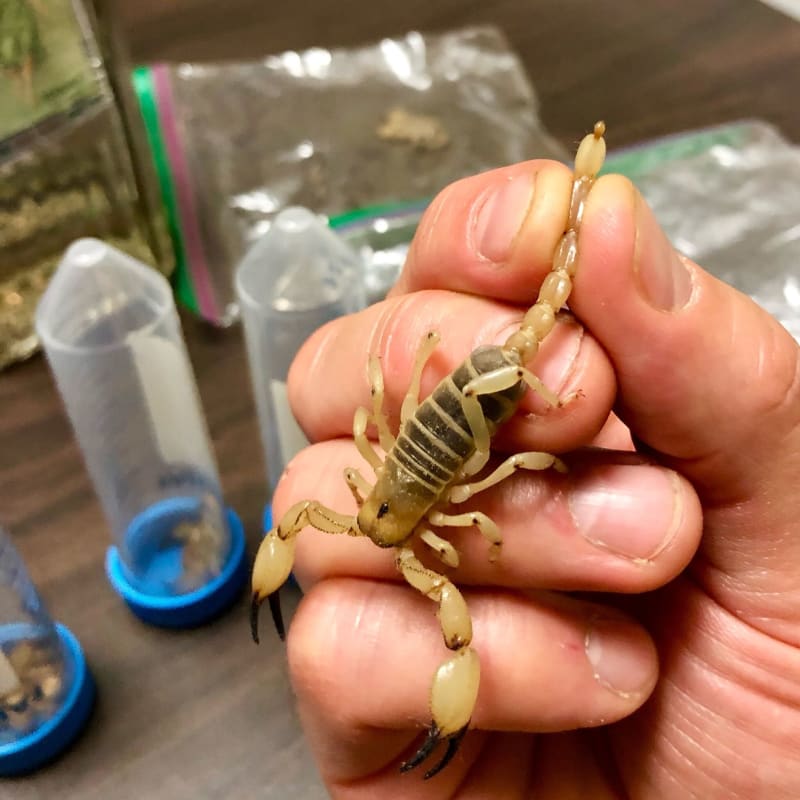
The team collected two species of scorpions at night from California and Nevada deserts, then used DNA sequencing to analyze their venom. Every single sample contained bacteria, and each scorpion carried its own unique microbial community.
"It's like a new world that we didn't know existed before," Murdoch said. Professor Matthew Graham, who calls himself a "scorpion wrangler," put it another way: every scorpion carries "a globe of life in the tail."
The study, published in the journal PLOS One, provides the first detailed look at microbes living directly in venom itself. Previous research had only detected microbes in venom-producing organs and surrounding tissues.
The Ripple Effect
This discovery arrives at a critical moment for global health. The World Health Organization reports that one in six bacterial infections worldwide was resistant to antibiotics in 2023, and scientists are racing to develop new treatments.
The bacteria surviving in scorpion venom could be the key. These hardy microbes have adapted to live in an extremely harsh chemical environment, which means they might produce powerful compounds that could inspire new antibiotics.
"It could be that venom is this untapped resource to find a variety of new drugs," Murdoch said. Her team specifically chose to study these microbiomes hoping to discover unique bacteria that conventional research had overlooked.
The findings also help explain why scorpion stings sometimes lead to bacterial infections. Understanding which microbes survive in venom could help doctors treat these infections more effectively.
The research challenges scientific assumptions beyond just scorpions. Recent studies have identified similar microbial communities in snake and spider venom, suggesting that life finds a way even in environments once considered impossible for survival.
Graham sees it as a reminder that undiscovered life exists in unexpected places. "There's major branches on the tree of life we haven't found because they're hiding in the nooks and crannies like scorpion stingers," he said.
The Connecticut team plans to continue exploring these microscopic worlds, searching for the next breakthrough hiding in nature's medicine cabinet.
More Images




Based on reporting by Google News - Researchers Find
This story was written by BrightWire based on verified news reports.
Spread the positivity!
Share this good news with someone who needs it