Cuba Launches Its Largest Wind Farm After 10-Year Delay
After a decade of setbacks, Cuba has started installing turbines at Herradura 1, a 51 MW wind farm that will power the island's renewable energy future. The project marks a major step toward Cuba's goal of 100% clean energy by 2050.
📺 Watch the full story above
After more than 10 years of construction delays, Cuba is finally building what will become the largest wind farm in its history.
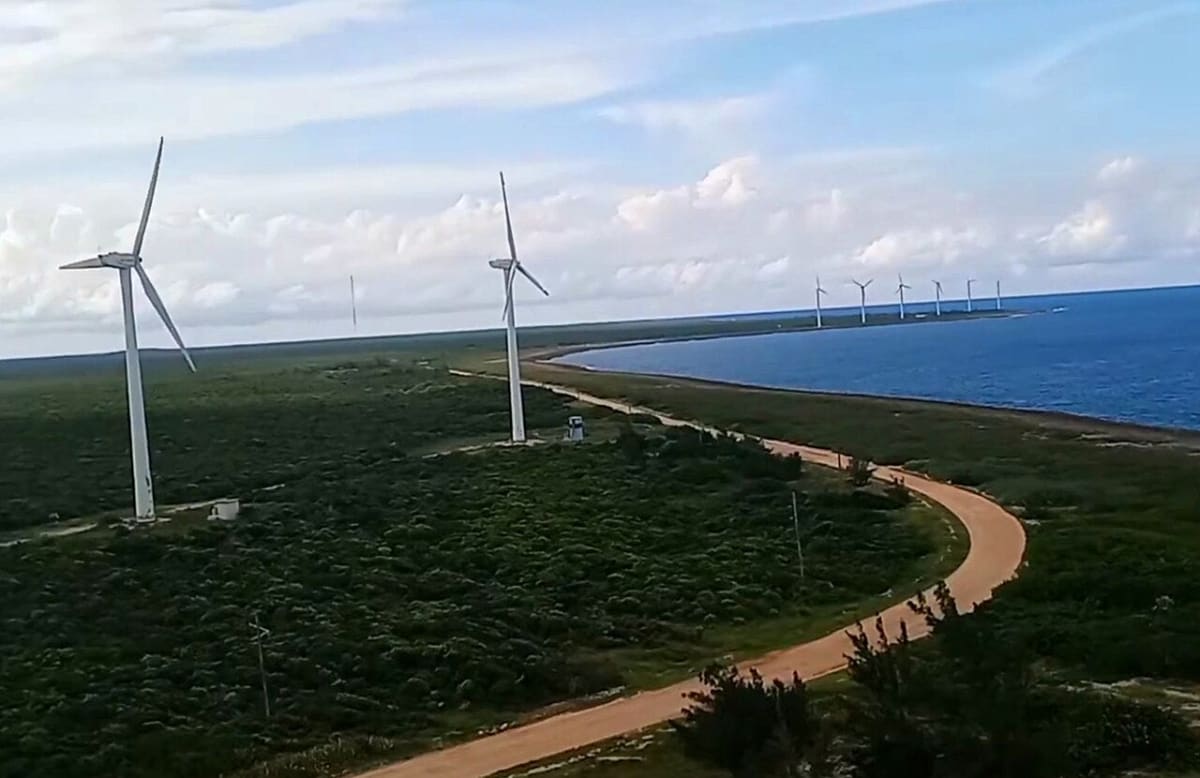
Workers began assembling turbines at the Herradura 1 wind farm in Las Tunas province this April. The project will install 34 massive Chinese-made turbines, each standing taller than any wind tower currently operating on the island.
Vicente de la O Levy, Cuba's Minister of Energy and Mines, confirmed the farm will start producing power this year. All equipment, cranes, and technical support are now on site after years of supply chain struggles and missing components.
The first phase will connect 22 turbines producing 34 megawatts of electricity. That's enough to power thousands of homes in a province that already runs eight solar parks generating over 60 megawatts combined.
Officials chose the northern Las Tunas coast for good reason. The location offers some of the strongest and most consistent wind resources anywhere on the island, making it ideal for renewable energy generation.
The project faced repeated stops and starts over the past decade as Cuba struggled to secure technology and major components. But teams kept building anyway, completing an electrical substation and specialized maintenance center that now stand ready to support the turbines.
The Ripple Effect
Herradura 1 represents more than just clean electricity. It's the centerpiece of Cuba's ambitious plan to achieve complete energy independence through renewables.
The country currently generates about 10% of its power from renewable sources. Cuba aims to reach 15% this year, then 24% by 2030, 40% by 2035, and 100% by 2050.
Minister de la O Levy calls it "a complete cultural transformation" that starts in schools with children learning about energy efficiency. The plan includes reviving technologies Cuba developed during its economic crisis in the 1990s, like traditional windmills for water pumping and biogas plants for farming communities.
Cuba still has nearly 5,700 traditional windmills available for use and 124 working biogas facilities. The strategy draws on every available resource, blending old solutions with new technology.
The 40% renewable target by 2035 would eliminate Cuba's need to import fuel entirely. That shift would free up resources while protecting the environment and securing energy for future generations.
Herradura 1 shows what persistence looks like when a nation commits to a cleaner future, even through economic hardship and decade-long delays.
More Images

Based on reporting by Google News - Wind Energy
This story was written by BrightWire based on verified news reports.
Spread the positivity!
Share this good news with someone who needs it