Cuba Slashes Poverty to 0.7% Through Universal Healthcare
Cuba has achieved one of Latin America's lowest poverty rates at just 0.7%, proving that universal healthcare and education can transform a nation. Despite economic challenges and trade restrictions, the island nation continues innovating with solar power and local solutions.
Cuba has quietly accomplished something remarkable: reducing its poverty rate to just 0.7% of the population, one of the lowest figures in Latin America.
The achievement stems from decades of commitment to universal healthcare, education, and food security as basic human rights. Since 1959, Cuba has built a system where every citizen has access to free medical care, literacy programs, and housing assistance.
The healthcare transformation tells the story best. In the 1950s, rural Cuba had a single hospital and infant mortality rates reached 100 deaths per 1,000 births. Today, that number has plummeted to just 4.0 deaths per 1,000 births, rivaling wealthy nations.
The secret lies in Cuba's Family Doctor and Nurse Program. Since 1999, more than 13,000 teams of neighborhood doctors and nurses have served every Cuban community, ensuring no one falls through the cracks. These local teams don't just treat illness; they track community health trends and identify needs before they become crises.
Cuba's commitment extends beyond its borders too. Since 2018, approximately 400,000 Cuban health professionals have worked in over 150 countries, sharing their expertise with communities in need.
The nation faces real challenges. Economic dependence on tourism, import restrictions, and recent fuel shortages have strained food security. Hurricane Melissa and other natural disasters test the system regularly.
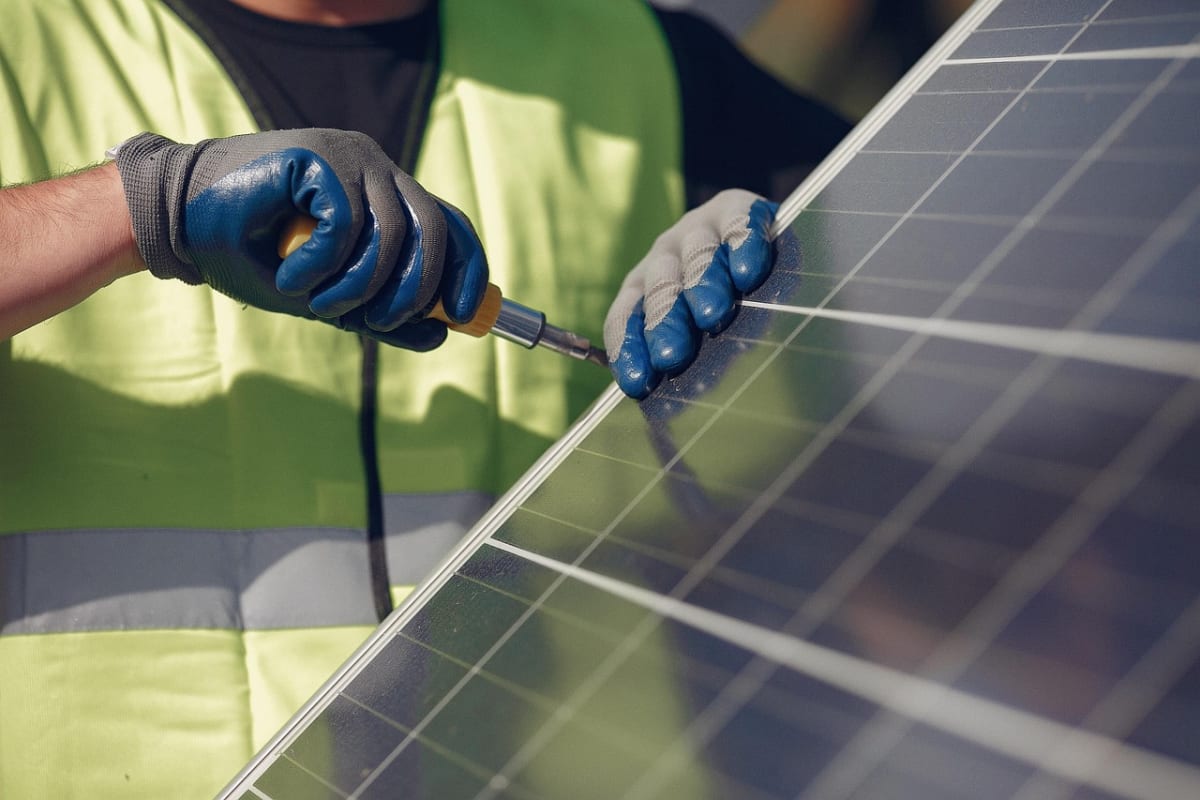
But Cubans keep adapting. When oil blockades threatened energy supplies in 2025, the country installed 1,000 megawatts of solar generation with help from China. The government now waives personal taxes for up to eight years for anyone investing in renewable energy. Even taxi drivers are mounting solar panels on their vehicles.
The World Food Programme now partners with Cuba to reduce import dependence and strengthen nutrition programs. In 2025 alone, over 1.5 million Cubans benefited from food assistance and disaster relief.
The Ripple Effect
Cuba's approach shows what's possible when governments treat healthcare, education, and food as fundamental rights rather than commodities. The nation has created a baseline of security that allows people to thrive despite limited resources.
Leader Miguel Díaz-Canel is doubling down on local solutions, giving more power to municipalities and state-owned enterprises to boost local production. His strategy centers on cooperation and solidarity as the path forward.
From solar panels to community doctors, Cuba proves that creativity and commitment can overcome enormous obstacles.
Based on reporting by Google News - Poverty Reduction
This story was written by BrightWire based on verified news reports.
Spread the positivity!
Share this good news with someone who needs it