Cuba's 63-Year Medical Mission Reaches 165 Countries
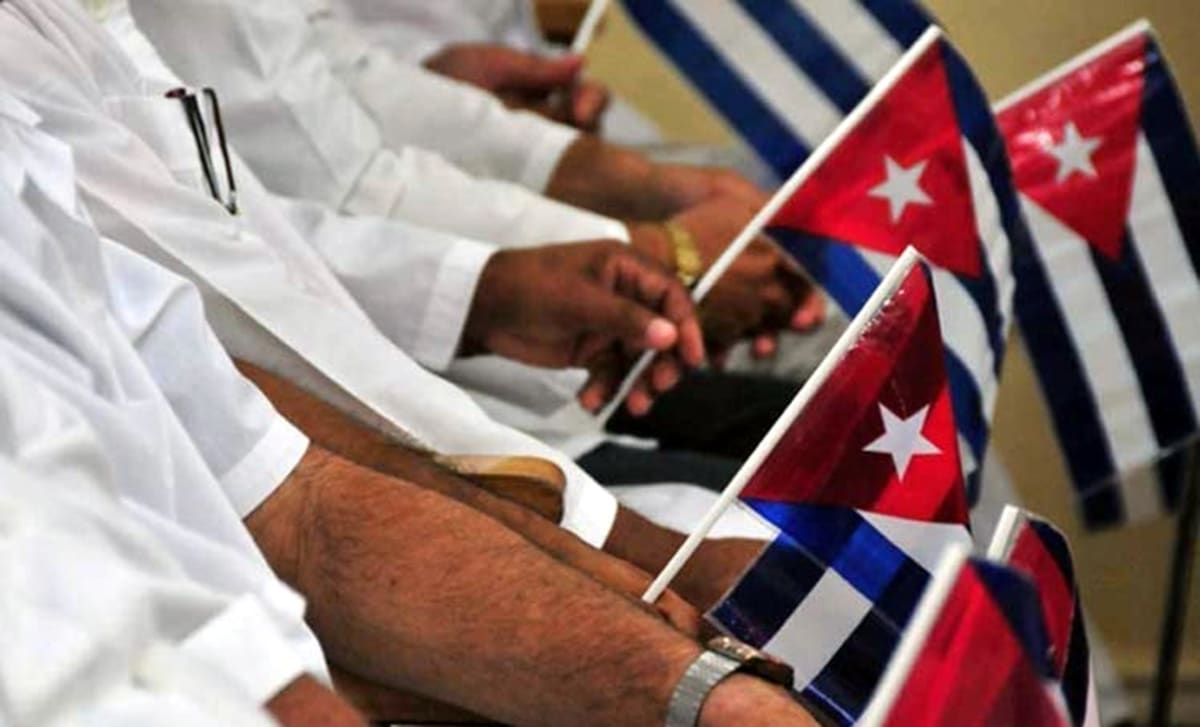
For over six decades, Cuban doctors have brought healthcare to places where medical help is scarce or nonexistent. More than 600,000 medical professionals have served in 165 countries since 1963.
Since 1963, Cuba has sent doctors and nurses to the world's most underserved places, bringing medical care to communities that might otherwise have none.
It started with a single medical brigade to Algeria on May 23, 1963. Today, that first mission has grown into a decades-long commitment that has touched 165 countries and deployed more than 600,000 healthcare workers to areas desperate for help.
The work goes far beyond routine care. Cuban medical teams respond to crises when they strike hardest, showing up for natural disasters, epidemic outbreaks, and health emergencies where immediate care saves lives.
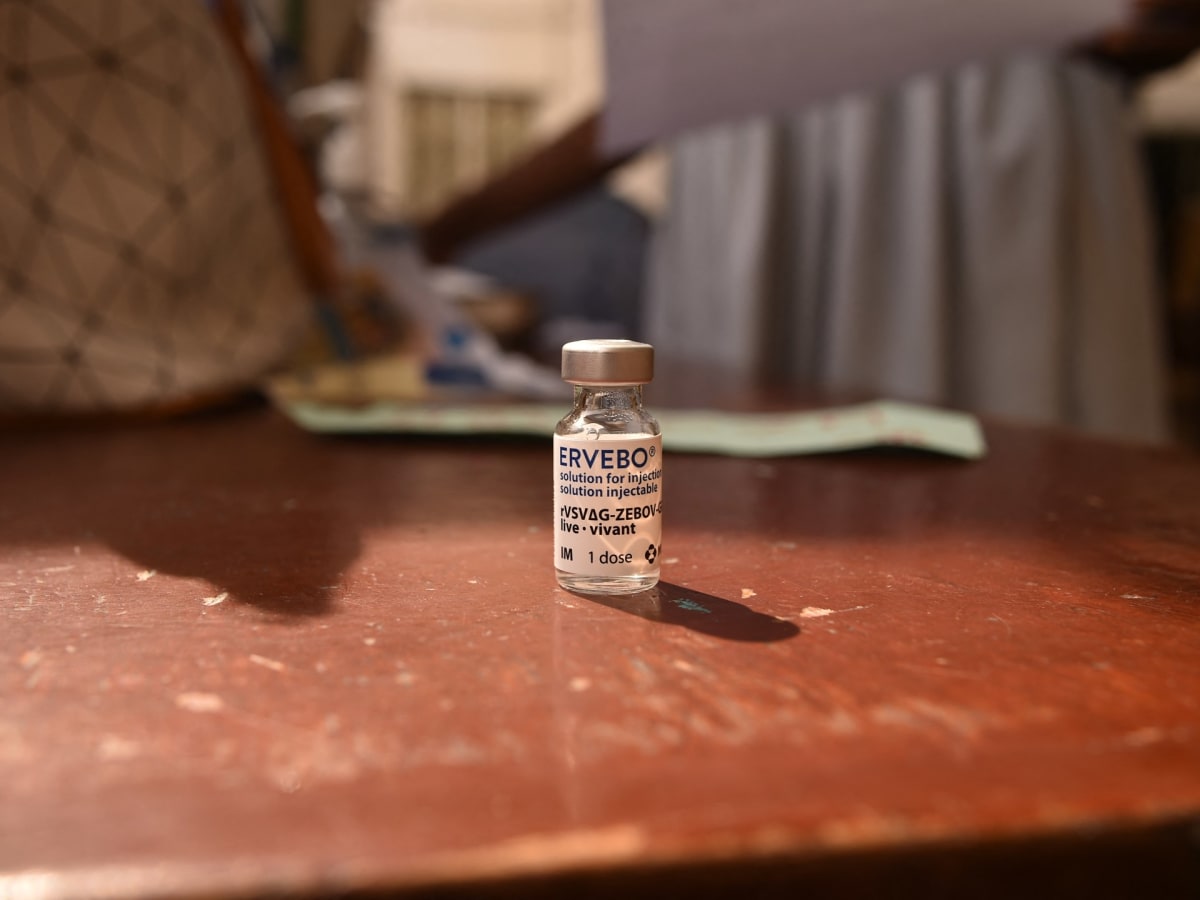
The Henry Reeve International Contingent, created in 2005, specializes in emergency response. These doctors and nurses have fought Ebola outbreaks in West Africa, treated earthquake victims, provided hurricane relief, and cared for COVID-19 patients across 55 countries through 90 separate brigades.
Cuban healthcare workers often arrive in places where medical infrastructure barely exists. They set up clinics, train local staff, and stay long enough to help communities build sustainable health systems that continue serving people after they leave.
The Ripple Effect
This medical cooperation creates waves of impact beyond individual patient care. When Cuban doctors train local healthcare workers, they're building capacity that serves communities for generations.
The program demonstrates how international cooperation can address global health inequality. It shows what's possible when countries commit resources to helping others, especially in regions where access to basic healthcare remains a daily struggle.
This model of solidarity has inspired other nations to consider similar humanitarian efforts. It proves that middle-income countries can make meaningful contributions to global health without massive budgets.
After 63 years, the Cuban medical cooperation program stands as one of the longest-running humanitarian healthcare initiatives in modern history.
Based on reporting by Google: cooperation international
This story was written by BrightWire based on verified news reports.
Spread the positivity!
Share this good news with someone who needs it