Czech Site Yields 1,000+ Ancient Artifacts Before Rail Build
Archaeologists in the Czech Republic discovered over 1,000 artifacts spanning 3,000 years along a railway construction route. The finds include rare Roman tools, Bronze Age homes, and evidence of ancient metalworking workshops.
Construction crews preparing to build a high-speed railway in the Czech Republic just gave archaeologists the gift of a lifetime: over 1,000 ancient artifacts spanning from the Bronze Age to Roman times.
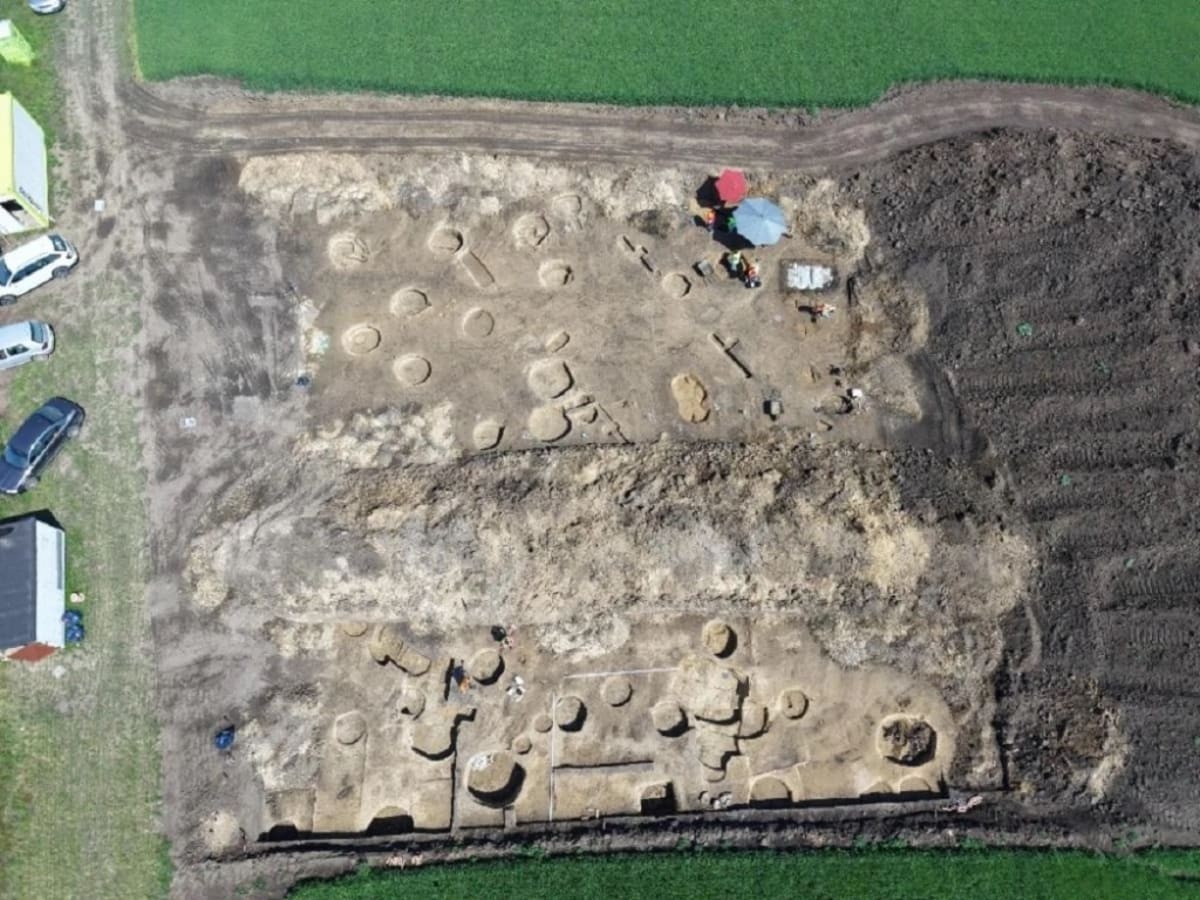
The Archaeological Center Olomouc uncovered the treasures along a three-quarter-mile stretch between two towns in the Haná River valley. Teams worked between April and October 2025, racing to document the site before railway construction begins.
The discoveries paint a picture of bustling ancient life. Archaeologists found remains of wooden homes from the Věteřov culture, dating back to 1800-1500 B.C. When fires destroyed these ancient houses, the clay wall plaster baked hard, preserving details like smooth decorated surfaces and woven wall patterns that are still visible today.
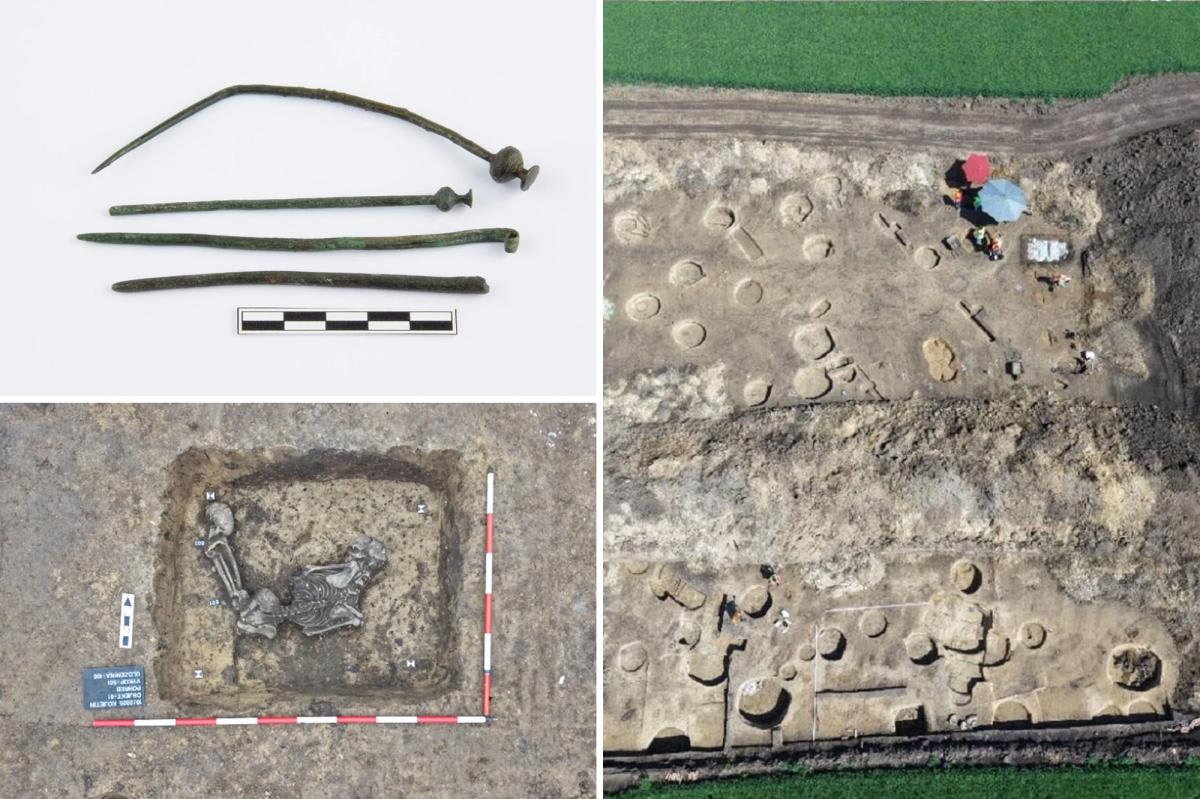
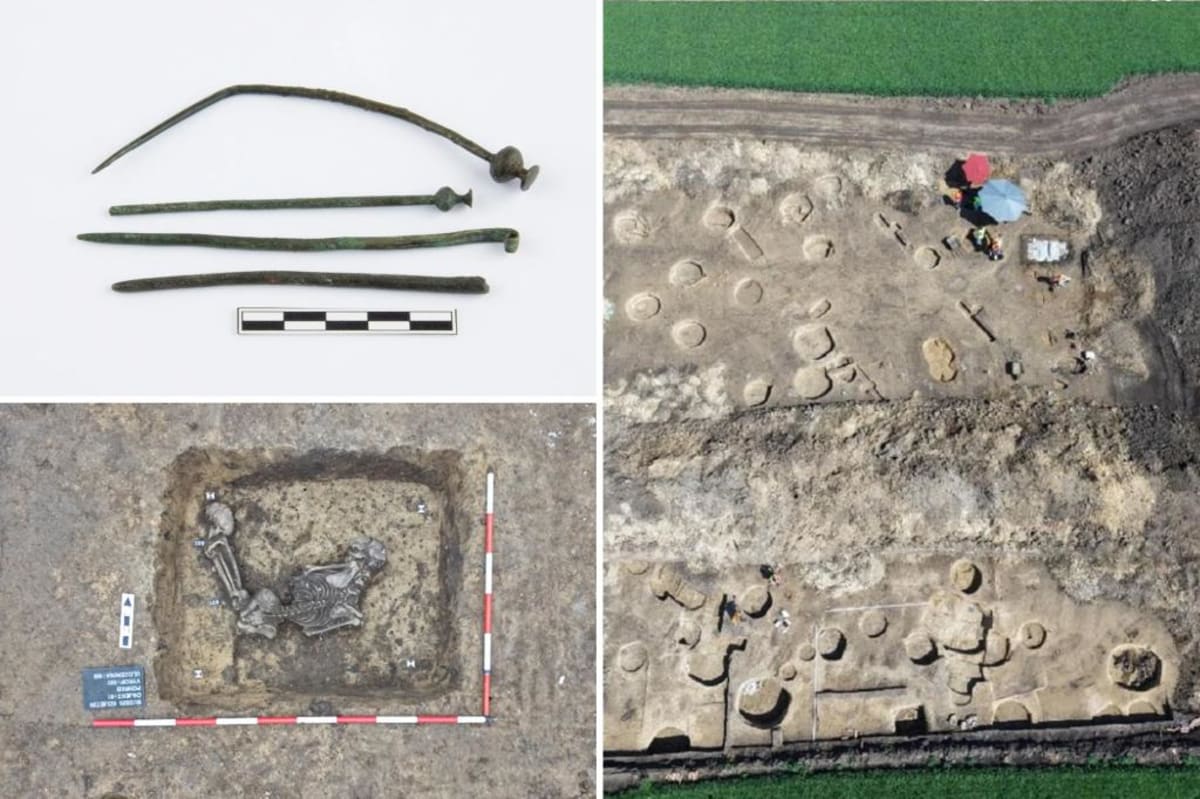
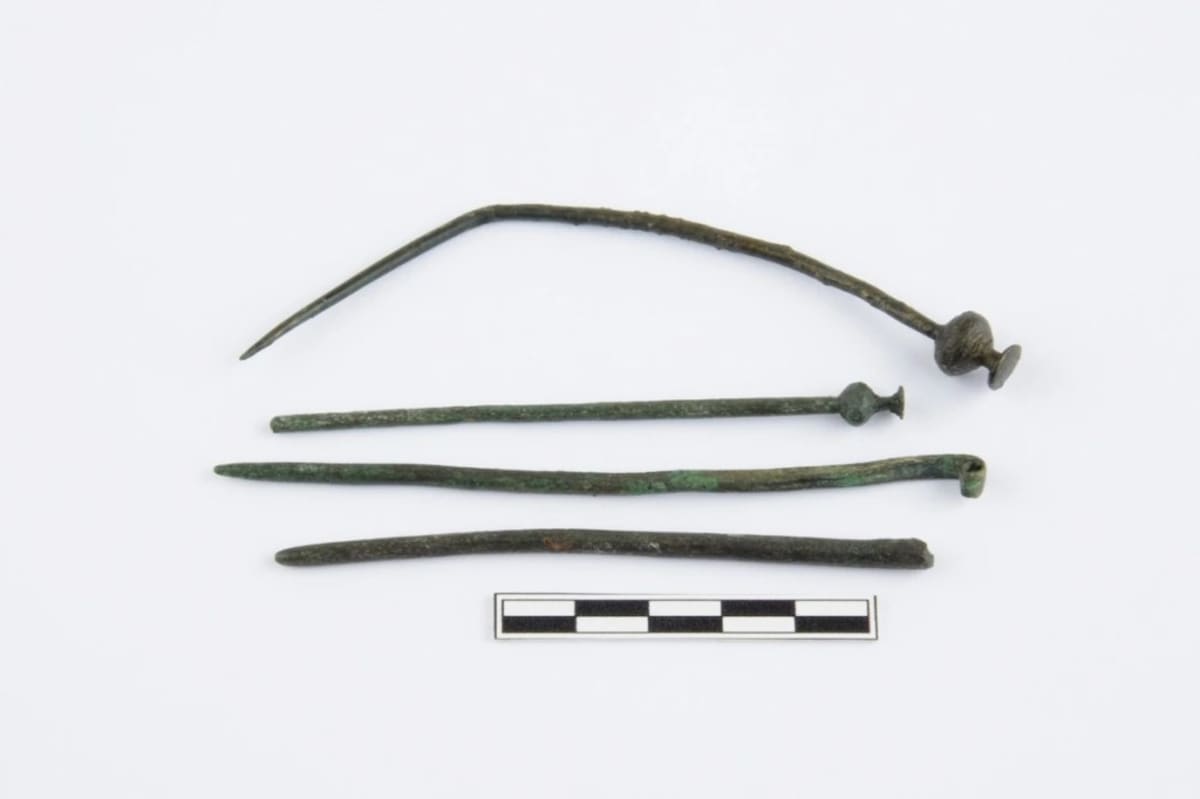
But the real excitement came from evidence of specialized craftsmanship. Researchers unearthed crucible fragments and stone molds used to create bronze objects, along with finished pieces including axes, pins, bracelets, and knives. The finds point to a dedicated bronze-working workshop operating at the end of the Bronze Age.
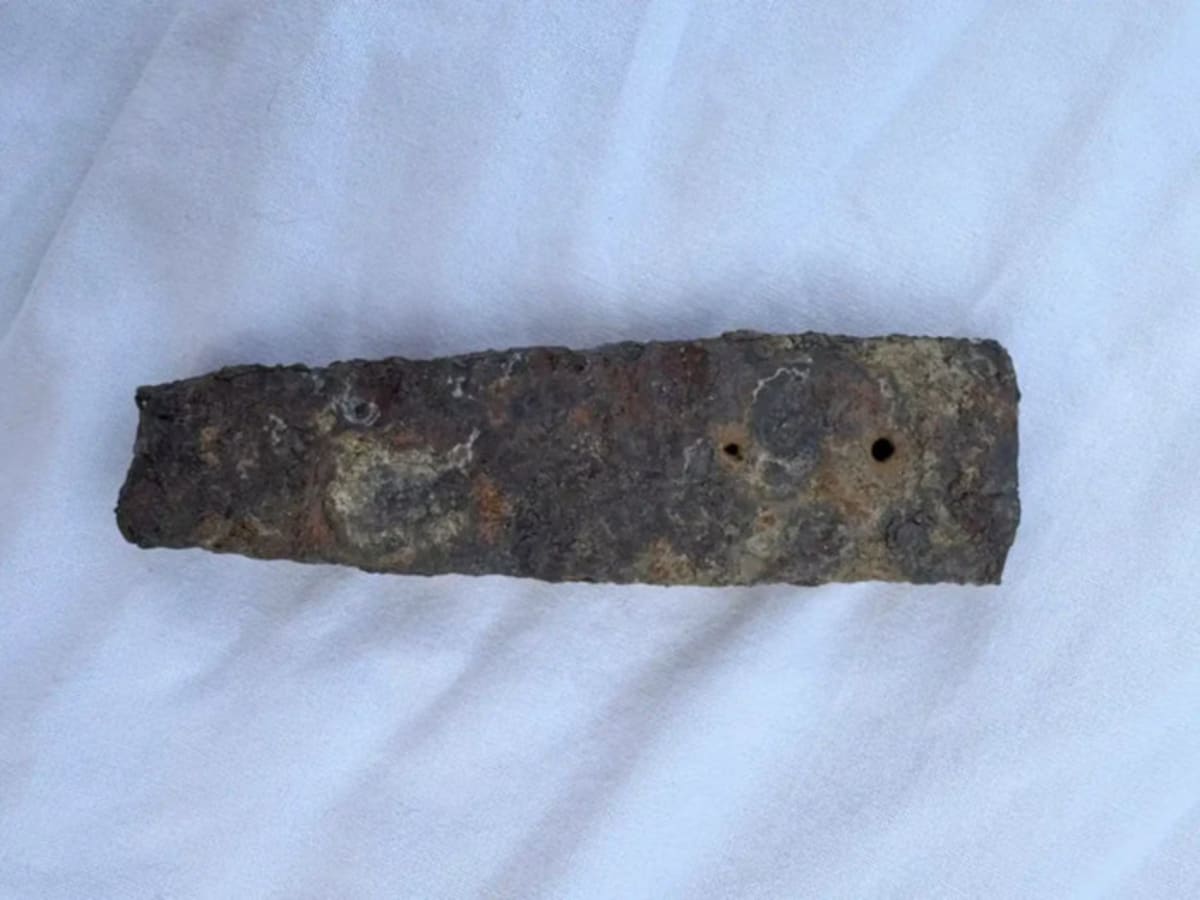
The star of the show is a Roman-era drawplate, a tool used to pull and thin metal wire. This discovery is considered exceptionally rare in Central Europe. Archaeologist Pavel Moš noted that traces of drawn metal wires may still be preserved in the tool's perforations, and the team will use spectrometric analysis to identify what metal was worked through it.
The wire produced by this tool could have been used to make chain mail, connecting this quiet Czech valley to the military might of the Roman Empire. Archaeologists also found a lime kiln likely used by Germanic tribes during the first to fourth centuries A.D. for wall finishing or pottery decoration.
The Ripple Effect
This discovery shows how modern infrastructure projects can become windows into our shared past. By requiring archaeological surveys before construction, we're not losing history to progress but instead uncovering stories that might have stayed buried forever.
The graves found at the site will undergo further analysis, including one Věteřov burial containing an adult and child together, and an unusual Urnfield culture grave with six human skulls placed side by side. Each artifact will receive lab analysis and preservation, with results released over time.
All 1,000+ artifacts will be preserved for future generations, turning a railway route into a treasure trove of human history.
More Images
Based on reporting by Google: ancient artifact found
This story was written by BrightWire based on verified news reports.
Spread the positivity!
Share this good news with someone who needs it