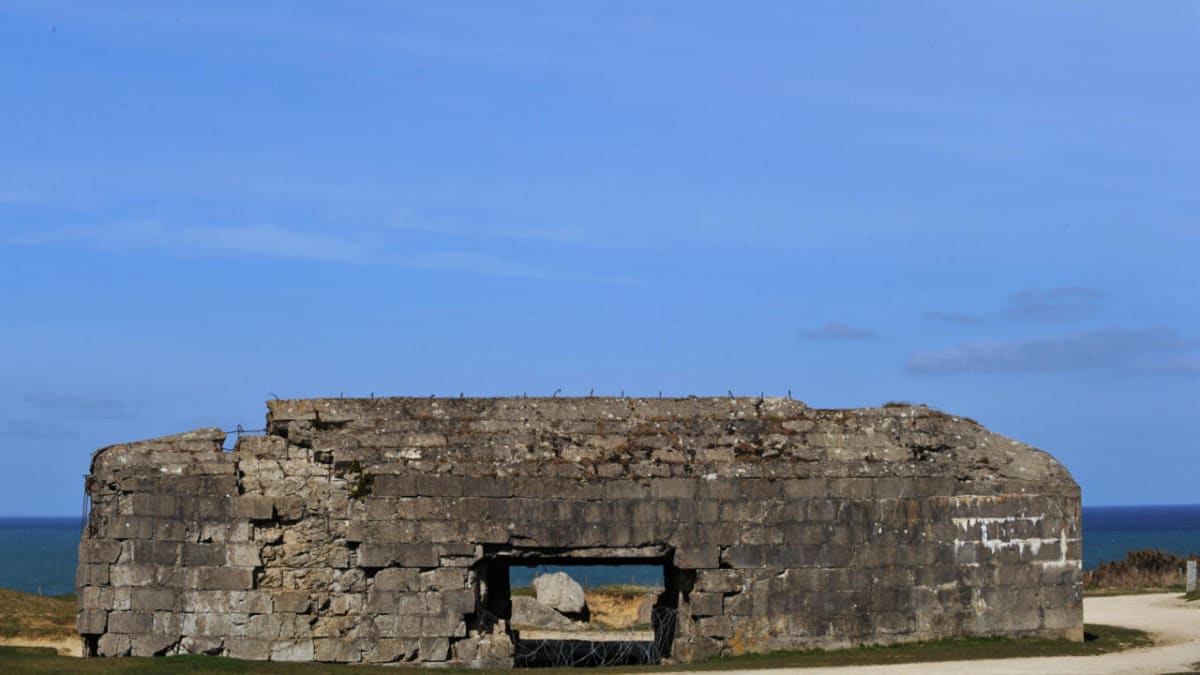
D-Day Beaches Named UNESCO World Heritage Site
The beaches where Allied forces changed the course of World War II just received one of the world's highest honors. UNESCO has officially added Normandy's D-Day landing sites to its World Heritage List, ensuring these symbols of courage and freedom will be protected for generations.
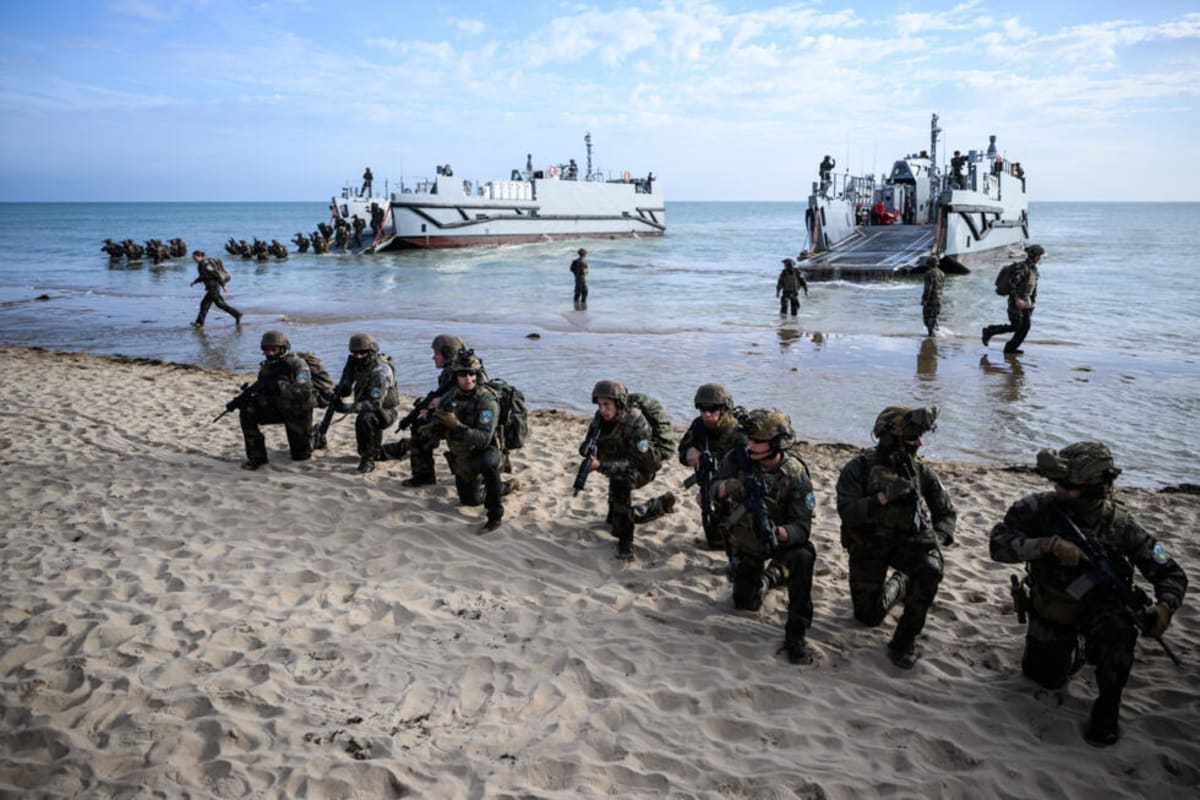
The five beaches where more than 150,000 Allied troops stormed ashore on June 6, 1944, are now officially recognized as irreplaceable treasures of human history.
UNESCO's World Heritage Committee voted Sunday to add the 80-kilometer stretch of Normandy coastline to its prestigious list. The designation covers all five landing beaches (Omaha, Utah, Sword, Gold, and Juno) plus the Pointe du Hoc assault site, where Rangers scaled sheer cliffs under enemy fire.
This isn't just about preserving old bunkers and bomb craters. The sites contain extensive remnants that tell the story of what many historians consider the greatest amphibious landing ever attempted, the operation that enabled the liberation of Western Europe from Nazi occupation.
"This decision places a responsibility upon us," said Hervé Morin, president of the Normandy Region. He emphasized the commitment to preserve, protect, and promote these sites that represent the return of freedom to an entire continent.
Why This Inspires
World Heritage status means these beaches join fewer than 1,200 sites worldwide deemed to have "outstanding universal value" to humanity. They stand alongside the Pyramids of Giza, the Great Wall of China, and the Grand Canyon as places that transcend national borders to belong to all people.
The designation comes with practical benefits too. It brings international resources and expertise to help preserve the sites against modern threats like climate change, rising sea levels, and the wear from millions of visitors who come to pay their respects.
The International Council on Monuments and Sites specifically called for stronger monitoring and preservation efforts. The goal is to ensure that future generations can walk these beaches and understand the sacrifice that secured their freedom.
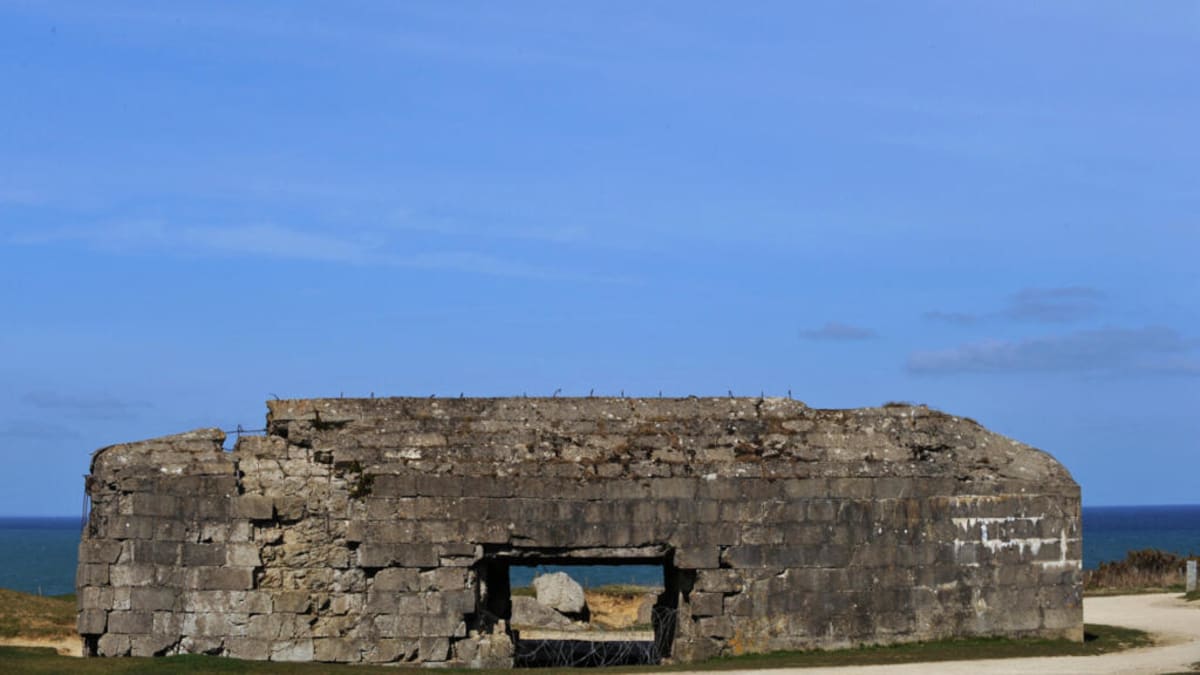
The sites contain haunting reminders of that pivotal day: German fortifications still standing watch over the water, landscapes still scarred by bombs, Allied harbor structures that enabled the massive operation, and sunken vessels resting beneath the waves.
The Ripple Effect
This recognition extends beyond France. Veterans' families from across the Allied nations now have assurance that the places where their loved ones fought and died will be protected with the same care given to humanity's greatest cultural and natural wonders.
The UNESCO committee's meeting in South Korea this week also recognized other significant sites, including Greece's Mount Olympus and South Sudan's first World Heritage site. But the Normandy beaches carry special weight as monuments to the moment when the tide of history turned toward lasting peace in Europe.
Eighty years after D-Day, the physical evidence of that courage is now guaranteed protection for centuries to come.
More Images
Based on reporting by France 24 English
This story was written by BrightWire based on verified news reports.
Spread the positivity!
Share this good news with someone who needs it


%2Fhttps%3A%2F%2Ftf-cmsv2-smithsonianmag-media.s3.amazonaws.com%2Ffiler_public%2F84%2Fbc%2F84bc28e7-5bbe-41da-9bae-d8af3b3e3c4e%2Fupper_mammals_gallery_1911_credit_the_trustees_of_the_natural_history_museum_london.jpg)