Dad Saves Dying Language With Sons' Bedtime Story
A young father is bringing a nearly extinct Indigenous language back to life through a bedtime story written for his sons. With fewer than 10 fluent speakers remaining, Braithen Knox's efforts could change the future of Gudjal language.
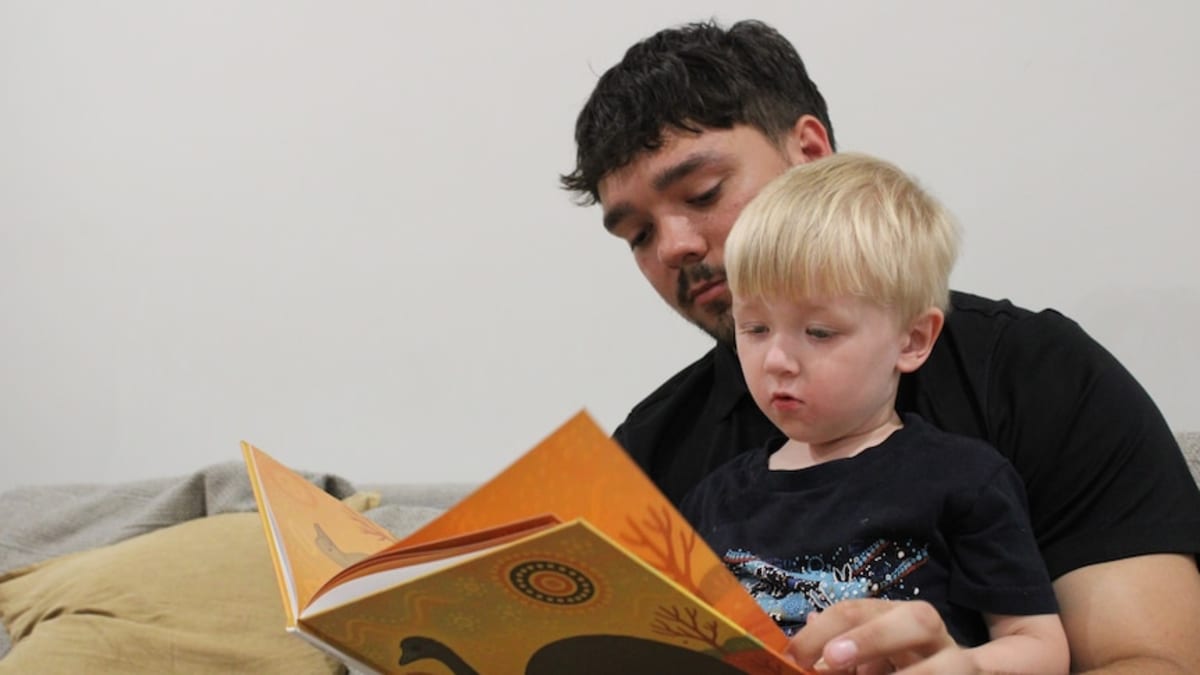
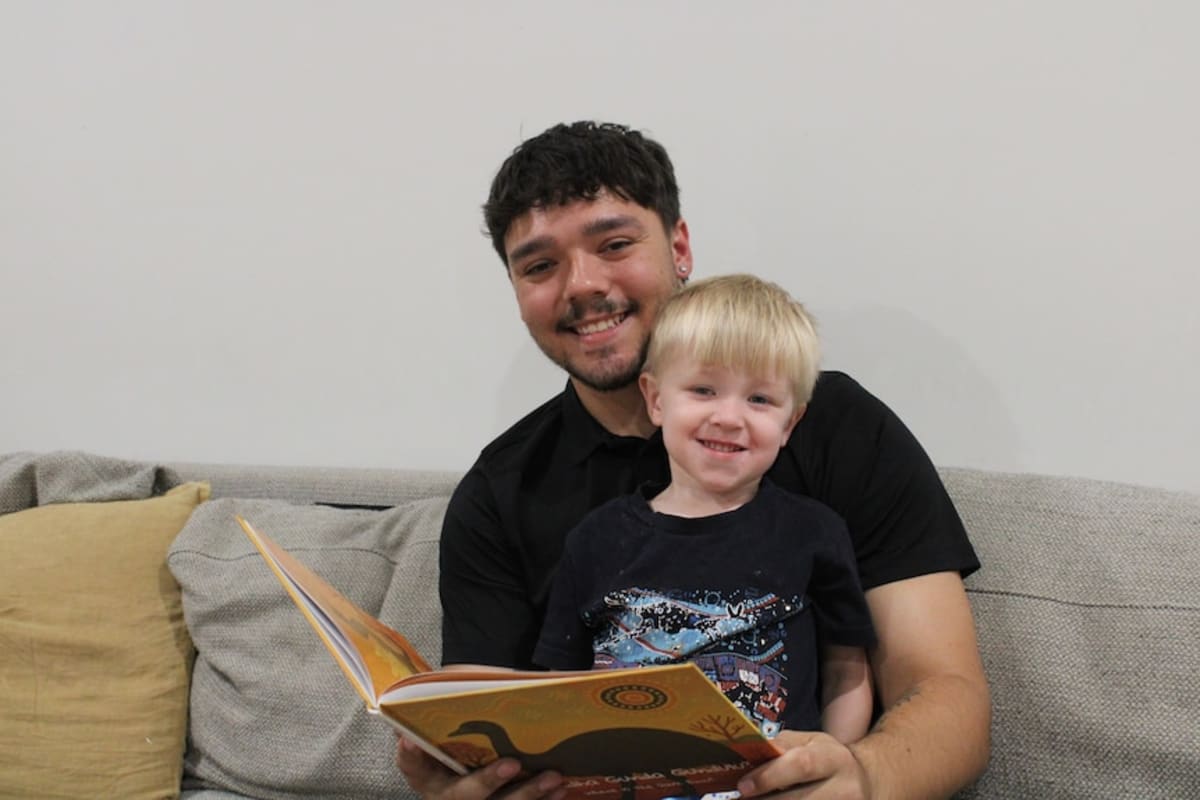
When Braithen Knox tucks his sons into bed, he reads them a story that exists nowhere else in the world.
The 24-year-old Gudjala man wrote "Where is the Dark Emu?" entirely in Gudjal, an Indigenous Australian language spoken by fewer than 10 people. His three-year-old son Mateo can't get enough of it.
Knox's grandparents were part of the Stolen Generations, forcibly removed from their families and forbidden from speaking their native tongue. The trauma runs so deep that many elders today struggle to pass the language on, even when they want to.
"That downward trend I saw, I didn't want to be a part of that," Knox said from his home in Townsville, Queensland. "If I wasn't passing it on to my next generation, then my culture stops in my family."
The book follows a playful search for the Dark Emu, meeting characters like the Happy Emu and Big Emu along the way. Knox chose the emu because it's one of the totems of Charters Towers, the heart of Gudjala country.
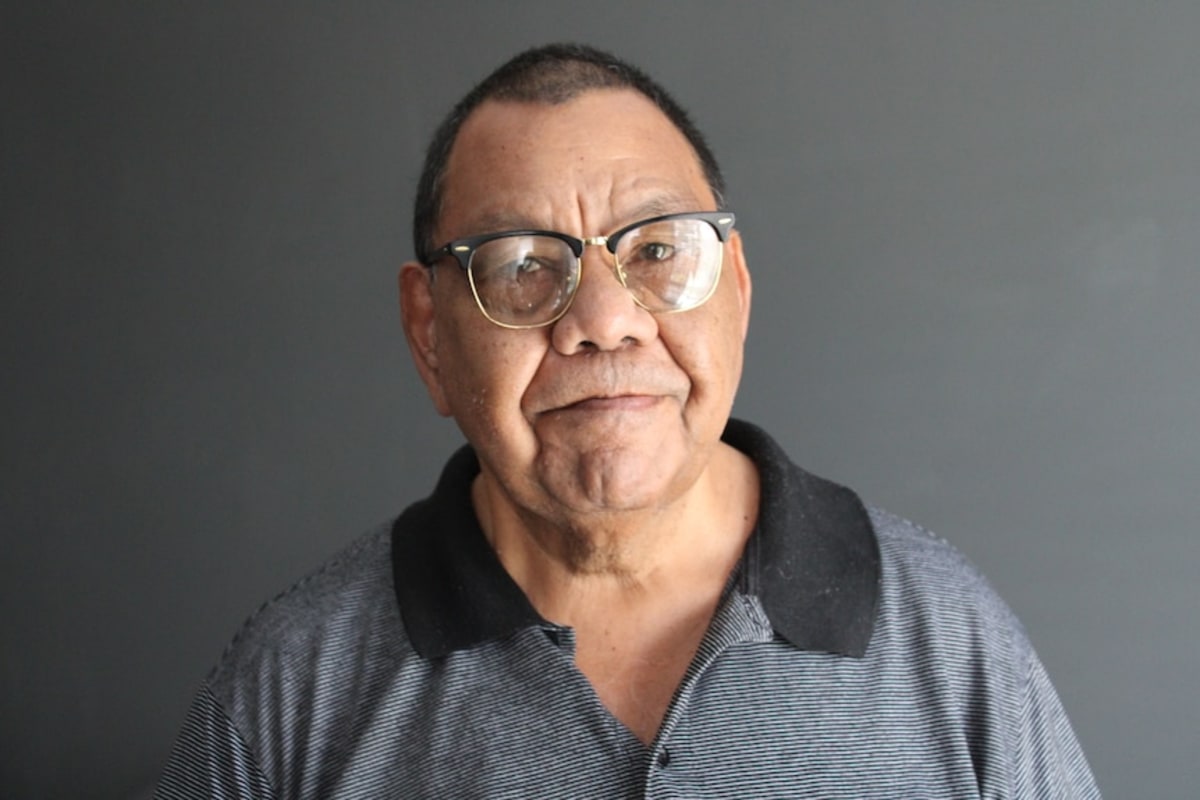
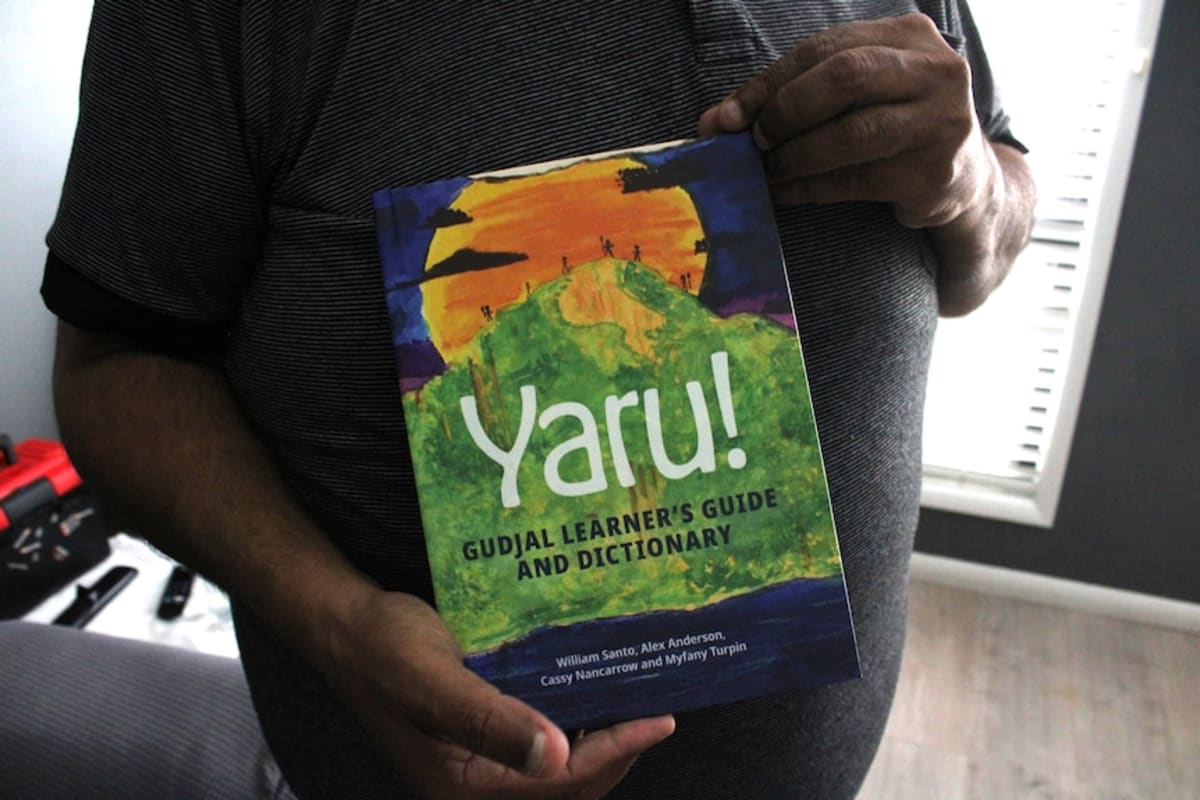
Knox couldn't have written the story without help from William Santo, an elder who spent three years creating a Gudjal dictionary. Santo worked with linguists and university researchers, recording the remaining six speakers to preserve what was left.
"This is not my language, it's my people's language," Santo said proudly when he heard about Knox's book. He created the guide hoping young people would use it exactly this way.
Sunny's Take
Australia has one of the highest rates of language loss in the world. Of the 250 Indigenous languages that flourished before colonization, only about 150 remain today.
But Knox represents a turning point. He's not keeping the book in a library or selling it in stores. It lives where language comes alive: in a child's imagination at bedtime, night after night.
Santo dreams of seeing young people dancing to Gudjal songs and speaking the language freely. Knox is already planning more stories for his two boys.
"We want our kids and their kids to grow up with it, and it just becomes a natural thing," Knox said. "It's not dying. It's growing and it's living."
More Images
Based on reporting by ABC Australia
This story was written by BrightWire based on verified news reports.
Spread the positivity!
Share this good news with someone who needs it