Daily Schedule for NASA's Artemis II Moon Mission
The article details the day-by-day schedule for NASA's Artemis II mission, a nearly 10-day test flight that will send four astronauts around the Moon and back to Earth. The crew includes NASA astronauts Reid Wiseman, Victor Glover, and Christina Koch, plus Canadian Space Agency astronaut Jeremy Hansen. The schedule covers activities from launch day through landing, including system checks, exercise routines, lunar flyby, and Earth observation opportunities. --- # BRIGHTWIRE ARTICLE TITLE: Four Astronauts Set for Historic Moon Orbit This April SUMMARY: NASA's Artemis II mission will send four astronauts around the Moon in April 2026, marking humanity's first crewed lunar journey in over 50 years. The 10-day mission tests critical systems for future Moon landings.
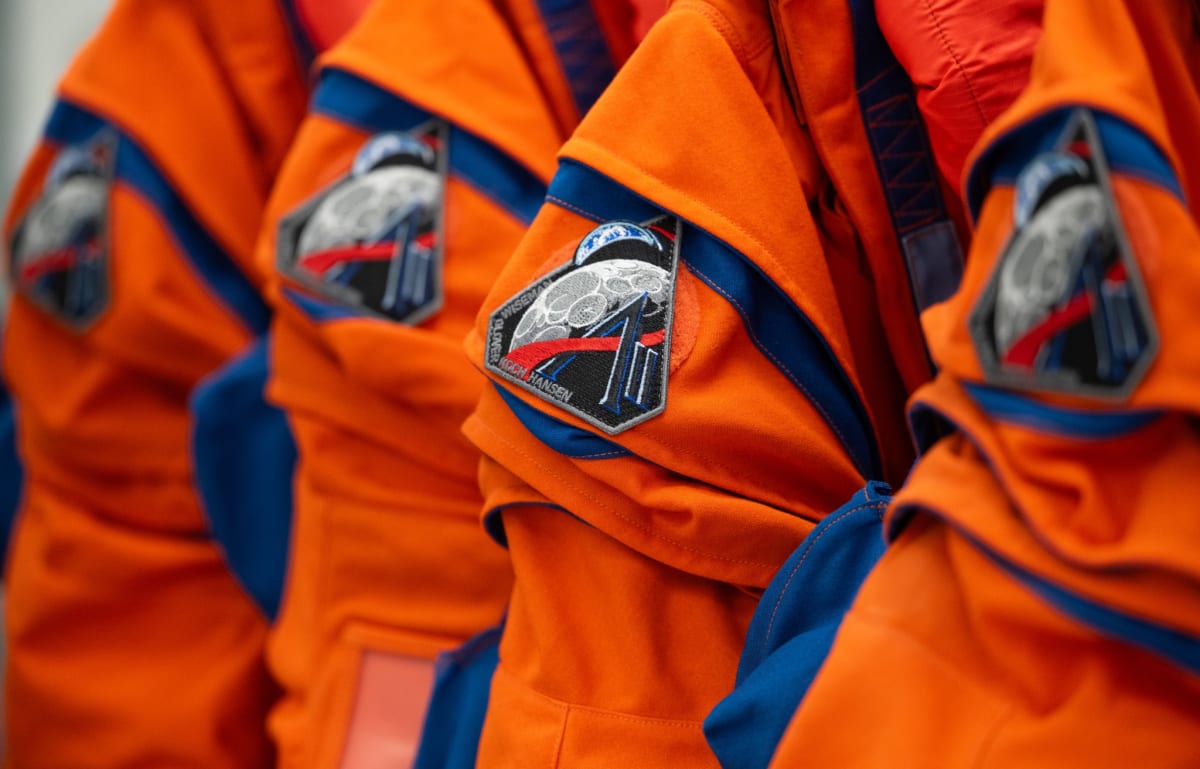
Four astronauts are preparing for a journey that will take them farther from Earth than any human has traveled in more than half a century. NASA's Artemis II mission launches in April 2026, sending Reid Wiseman, Victor Glover, Christina Koch, and Canadian astronaut Jeremy Hansen on a 10-day trip around the Moon.
Eight minutes after liftoff, the Orion spacecraft will reach space with its crew aboard. The mission represents a major milestone: Glover will become the first Black astronaut to travel to the Moon, while Koch will be the first woman to make the journey.
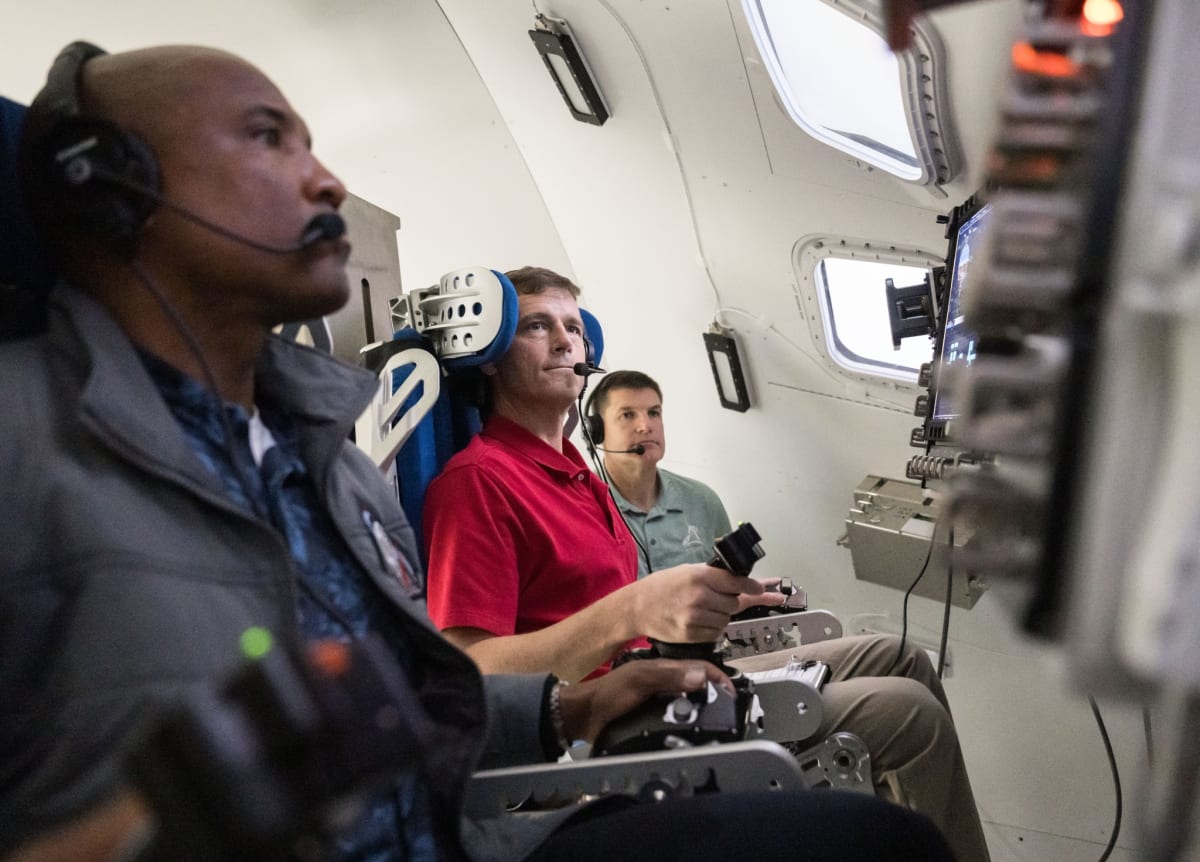
The first day packs in crucial tests. The crew will check Orion's water dispenser, toilet, and air purification systems while still relatively close to Earth. They'll also practice piloting maneuvers, guiding their spacecraft toward and around a practice target to prepare for future docking operations.
On day two, the main event happens: a rocket burn that sets Orion on course for the Moon. This single maneuver both sends them toward the lunar surface and sets up their return path home. The crew will test exercise equipment and complete their first workouts, keeping their bodies strong in weightlessness.
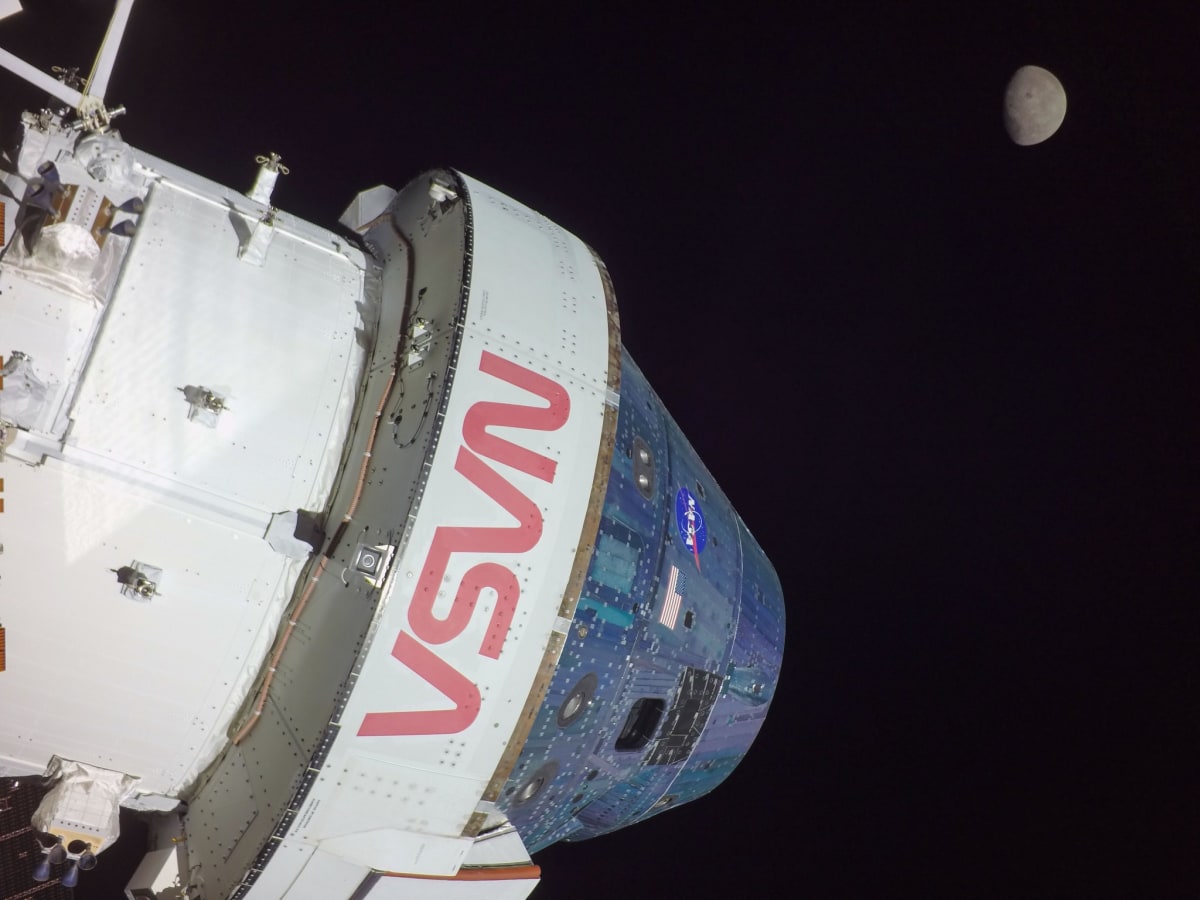
Days three through five bring the closest approach to the Moon. Orion will swing around the far side at just 10,000 kilometers above the lunar surface. The astronauts will capture photos and video of Earth rising over the Moon's horizon, recreating the iconic images from Apollo missions with modern technology.
The Ripple Effect
This mission opens the door for regular human travel beyond Earth orbit. Every system test, every procedure the crew completes, brings NASA closer to landing astronauts on the Moon's south pole. That future Artemis III mission, planned for 2027, will include the first woman and first person of color to walk on the lunar surface.
The international partnership also sets a precedent. Canada's contribution of robotics and technology earned Hansen a seat on this historic flight, showing how countries can work together to explore space.
Meanwhile, the data collected will help scientists understand how the human body responds to deep space radiation and extended time in microgravity. This knowledge becomes essential for even longer journeys, including potential Mars missions in the 2030s.
After circling the Moon, the crew spends several days traveling back toward Earth. They'll have scheduled exercise sessions, system maintenance, and opportunities to share their experience through video calls with people on the ground.
On day 10, Orion splashes down in the Pacific Ocean. The crew emerges having proven that humans can safely travel to the Moon and back in a modern spacecraft, completing the most important test flight since the Apollo era.
The mission turns decades of engineering, training, and international cooperation into reality, bringing the dream of a permanent human presence beyond Earth one giant leap closer.
More Images
Based on reporting by NASA
This story was written by BrightWire based on verified news reports.
Spread the positivity!
Share this good news with someone who needs it