Dairy Farms Cut Emissions With Solar Power and Smart Practices
Four major organic food companies are teaming up to help dairy farms go green with solar panels, innovative cow feed, and better manure systems. Every climate solution gets verified and tracked so everyone can see the real impact.
America's organic dairy farms are getting a major green upgrade, and the whole food industry is pitching in to make it happen.
Organic Valley, Stonyfield Organic, UNFI, and Whole Foods Market just launched a first-of-its-kind program where everyone in the supply chain works together to cut emissions at the farm level. Instead of companies buying carbon credits from faraway projects, they're investing directly in the farmers who grow their food.
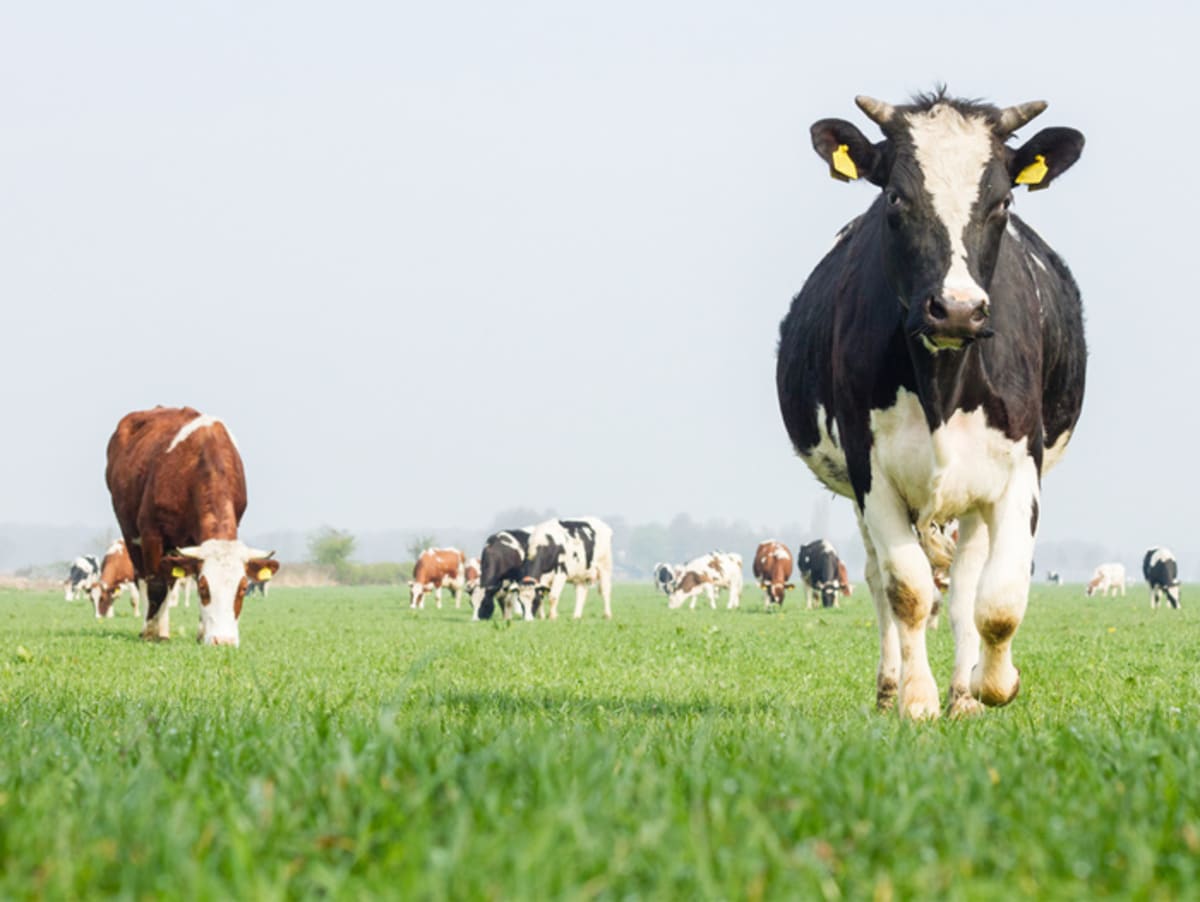
Here's what's happening on the ground. Dairy farms across the country are installing solar panels to generate clean energy instead of relying on fossil fuels. They're using special feed additives made from essential oils that help cows produce less methane. New manure management systems are separating and treating waste to further reduce greenhouse gas emissions.
The program creates something called Verified Impact Units, which work like a public scoreboard for climate action. Every emission reduction gets measured by independent experts and posted on a platform called SustainCERT VIVID, so there's complete transparency about who's doing what.
"By the time a product reaches your local grocery store, multiple supply chain partners have played a role in bringing it there," said Alisha Real, vice president of sustainability at UNFI. This collaboration means farmers, manufacturers, distributors, and retailers all share the responsibility and the credit for cutting emissions together.
The model is designed to scale, meaning what works on one farm can spread to hundreds more. Organic Valley's cooperative includes more than 1,500 family farms, giving the program massive potential reach.
The Ripple Effect
This partnership shows what happens when businesses stop competing and start collaborating on climate solutions. Farmers get financial support for expensive green upgrades they couldn't afford alone. Food companies lower their carbon footprints in ways that actually matter. Shoppers get products with verified environmental benefits instead of vague green promises.
The transparency piece matters too. Every Verified Impact Unit gets tracked to prevent double counting, building real trust with consumers who are tired of greenwashing. When you see organic dairy products from these companies, you'll know exactly what climate actions your money supported.
Caitlin Leibert from Amazon Worldwide Grocery called it "an innovative new model for producing food" that rethinks how we care for land and support farmers. The best part? Grazing cows in organic systems already have a smaller climate footprint than conventional dairy, so these improvements make a good system even better.
Every business involved can now point to specific, measurable climate wins happening on real farms with real families doing the daily work of feeding America while protecting the planet.
Based on reporting by Google News - Climate Solution
This story was written by BrightWire based on verified news reports.
Spread the positivity!
Share this good news with someone who needs it