Dakota Healing Ride and Mankato Find Common Ground
A sacred horse ride honoring Dakota history is bringing city officials and Indigenous leaders together to find solutions that respect both ceremony and community needs. After years of confusion over costs and terminology, both sides say they're hopeful about building a true partnership.
Indigenous leaders and city officials in Mankato, Minnesota are working through challenges to support a powerful ceremony that's been healing communities for years.
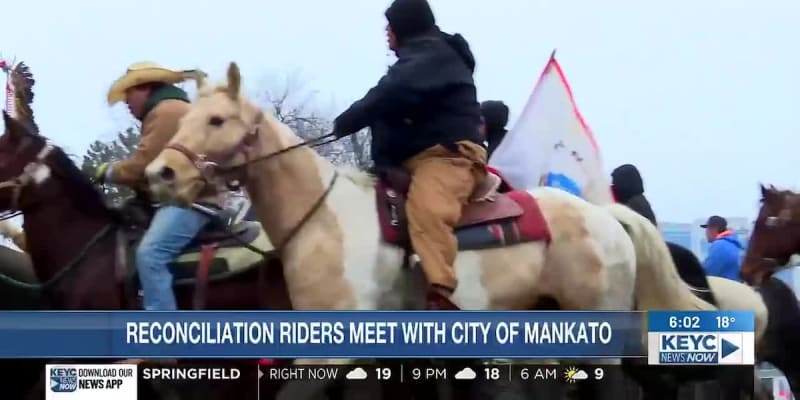
The Makatoh Reconciliation and Healing Horse ride brings together Dakota people and their allies each year to honor their ancestors and promote healing. Native Elder Wilfred Keeble explains that the ride isn't just an event. It's a sacred ceremony protected under the 1978 American Indian Religious Freedom Act.
The recent meeting tackled growing pains head-on. Costs for city services like street closures, cleanup, and law enforcement escorts have jumped from $650 in 2017 to over $2,000 in 2025. Records from 2020 to 2023 went missing entirely, creating confusion about who paid what.
But the real sticking point runs deeper than money. The city calls it a "special event" requiring permits and fees. The riders see it as a protected religious ceremony that shouldn't face obstacles like parking permits or restrictions on traditional practices like setting up teepees or building ceremonial fires.
"What we're trying to get across is that the ride is a ceremony," Keeble shared. "Our ceremonies are prayer."
The Ripple Effect
This conversation is creating waves beyond one annual ride. The Dakota-led network Mahkato Okawitaya is building bridges between Indigenous and non-Indigenous communities on ancestral Dakota homelands. Their work centers Dakota voices while educating people about what it means to honor traditional culture and promote intergenerational healing.
The organization focuses on creating spaces where Dakota people can return to gather, reconnect with ancestral ways, and practice healing ceremonies without hindrance. They're supporting the next generation in reclaiming Dakota identity while partnering with settler descendants who want to learn and support genuine reconciliation.
Despite the challenges, both sides left the meeting with something precious: hope. City officials committed to more conversations and finding solutions that work for everyone. Keeble sees the potential for real partnership ahead.
"Hopefully we can come to some kind of agreement where it's gonna work and benefit both entities," he said. "We got a good response from them. So yeah, it's hopeful."
Based on reporting by Google News - Reconciliation
This story was written by BrightWire based on verified news reports.
Spread the positivity!
Share this good news with someone who needs it