Dakota Healing Ride Welcomed in Minnesota Town's History
A once-divided Minnesota town now opens its doors to Indigenous riders honoring 38 Dakota men executed in 1862. Volunteers in New Ulm are transforming painful history into meaningful reconciliation.
Each December, Dakota riders travel hundreds of miles on horseback through freezing Minnesota winters, carrying prayers and eagle feathers to honor ancestors lost to America's largest mass execution. This year, the town once marked by that conflict rolled out the welcome mat.
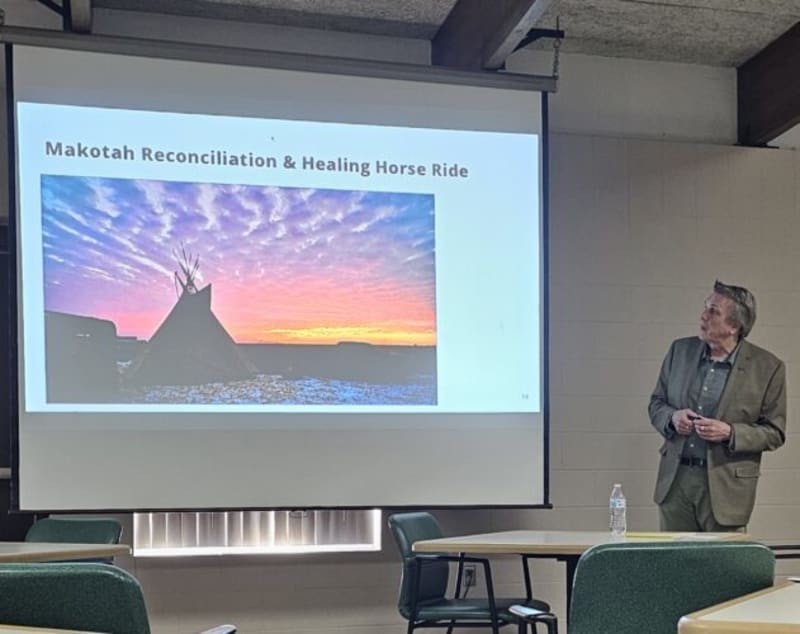
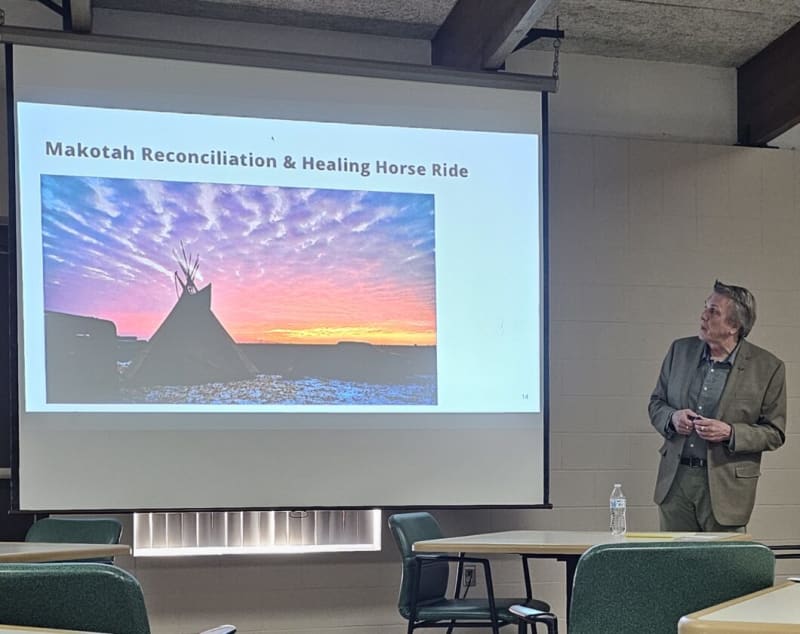
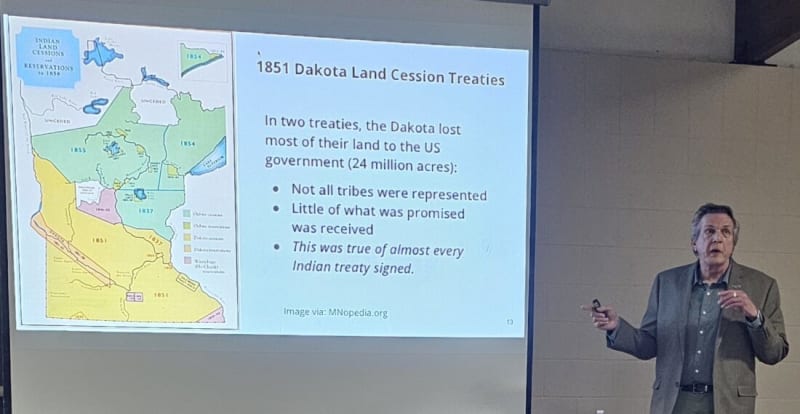
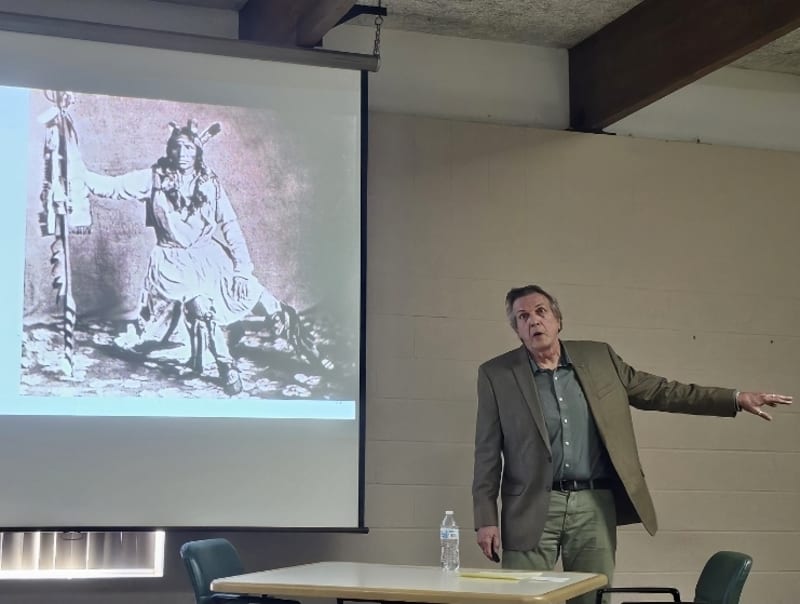
The Makatoh Reconciliation and Healing Horse Ride honors 38 Dakota men executed in Mankato in 1862, following the U.S.-Dakota War. For nearly two decades, riders have made this sacred journey, but welcoming them hasn't always been easy in communities where the history remains raw.
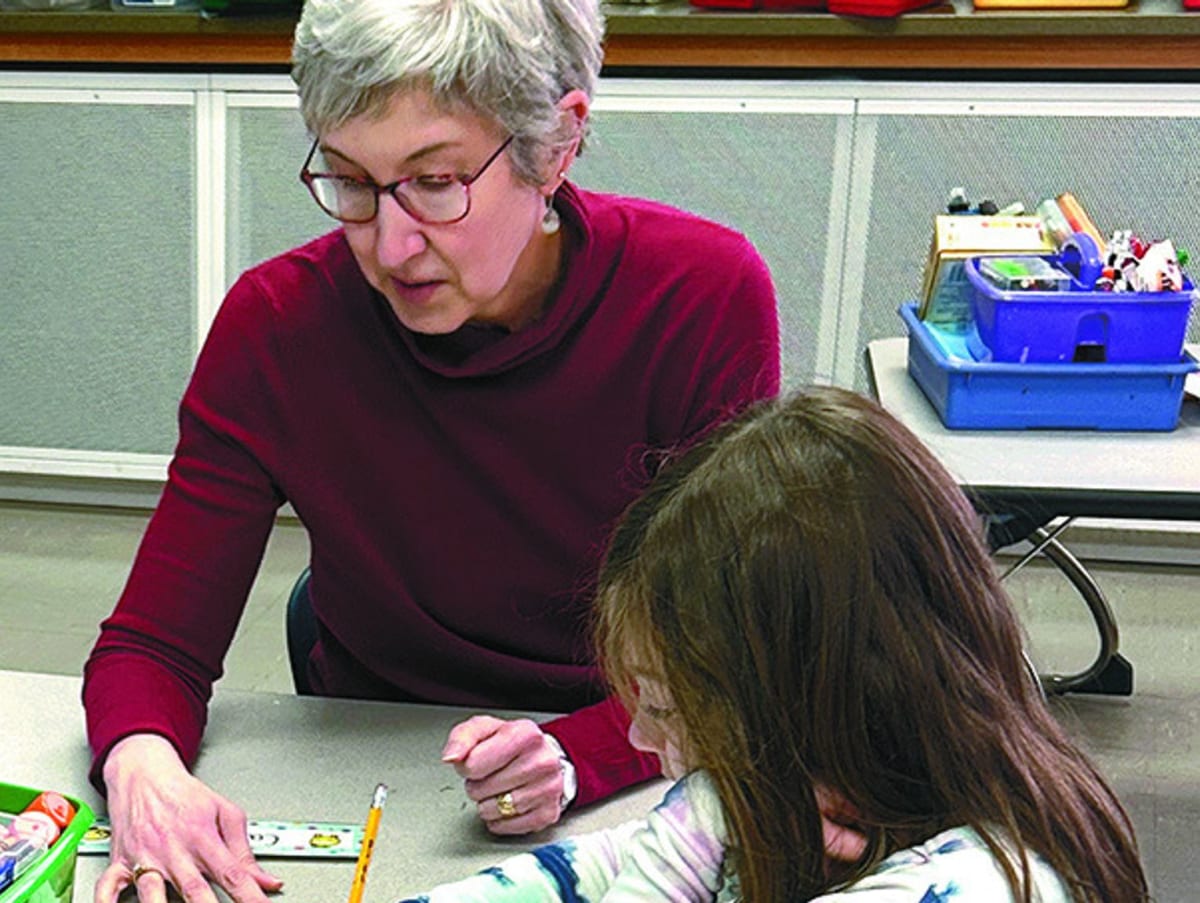
New Ulm was a flashpoint during that 1862 conflict. Today, residents like retired teacher Colleen Hokinson are rewriting that story by organizing lodging, securing horse care, and building bridges one conversation at a time.
"The story is probably one of the most powerful stories of my life," Hokinson said after learning about the ride. She promised ride leader Wilfred Keeble she'd find lodging for every rider if they came through New Ulm.
A small volunteer group delivered on that promise. They arranged space at the Community Center and Brown County Fairgrounds, deliberately choosing locations that felt welcoming rather than historically fraught.
The gesture carries weight. Riders reportedly faced gunfire along the route in 2022, making New Ulm's open arms especially meaningful.
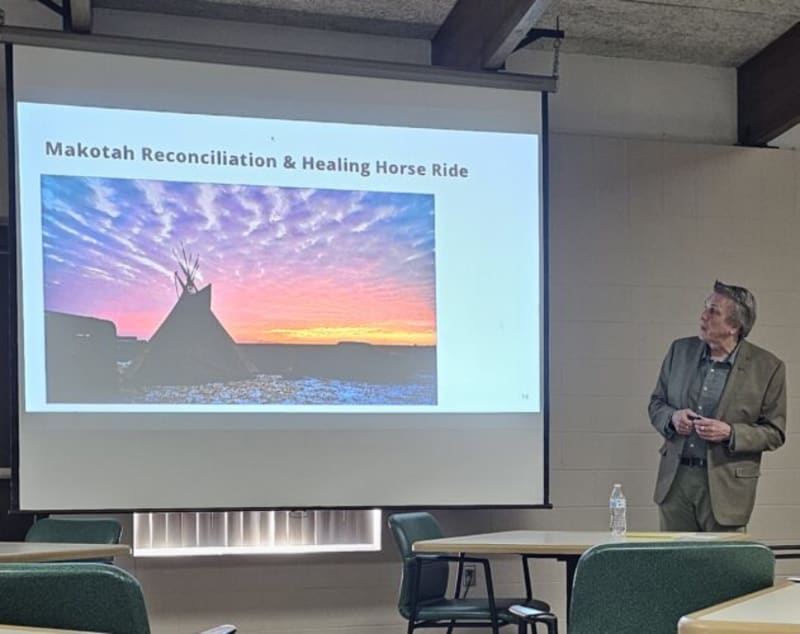
Documentary filmmaker John Kellen, who has worked with Indigenous communities for 40 years, recently shared the ride's history with New Ulm residents. He explained how "Makatoh," meaning "blue earth," represents sacred Dakota medicine for healing.
The ride resumed in 2024 after pausing to honor Dakota mourning traditions following founder Jim Miller's death in 2022. Miller, a Lakota elder and Vietnam veteran, started the ride in 2006 as a path to healing his own pain from alcoholism and trauma.
The Ripple Effect
Today's ride reaches far beyond remembrance. Young riders learn traditional practices that strengthen cultural identity and address modern challenges like addiction and disconnection.
Keeble now invites select non-Native riders to participate, opening new pathways to understanding. Kellen described watching Dakota children bond with a non-Native rider's mule named Banjo at New Ulm's soccer field, a simple moment showing how connection transcends old divisions.
The horses themselves carry spiritual meaning in Dakota culture, representing six directions with the rider as the seventh: the human connection to all things. A riderless horse accompanies each journey, honoring those no longer present.
Growing community support in New Ulm signals what's possible when people choose curiosity over fear. Volunteers who once knew little about Dakota history now understand the land beneath their feet as ancient homeland, inhabited for 14,000 years.
Every winter ride through Fifth Street Hill navigates complex history with prayer and purpose, and now increasingly with partnership.
More Images
Based on reporting by Google News - Reconciliation
This story was written by BrightWire based on verified news reports.
Spread the positivity!
Share this good news with someone who needs it