Dallas Company Teams with Feds to Save 2,300 Species
A Dallas biotech company just launched a groundbreaking partnership with the U.S. Fish and Wildlife Service to create a global network of genetic biobanks that could protect thousands of endangered species from extinction. The project will make all data publicly available to researchers worldwide.
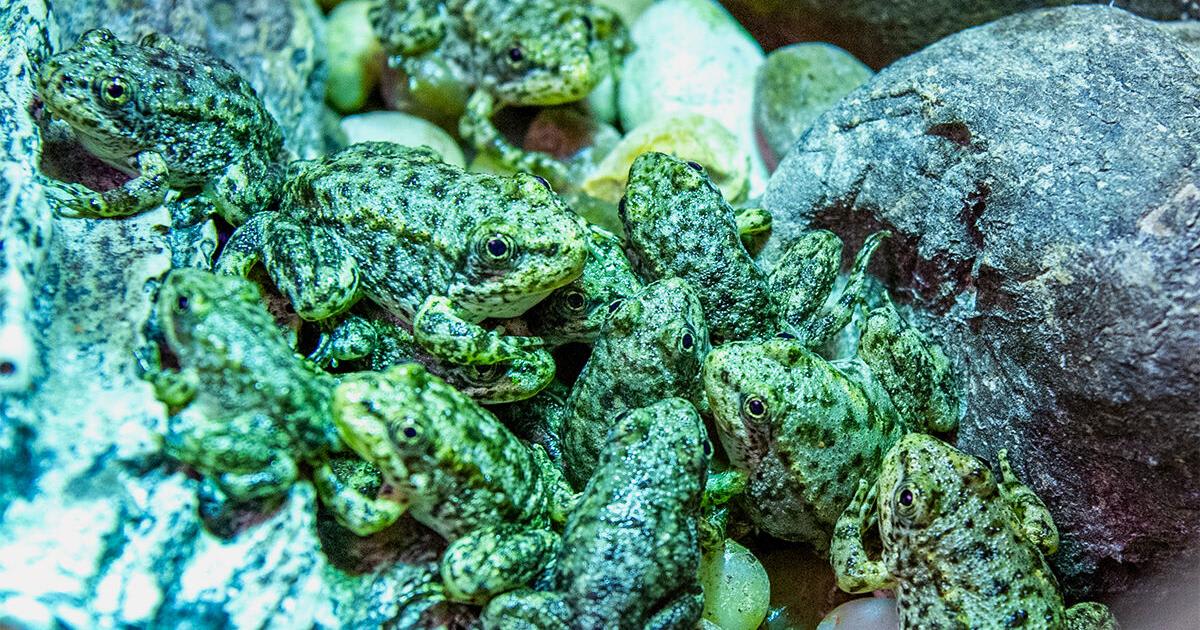
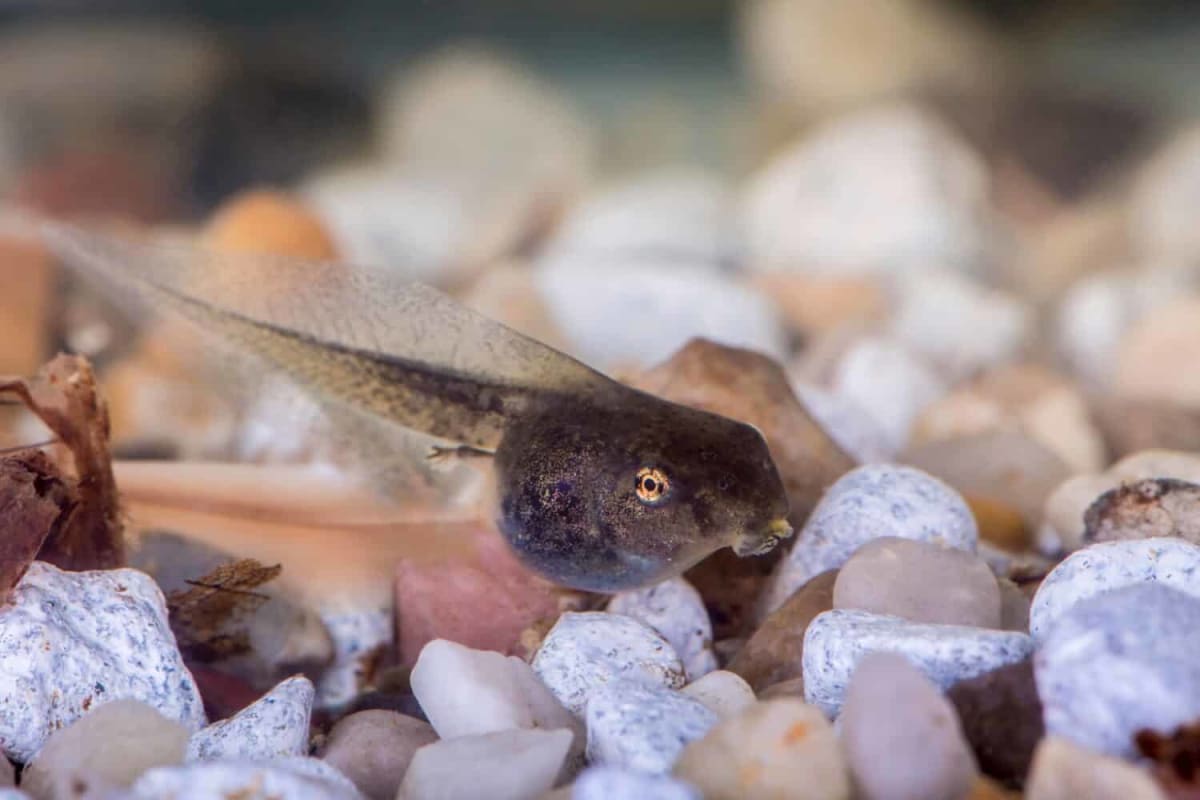
More than 2,300 plant and animal species are at risk of disappearing forever, but a Dallas company is building a scientific lifeline that could save them all.
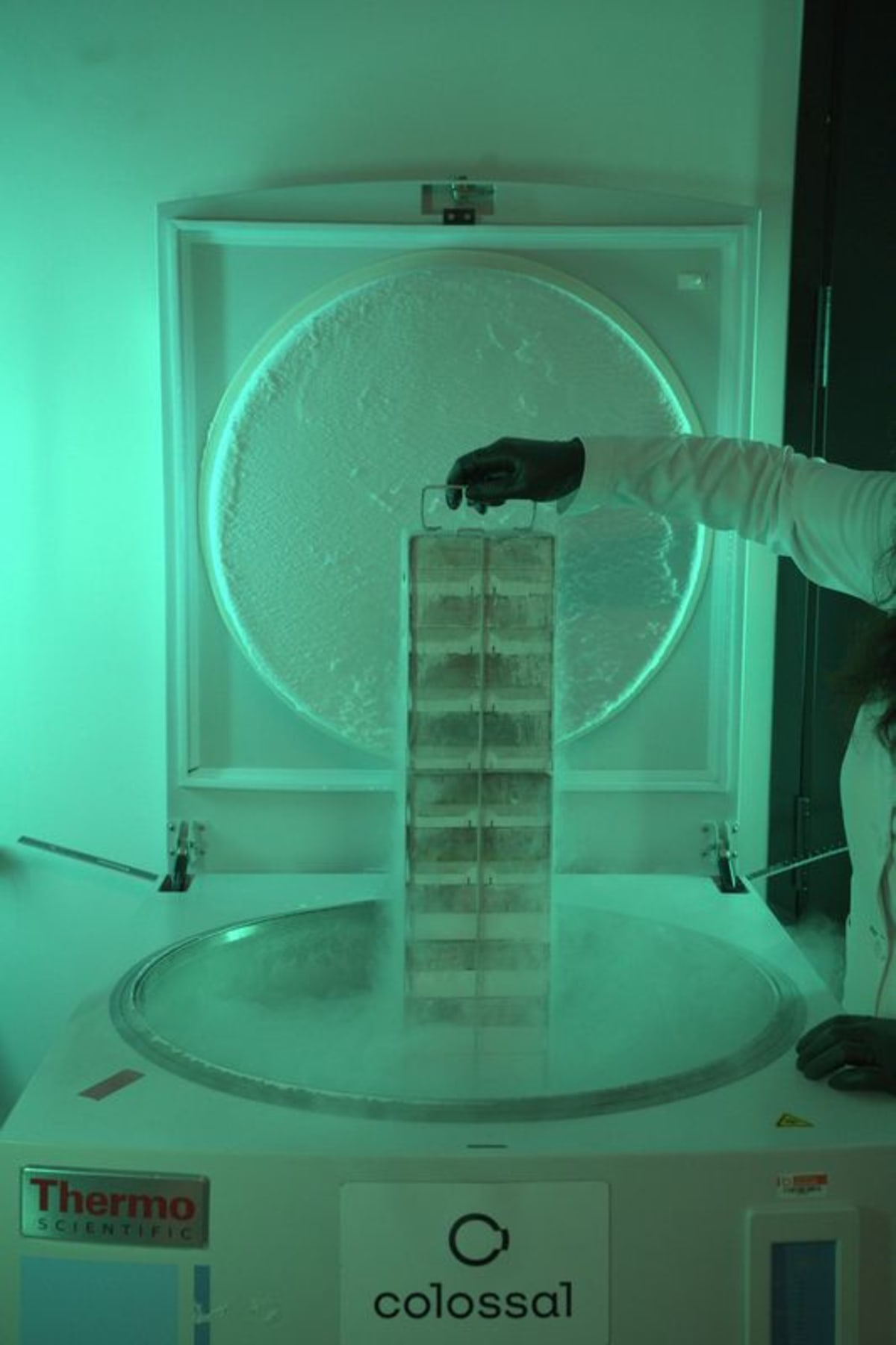
Colossal Biosciences announced a partnership with the U.S. Fish and Wildlife Service to create a global network of genetic archives for endangered species. The biobanks will store living cells, reproductive tissues, and DNA samples using cryostasis, a freezing process that preserves genetic material for decades.
"What we want to do is create this collaborative network of researchers that are all working towards the same goal: species protection," said Ben Lamm, Colossal's CEO and co-founder. The company plans to establish five to 10 biobanks worldwide, spanning North America, Europe, and Africa.
The project goes beyond simply freezing samples. Researchers will sequence the genetic material and make all data publicly available, giving scientists, wildlife managers, and conservation organizations around the world free access to critical information.
Matt James, Colossal's chief animal officer, explained that the biobanks serve as both insurance and active research tools. "We're not just saving these animals in frozen tanks and hoping that one day we don't have to use them to bring the species back," James said. "We're actively using the resources to better understand the species."
The timing couldn't be more urgent. Scientists estimate that between 0.01% and 0.1% of all species go extinct each year, driven largely by human activity and habitat destruction.
The Ripple Effect
This partnership represents a new model for conservation, one that combines cutting-edge biotechnology with traditional wildlife protection efforts. By making the genetic data freely available, the project empowers researchers everywhere to develop better strategies for disease mitigation, climate adaptation, and species recovery.
James Bednaz, a conservation biology professor at the University of North Texas, called the project worthwhile given the increasing pressures on biodiversity. U.S. Fish and Wildlife Service Director Brian Nesvik emphasized the importance of applying the best available science to conserve America's natural heritage.
The biobank network will work with conservation researchers, recovery programs, and rapid deployment teams to collect samples from endangered species before it's too late. Each preserved sample represents not just genetic material, but hope for future generations to see these species thrive.
This collaboration shows how public and private partnerships can tackle seemingly insurmountable challenges with innovation and shared purpose.
Based on reporting by Google: species saved endangered
This story was written by BrightWire based on verified news reports.
Spread the positivity!
Share this good news with someone who needs it