Damascus Jews Work to Revive Kosher Food Traditions
Syria's tiny Jewish community is finding creative ways to keep centuries-old kosher traditions alive in Damascus, relying on imports, family packages, and plans to bring certified butchers back to the city. Despite dwindling to fewer than 100 people, they're determined to preserve their heritage.
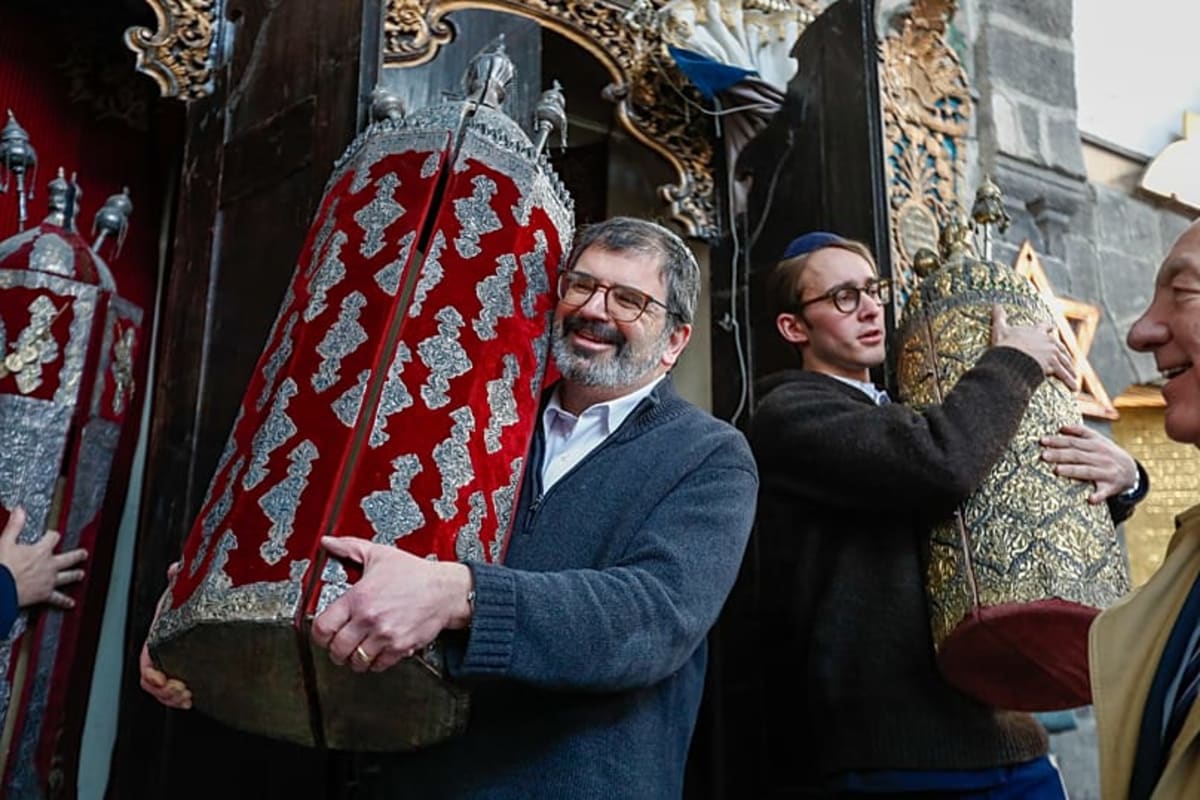
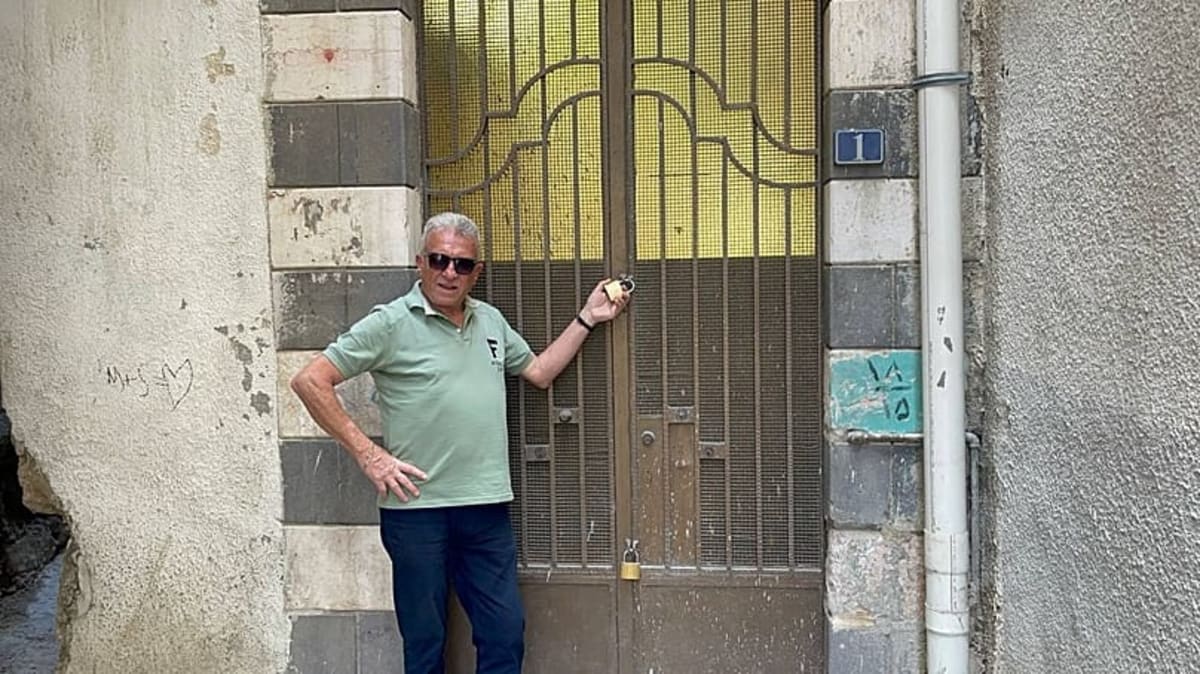
In the narrow stone alleys of Damascus's ancient Jewish Quarter, fewer than 100 Jewish people are working to keep a culinary tradition alive that once fed tens of thousands.
Bakhor Shamntoub, head of Syria's Jewish community, has a plan to bring kosher food back to Damascus after years of relying on frozen meat from Turkey and care packages from relatives in the United States. He's working to recruit a certified Jewish butcher to revive local kosher meat production for the first time since the last qualified butcher left the country.
The challenge goes beyond simple logistics. Kosher law requires the butcher to be Jewish and officially certified, using a pure diamond blade to ensure a swift, painless cut. The butcher must then inspect the animal for disease using traditional methods passed down through generations.
Before the fall of the Assad regime in December 2024, the community imported kosher meat regularly from Turkey. When that supply chain broke down, Shamntoub began carrying meat himself on trips, while relatives abroad sent frozen packages to help bridge the gap.
The Semiramis Hotel in Damascus's Old City recently opened a section serving Jewish cuisine, using imported meat and brand-new cookware to meet kosher requirements. It's a small step, but one that signals growing interest in preserving Jewish cultural heritage in Syria.
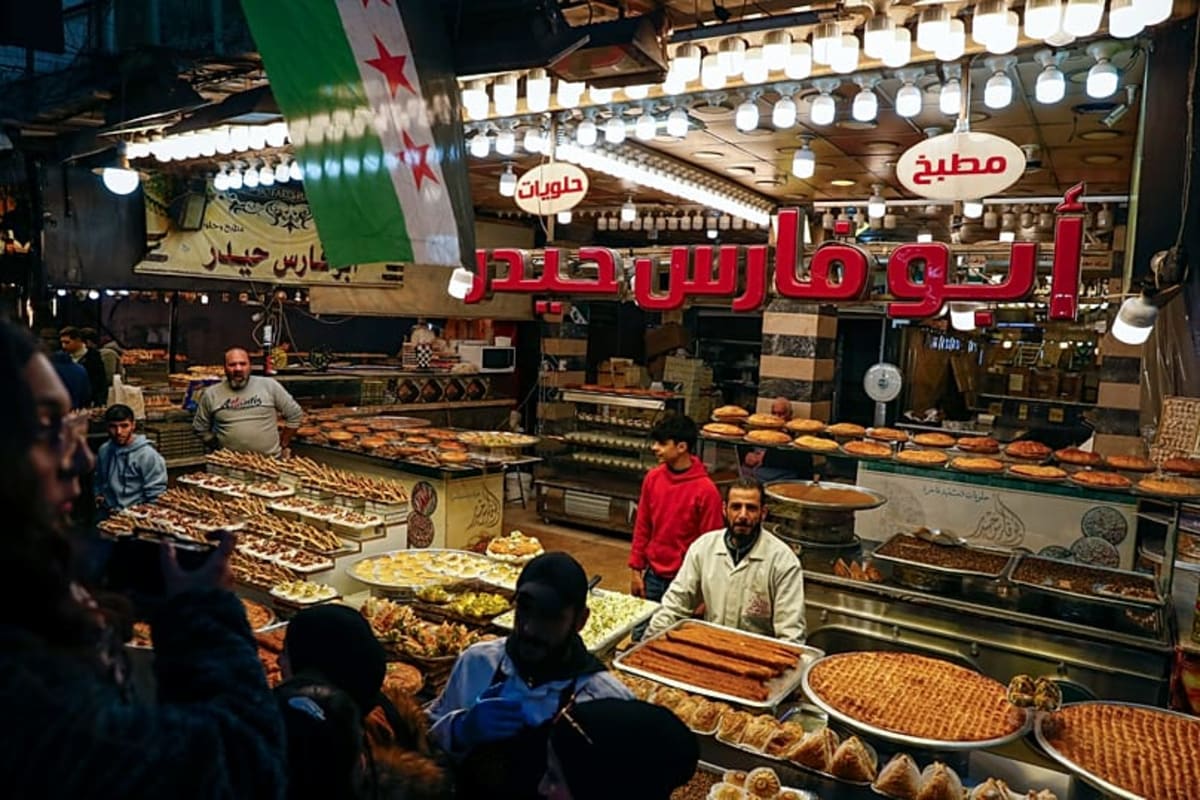
For now, community members get creative. When eating at regular Damascus restaurants, Shamntoub orders vegetarian dishes like hummus or ful, a fava bean stew. Fish is another option, since it doesn't require the same strict preparation rules as meat.
The Ripple Effect
The effort to restore kosher food in Damascus could do more than feed a small community. If tourism grows and Jewish diaspora members begin visiting regularly, Shamntoub envisions proper slaughterhouses and multiple certified butchers serving both residents and visitors.
Some Damascus restaurant owners see potential in kosher dining to attract Jewish travelers from around the world, helping rebuild connections to a community that's been largely absent for decades. Others are proceeding cautiously, mindful of both economic realities and the need for the security situation to improve.
The work requires patience and persistence. Shamntoub stores what meat he can bring back in refrigerators, rationing supplies for community members and the occasional visitor who stays for a few weeks. Every plate, pot, and pan used for kosher cooking must be completely new and dedicated solely to that purpose.
What matters most to Shamntoub isn't opening fancy restaurants right now—it's ensuring that when a Jewish person visits Damascus, they can eat food prepared according to traditions their ancestors followed in these same streets for centuries.
More Images

Based on reporting by Euronews
This story was written by BrightWire based on verified news reports.
Spread the positivity!
Share this good news with someone who needs it