Dancer Reclaims Life 24 Years After Brain Tumor Surgery
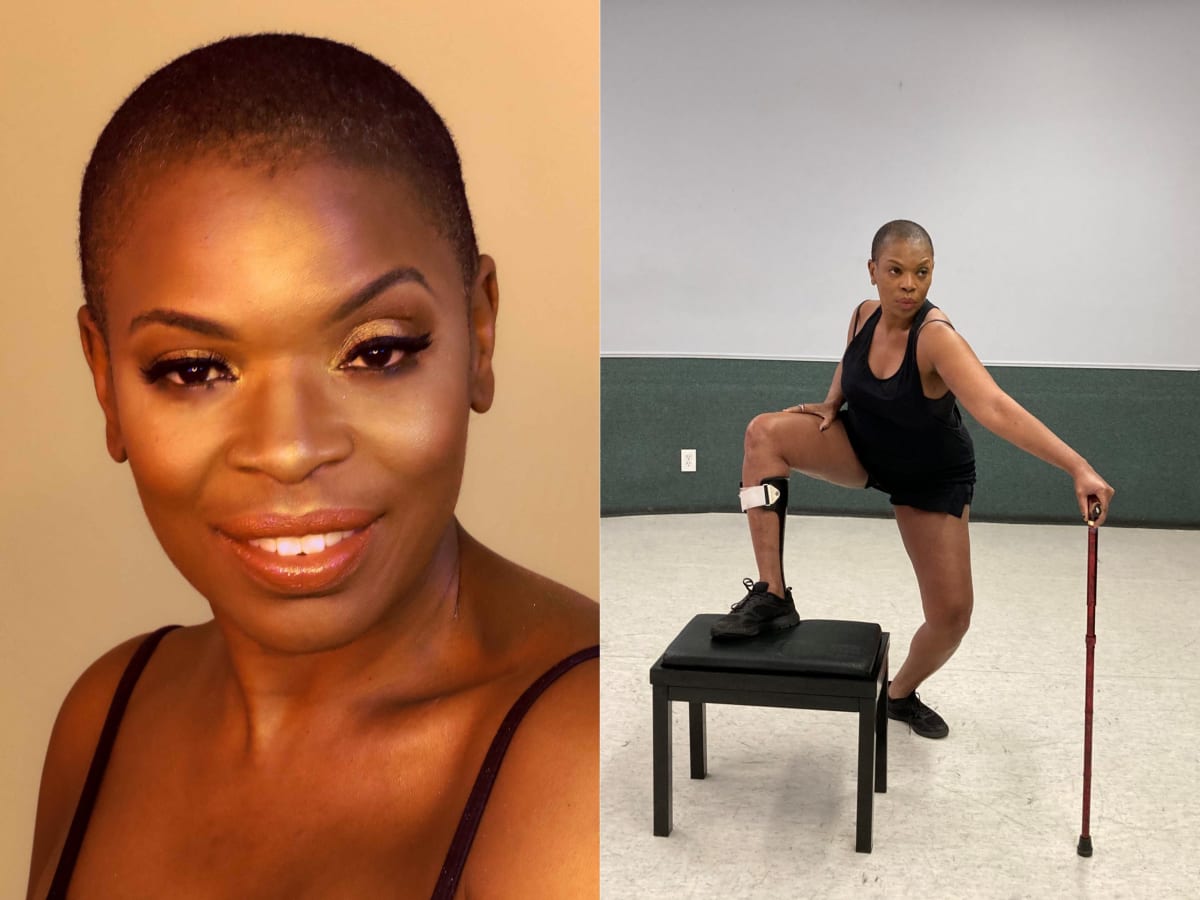
Former model Zazel-Chavah O'Garra woke from brain surgery partially paralyzed, but refused to let disability end her dreams. Twenty-four years later, she's thriving as a social worker, dance company founder, and advocate helping others navigate life after diagnosis.
When Zazel-Chavah O'Garra woke from 12-hour brain surgery at age 38, nurses stood over her portfolio whispering how sad it was that she was "no longer beautiful." She decided right then they were wrong.
The New York City dancer and model had just had a golf ball-sized tumor removed from her brain. Her right side was paralyzed, her speech impaired, and doctors offered little hope for recovery.
But O'Garra had other plans. Drawing on stories of strong Black women who "made a way out of no way," she surrounded herself with supportive friends and family who believed God had more work for her to do.
Twenty-four years later, she's proving them right. O'Garra now works as a licensed social worker, founded ZCO/DANCEPROJECT (a dance company for disabled adults), and serves as a spokesperson for the Brain Tumor Foundation in New York City.
Her journey hasn't been easy. O'Garra admits she once told her mother, "If I didn't have high self-esteem, I would have been a prime candidate for suicide," citing how disabled people are often mistreated, even by those who look like them.
The statistics she now advocates around are sobering. Over 1 million Americans currently live with a brain tumor diagnosis, and just over 94,000 will receive one this year, according to national brain tumor organizations.
Zeesy Shnur, executive vice president of the Brain Tumor Foundation, says O'Garra has a rare quality. "She refuses to be defined by her disability and sees the world in a positive way."
Why This Inspires
O'Garra's story matters because she's rewriting what recovery looks like. She still dances, advocates for more African Americans to participate in clinical trials, and encourages other disabled women to seek new ways to live out their dreams.
Her message is simple but powerful: physical limitations don't have to limit your purpose. While she manages serious side effects and requires periodic medical care, she's living proof that a devastating diagnosis doesn't have to define your future.
Now she stands as living encouragement for newly diagnosed patients navigating fear and uncertainty, showing them that beauty, grace, and productivity can look different than expected and still be extraordinary.
More Images


Based on reporting by Google: survivor story
This story was written by BrightWire based on verified news reports.
Spread the positivity!
Share this good news with someone who needs it