Dancing Molecules Repair Human Spinal Cord Tissue in Lab
Scientists at Northwestern University have successfully used "dancing molecules" to heal lab-grown human spinal cord tissue, bringing new hope to paralysis treatment. The breakthrough therapy, already FDA-designated, dramatically reduced scar tissue and regrew nerve connections in the most advanced spinal cord organoid model ever created.
A revolutionary therapy that once seemed like science fiction just proved it can repair human spinal cord tissue in the lab.
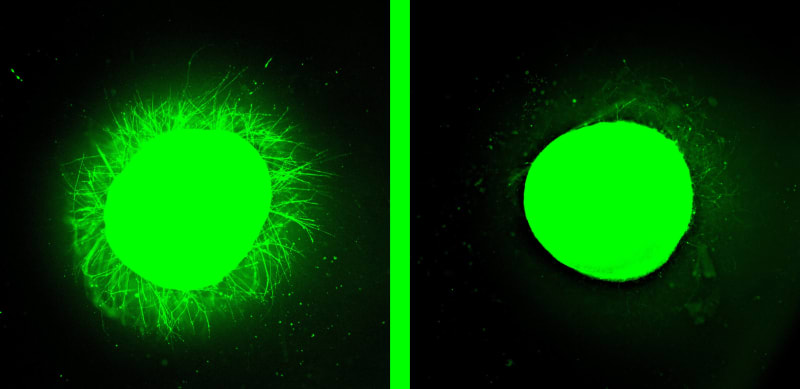
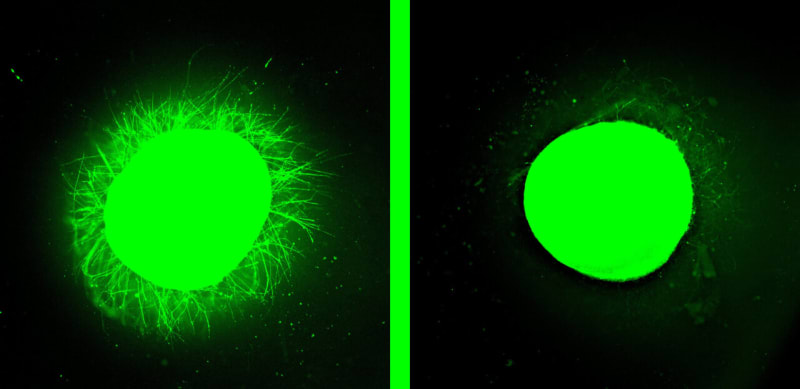
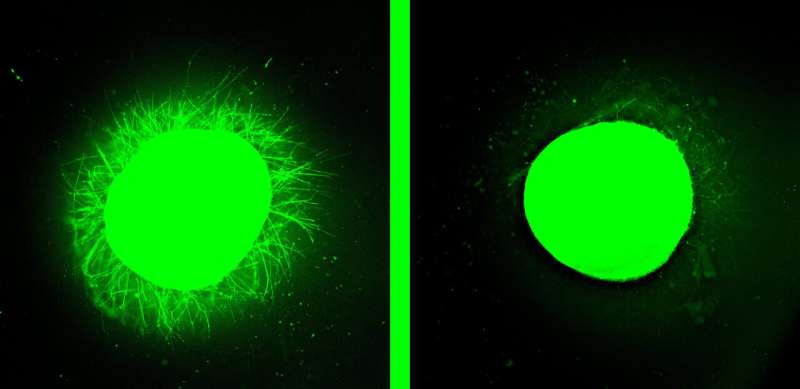
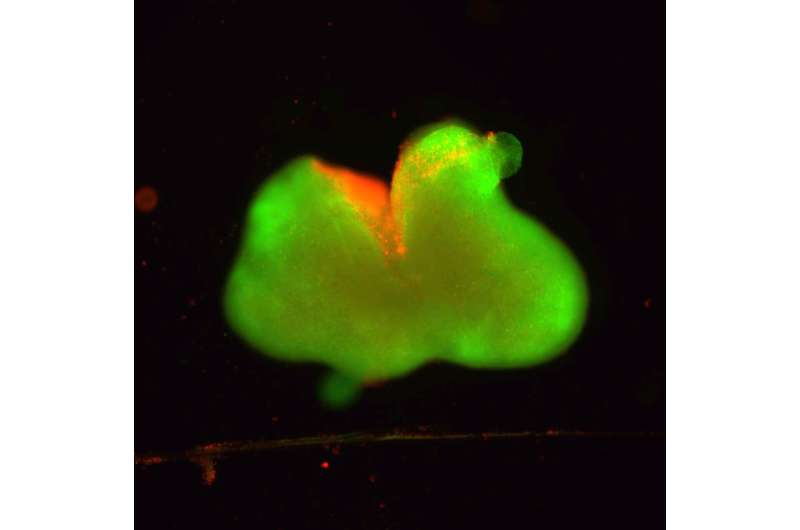
Northwestern University researchers created miniature versions of human spinal cords and then injured them to mimic real trauma. When they treated the damaged tissue with "dancing molecules," nerve fibers grew back and debilitating scar tissue nearly disappeared.
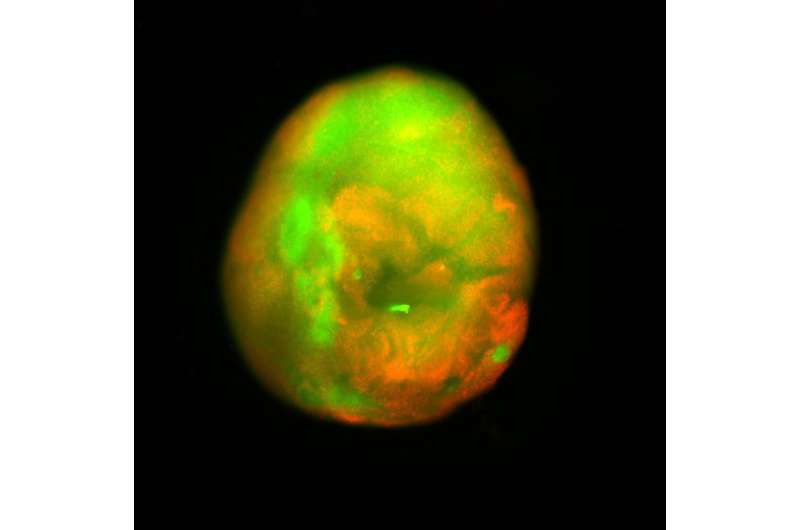
The organoids are tiny lab-grown organs about the size of a pea, but they pack all the complexity of real spinal cord tissue. Scientists spent months growing them from stem cells, carefully developing neurons and immune cells that react just like the human body does after injury.
What makes these organoids special is their realism. For the first time, researchers added microglia, immune cells that trigger inflammation after spinal injuries. This means the organoid accurately shows everything that happens in a real injury, including the thick scar tissue that blocks nerve healing.
The dancing molecules therapy works by mimicking the body's natural healing signals. Injected as a liquid, it instantly forms a gel network of nanofibers that encourages nerves to reconnect. The molecules move constantly at the molecular level, which activates healing receptors more effectively than stationary molecules.
Professor Samuel Stupp, who invented the therapy, tested it on two different injury types. Both showed remarkable healing. The normally dense glial scars faded to barely detectable levels, and new nerve extensions called neurites sprouted throughout the tissue.
Why This Inspires
This research represents the final hurdle before human trials. The therapy already reversed paralysis in mice and earned FDA Orphan Drug Designation, a critical step toward approval. Testing in human tissue organoids gives researchers confidence the treatment will work in actual patients.
The organoid model itself is a game changer. Instead of relying solely on animal studies that may not translate to humans, scientists can now test spinal cord therapies on actual human tissue. It's faster, cheaper, and more accurate than traditional methods.
Around 300,000 Americans currently live with spinal cord injuries, and 18,000 new cases occur each year. Most face permanent paralysis with few treatment options beyond physical therapy and assistive devices.
The dancing molecules approach targets the root problem: the body's overreaction to injury that creates barriers to healing. By dissolving these barriers and encouraging nerve regrowth, the therapy addresses both symptoms simultaneously.
Stupp's team is now preparing for the next phase: human clinical trials that could begin within the next few years.
Every step forward brings real people closer to regaining movement, independence, and hope for recovery that wasn't possible before.
More Images
Based on reporting by Medical Xpress
This story was written by BrightWire based on verified news reports.
Spread the positivity!
Share this good news with someone who needs it