Danube Drought Uncovers WWII Ships and Mammoth Bones
Europe's historic Danube River is revealing incredible hidden treasures as drought drops water levels to record lows. From Nazi warships to ancient mammoth remains, these accidental discoveries are giving scientists and historians a rare window into the past.
When the Danube River's water levels dropped to historic lows this summer, nobody expected the river to start giving up secrets buried for decades and even millennia.
The second-longest river in Europe has exposed dozens of World War II German warships, ancient mammoth bones, and century-old vessels across multiple countries. While the drought itself reflects serious climate challenges, the discoveries are offering researchers unprecedented access to hidden history.
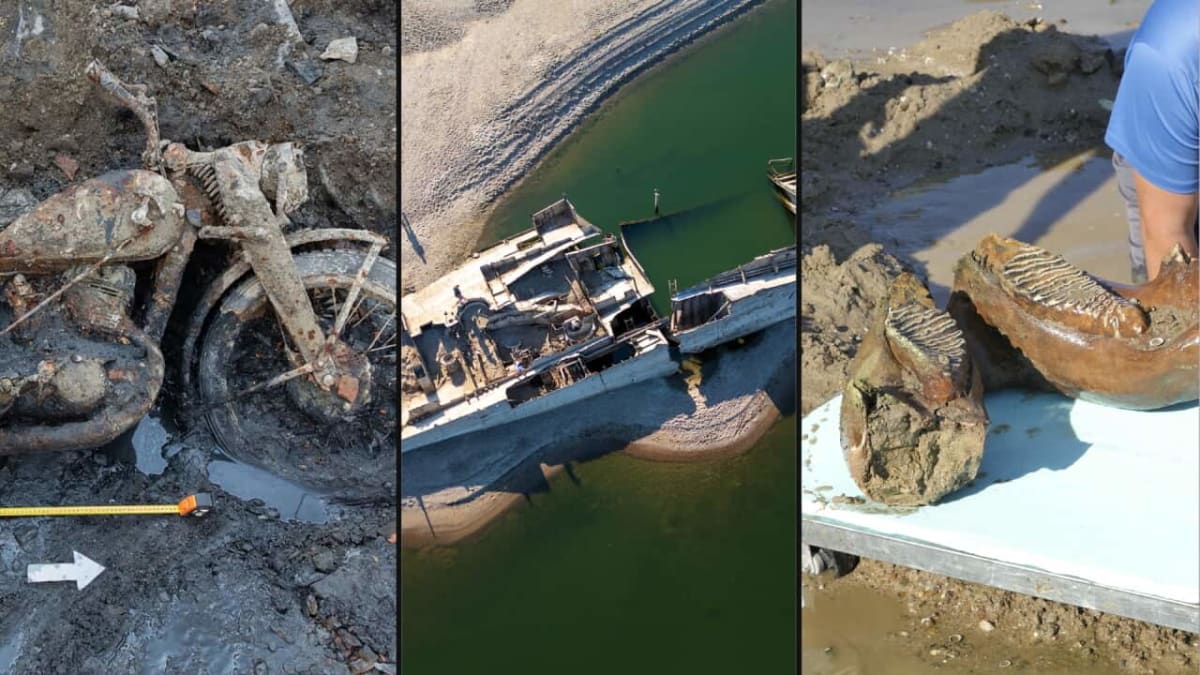
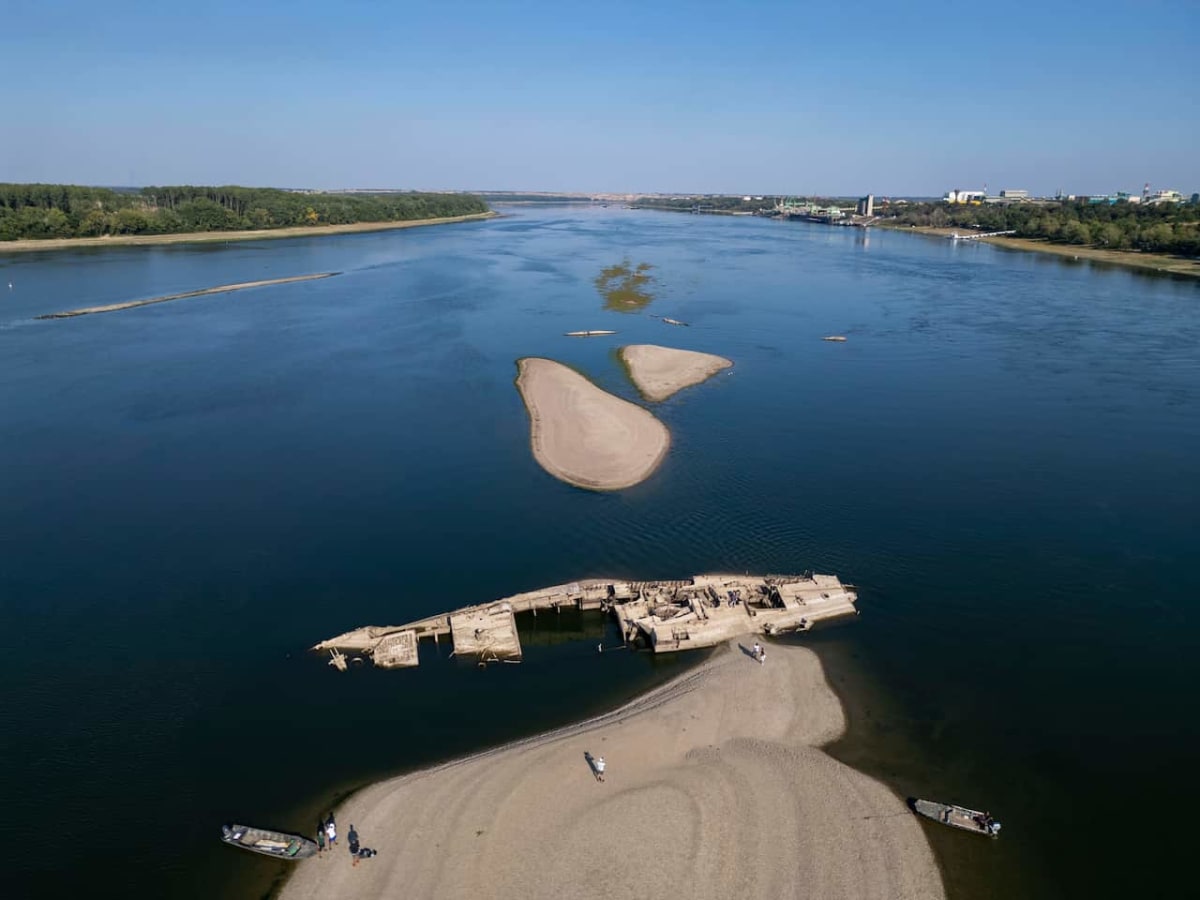
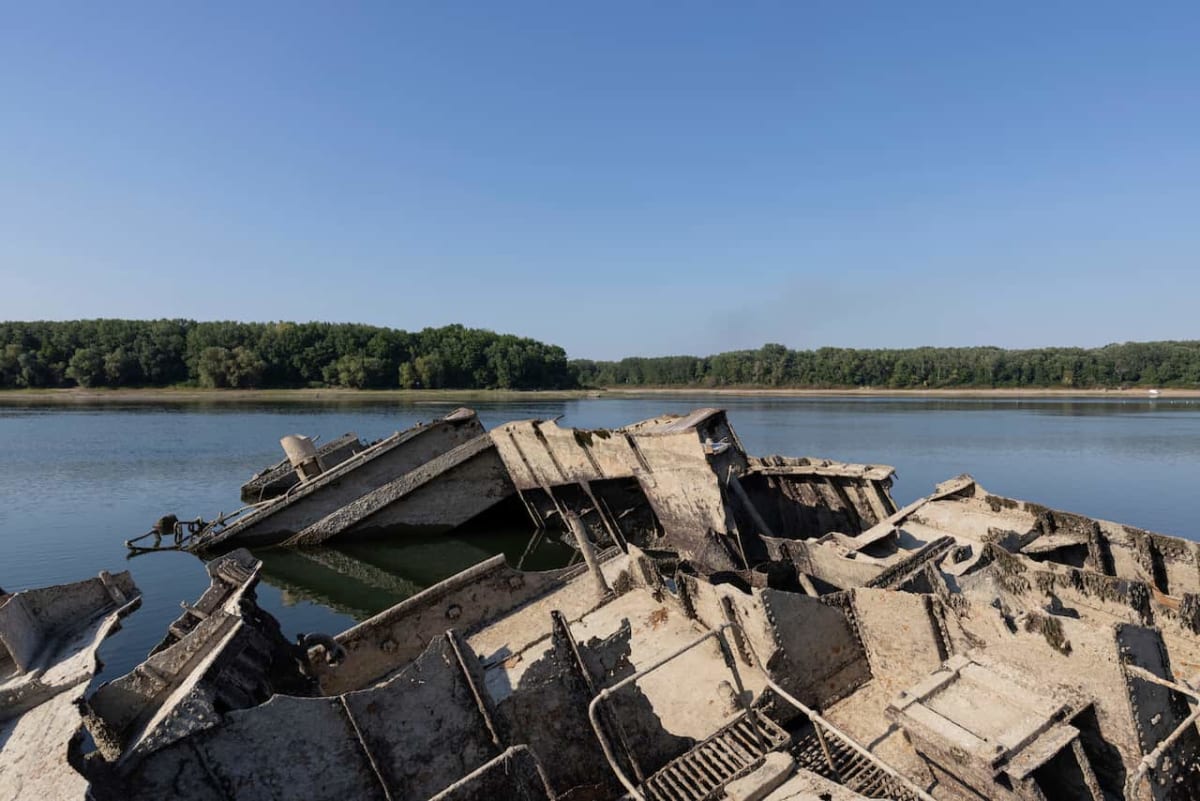
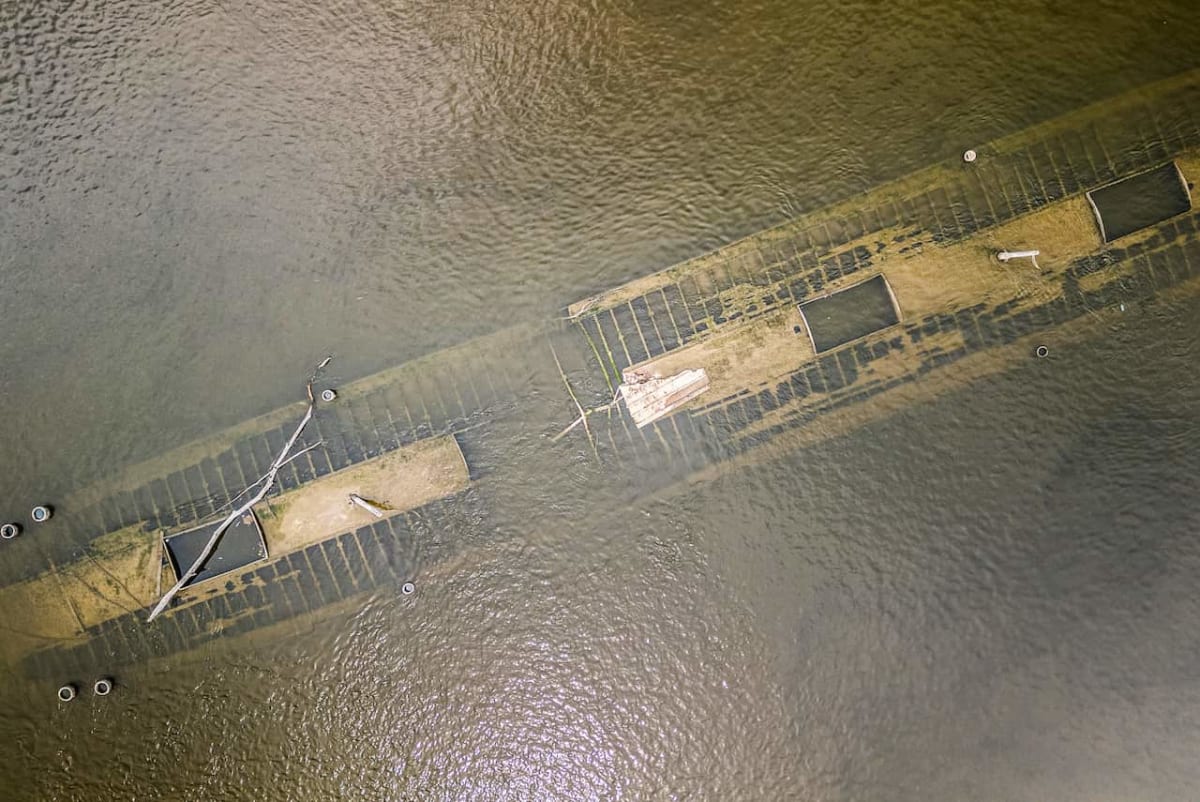
Near the Serbian port of Prahovo, rusty hulls of Nazi Germany's Black Sea fleet are now visible above the waterline. The Germans deliberately sank up to 200 warships in September 1944 while retreating from Soviet forces, hoping to slow their advance through the Balkans.
Some vessels still carry weapons and explosives, making them dangerous even 80 years later. Yugoslav authorities removed some wrecks after the war, but most remained submerged until now.
In Budapest, specialists from the German War Graves Commission recovered the remains of two Wehrmacht soldiers from the riverbed. The team also found identification tags, a German military motorcycle, and several anti-tank mines at the site, allowing them to potentially identify the soldiers and bring closure to their families.
The discoveries aren't limited to World War II. In northern Bulgaria, a local resident spotted what experts confirmed are mammoth remains, including a jawbone, tusks, shoulder blade fragments, and a femur.
Museum director Nikolay Nenov explained that the site was likely an ancient swamp where the woolly mammoth died thousands of years ago. These cold-resistant herbivores once roamed alongside early humans who hunted them for food and used their bones as tools.
The Bright Side
While these treasures surfaced due to drought conditions, they're giving scientists invaluable opportunities for research and discovery. Archaeologists and historians rarely get such clear access to underwater sites without expensive diving operations.
The exposed warships are helping governments finally address long-delayed cleanup efforts. Serbia, with European Union support, is now working to remove the dangerous wrecks and improve navigation on this vital waterway that flows through 10 nations.
Each discovery adds pieces to our understanding of both natural and human history, from the behavior of ice age animals to the final days of World War II in Eastern Europe.
These accidental time capsules remind us that even during challenging times, there are opportunities to learn, remember, and connect with the incredible story of our shared past.
More Images

Based on reporting by SBS Australia
This story was written by BrightWire based on verified news reports.
Spread the positivity!
Share this good news with someone who needs it