Dartmoor Brings Endangered Curlews Back From the Brink
After 35 years of decline left just five curlew chicks successfully fledged since 2005, a dedicated conservation project on Dartmoor is working to restore the UK's largest wading bird to its historic moorland home. Jon Avon's recovery effort combines habitat restoration, predator management, and community partnerships to save a species whose haunting song once defined Britain's wild landscapes.
The bubbling song of curlews once echoed across Dartmoor's open moors each spring, but by 2005, that sound had nearly vanished. Only five chicks have survived to flight in the past two decades, marking a heartbreaking decline for the UK's largest wading bird.
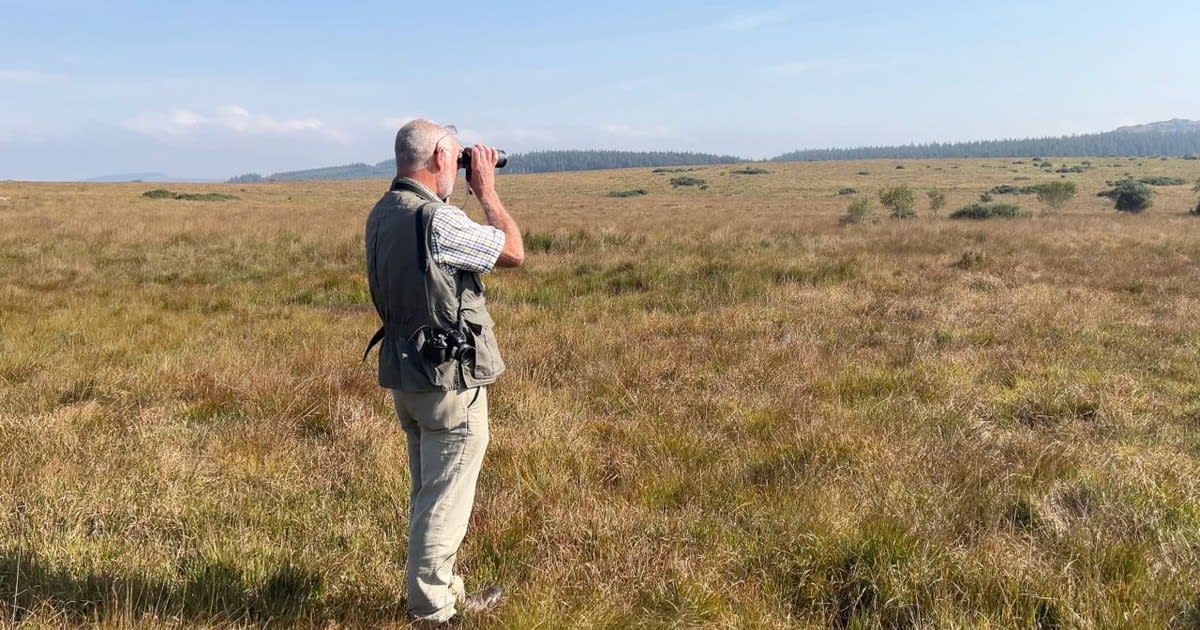
Jon Avon, the Duchy of Cornwall's Curlew Recovery Project Officer, is leading the charge to bring them back. His work centers on Dartmoor, where the first curlew nest was discovered in 1886 and where about 30 pairs thrived through the 1980s before numbers plummeted.
The challenge is urgent. A quarter of Europe's curlew population breeds in the UK, making British conservation efforts critical to the species' survival.
These magnificent birds, recognizable by their long curved bills and haunting calls, face a deadly obstacle. Ground nesting makes them vulnerable to predators like carrion crows and foxes, which destroy eggs and kill chicks faster than populations can recover.
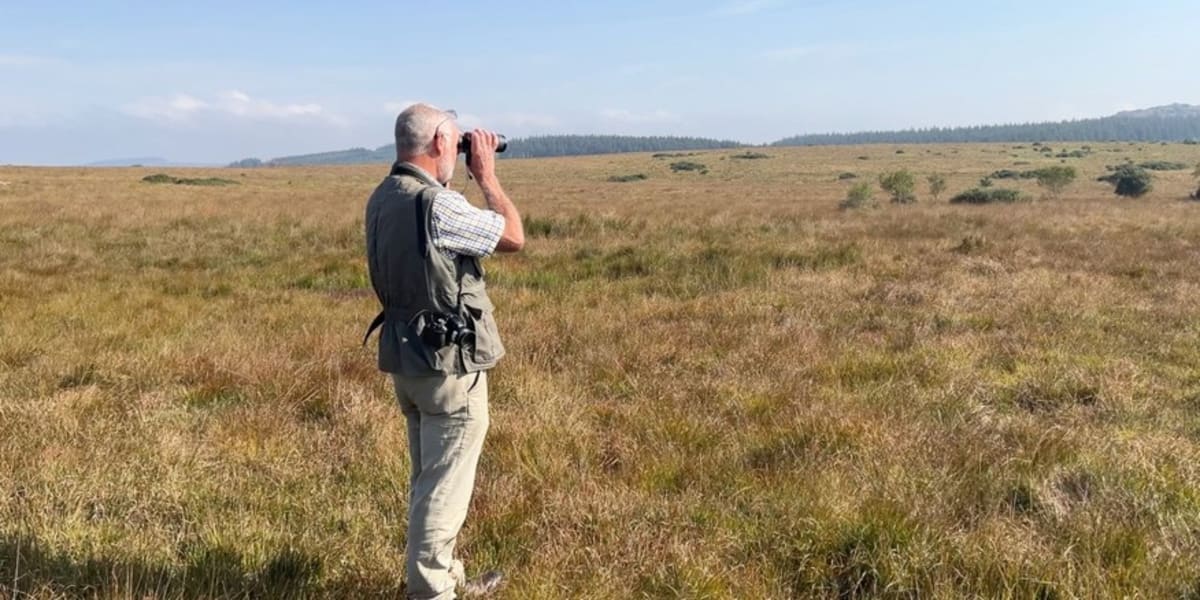
Avon's days stretch from March through July, walking miles across Dartmoor in all weather. He watches curlew behavior, tracks nesting activity, monitors predators, and builds relationships with landowners whose cooperation makes conservation possible.
The recovery strategy is multifaceted. Teams create new ponds and wetland areas, manage vegetation to provide ideal nesting conditions, remove predatory crows, install fencing, and divert footpaths to reduce human disturbance during breeding season.
Success requires each curlew pair to produce just one surviving chick per year. That simple number could stabilize the entire population.
The Ripple Effect
Avon's work extends far beyond saving one species. Curlews serve as indicators of healthy moorland ecosystems, and their recovery signals hope for countless other creatures sharing their habitat.
The conservation lessons learned on Dartmoor can guide similar efforts across Britain and Europe. When techniques work here, they can be replicated wherever curlews struggle.
Local communities are reconnecting with nature through the project. Landowners, visitors, and conservation groups are collaborating in ways that strengthen both human relationships and environmental stewardship.
One moment keeps Avon motivated through challenging seasons. In 2016, he watched a fledged curlew take its first flight, a sight so rare it remains etched in his memory as proof that recovery is possible.
The timeline is longer than anyone initially expected because curlews live long lives with complex survival patterns. But patience is part of the commitment, and each small victory builds toward the goal of hearing that distinctive bubbling song ring out across Dartmoor once more.
"If we can work together to bring back curlews, their song will sing the hope for other species too," Avon says, capturing why this work matters far beyond one bird.
More Images
Based on reporting by Google News - Endangered Species Recovery
This story was written by BrightWire based on verified news reports.
Spread the positivity!
Share this good news with someone who needs it