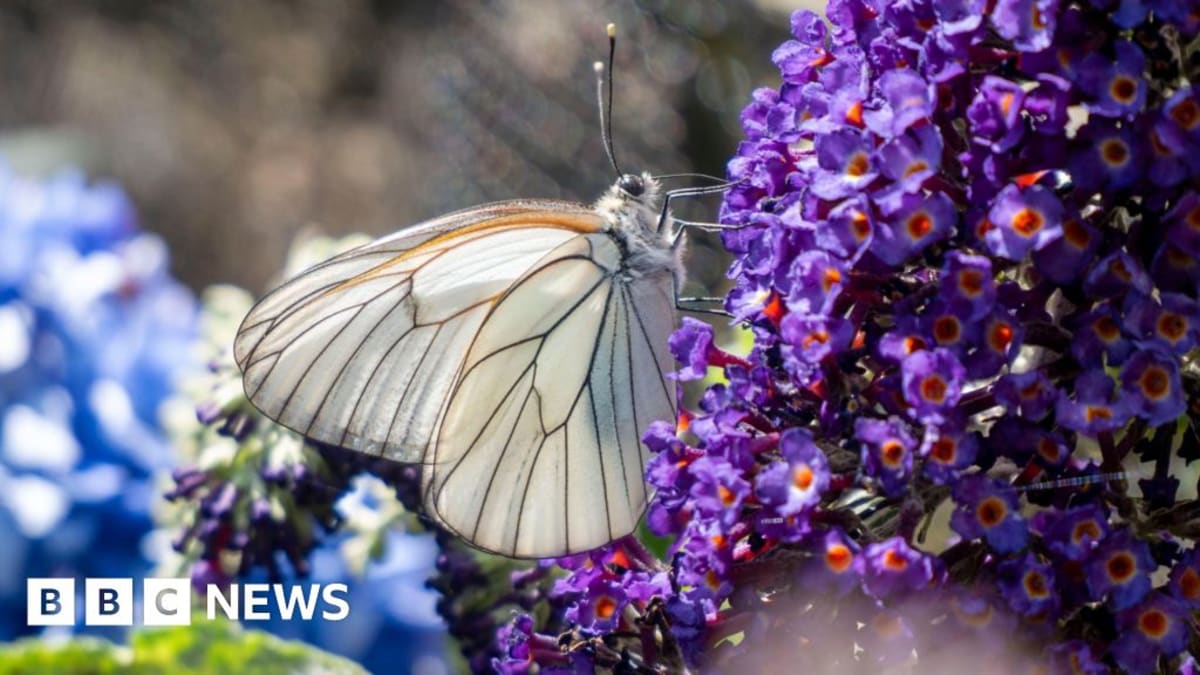
Dartmoor Zoo Brings 'Extinct' Butterfly Back to UK
A Devon zoo is reintroducing a butterfly species that vanished from Britain nearly 100 years ago. Within 10 minutes of arriving from France, one butterfly had already laid eggs.
A butterfly that disappeared from British skies in 1925 is getting a second chance, thanks to a determined team at Dartmoor Zoo.
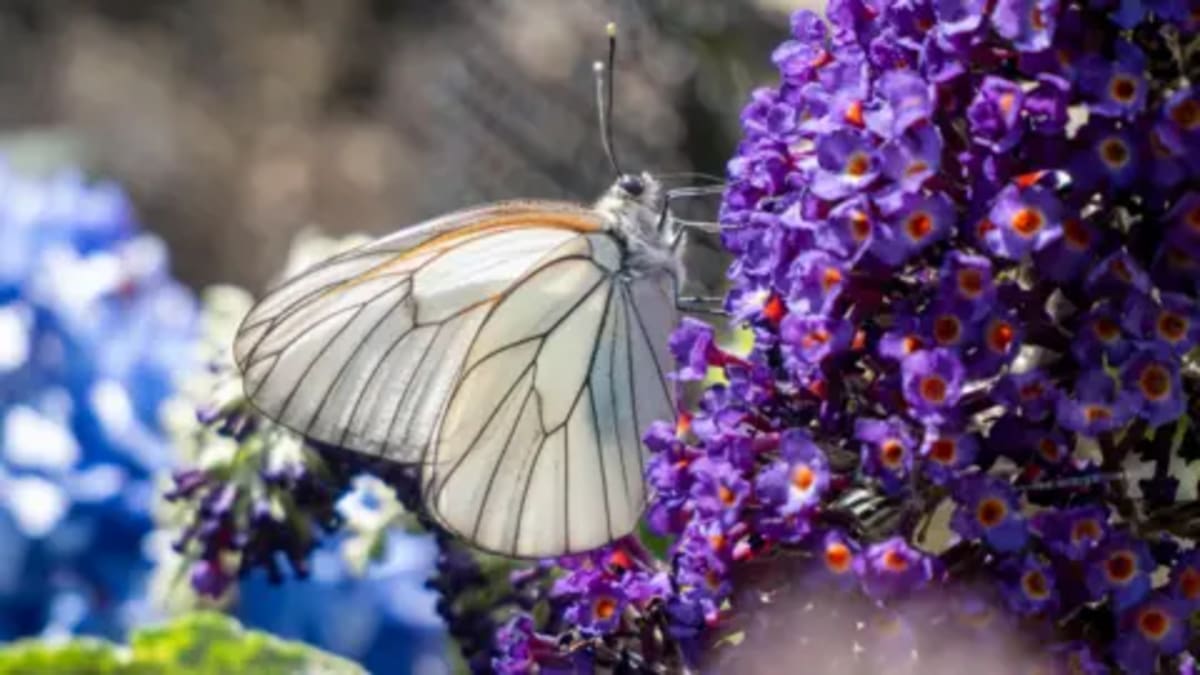
Nine female black-veined white butterflies arrived at the Devon zoo on Tuesday from Normandy, France. Before staff could even catch their breath, one butterfly was already laying eggs, a promising sign for the ambitious reintroduction project.
The species was first recorded in Britain during the reign of King Charles II. But after World War One, increased pesticide use and the removal of native hedgerows wiped them out completely.
Dr. David Gibson, the zoo's chief executive officer, calls these butterflies some of "the rarest animals in the UK at the moment." His team is working to change that status.
The butterflies need hawthorn and blackthorn trees to survive. In June 2023, someone spotted the species on the edge of London for the first time in decades, suggesting conditions might finally be right for their return.
Dartmoor Zoo isn't working alone. They've partnered with Knepp Rewilding, Royal Holloway University, and Butterfly Conservation to give these delicate insects the best shot at survival.
The Ripple Effect
Bringing back one small butterfly matters more than you might think. Gibson points out that the UK ranks as one of the most nature-depleted countries in the world, and reversing that damage has to start somewhere.
Pollinators like butterflies form the foundation of our entire food system. Without them, plants can't reproduce, crops fail, and ecosystems collapse.
Gibson draws a direct line between this project and larger rewilding efforts. "Bringing one single butterfly back is just as important as reintroducing pine martens, lynx or even wolves and brown bears," he said.
The first butterflies could flutter free in east Devon as soon as next summer. After nearly a century of absence, the black-veined white is coming home.
More Images

Based on reporting by BBC Science
This story was written by BrightWire based on verified news reports.
Spread the positivity!
Share this good news with someone who needs it

%2Fhttps%3A%2F%2Ftf-cmsv2-smithsonianmag-media.s3.amazonaws.com%2Ffiler_public%2Fb8%2F56%2Fb856c57c-7aff-4096-b546-25ba8d8da052%2Fdsc1535.jpeg)