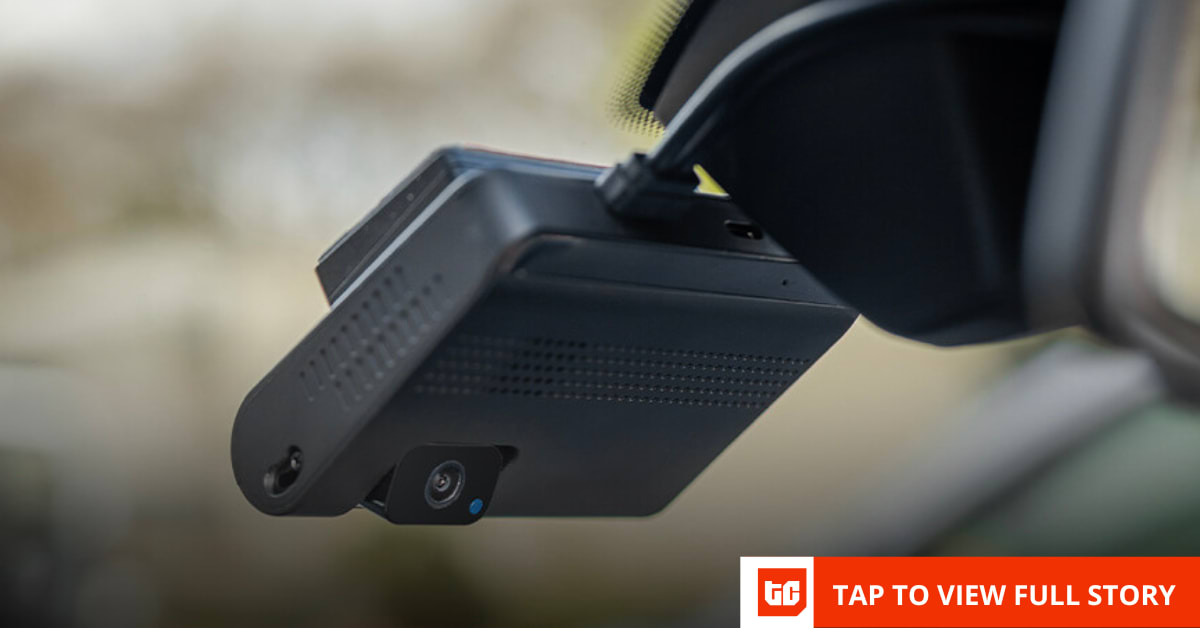
Dash Cams Save Lives for South Africa's Ride Drivers
After a Nigerian driver's murder was captured on camera and led to arrests within days, South African ride-hailing drivers are turning dash cams into standard safety equipment. The technology shift is saving lives by deterring crime and providing crucial evidence when attacks occur.
When Isaac David Satlat's final moments were captured on his dash cam in February 2025, the footage did more than help police catch his killers. It sparked a safety revolution among South Africa's ride-hailing drivers.
Within days of the video circulating, dash cams shifted from optional extras to essential equipment. Drivers across Johannesburg and Pretoria began installing cameras at unprecedented rates, turning personal vehicles into protected spaces.
Martin, an Uber driver in Johannesburg, calls his new dash cam "justice insurance." For just R400 (about $25), drivers can now record both video and audio of every trip. The affordability means even workers in the tight-margin gig economy can protect themselves.
The cameras serve dual purposes that GPS tracking alone cannot provide. While they don't prevent attacks in real time, they make criminals think twice before striking. Qhubani, a Bolt driver, notes that visible cameras deter violence because attackers know footage leads to faster arrests.
When violence does occur, the recordings become the last witness. "The footage helps as evidence for family members to get justice if someone is killed," explains Butho, who recently installed his camera. In Satlat's case, that evidence put suspects in custody within days.
The Ripple Effect
The camera adoption is creating broader changes across South Africa's ride-hailing industry. Both Uber and Bolt now support dash cam integration through their apps, with Bolt launching an in-app partnership specifically for drivers in May 2025.
The South African Ride-Hailing Drivers Association is pushing for mandatory cameras across all platforms. Chairperson Ndabezinhle Khoza argues that when cameras are remotely monitored, they become powerful tools for stopping crimes in progress, not just solving them afterward.
The technology is also resolving everyday disputes that once came down to one person's word against another's. Video evidence settles conflicts over routes, behavior, and even confirms driver identity, addressing concerns about profile sharing.
Dr. Nyx McLean, a digital ethics researcher, acknowledges the privacy tensions but recognizes the reality drivers face. The cameras operate in what she calls a "grey zone" between public and private space, where safety needs and personal privacy must find balance.
For drivers navigating dangerous streets daily, that balance tips clearly toward protection. The cameras represent something rare in the gig economy: affordable technology that puts power back in workers' hands, one recording at a time.
Based on reporting by TechCabal
This story was written by BrightWire based on verified news reports.
Spread the positivity!
Share this good news with someone who needs it
%2Ffile%2Fattachments%2Forphans%2FMLJoburg-91_220988.jpg)
%2Ffile%2Fattachments%2Forphans%2FIMG_20260823_131033_256493.jpg)