Data Centers Cut Grid Wait Times by 5 Years With Batteries
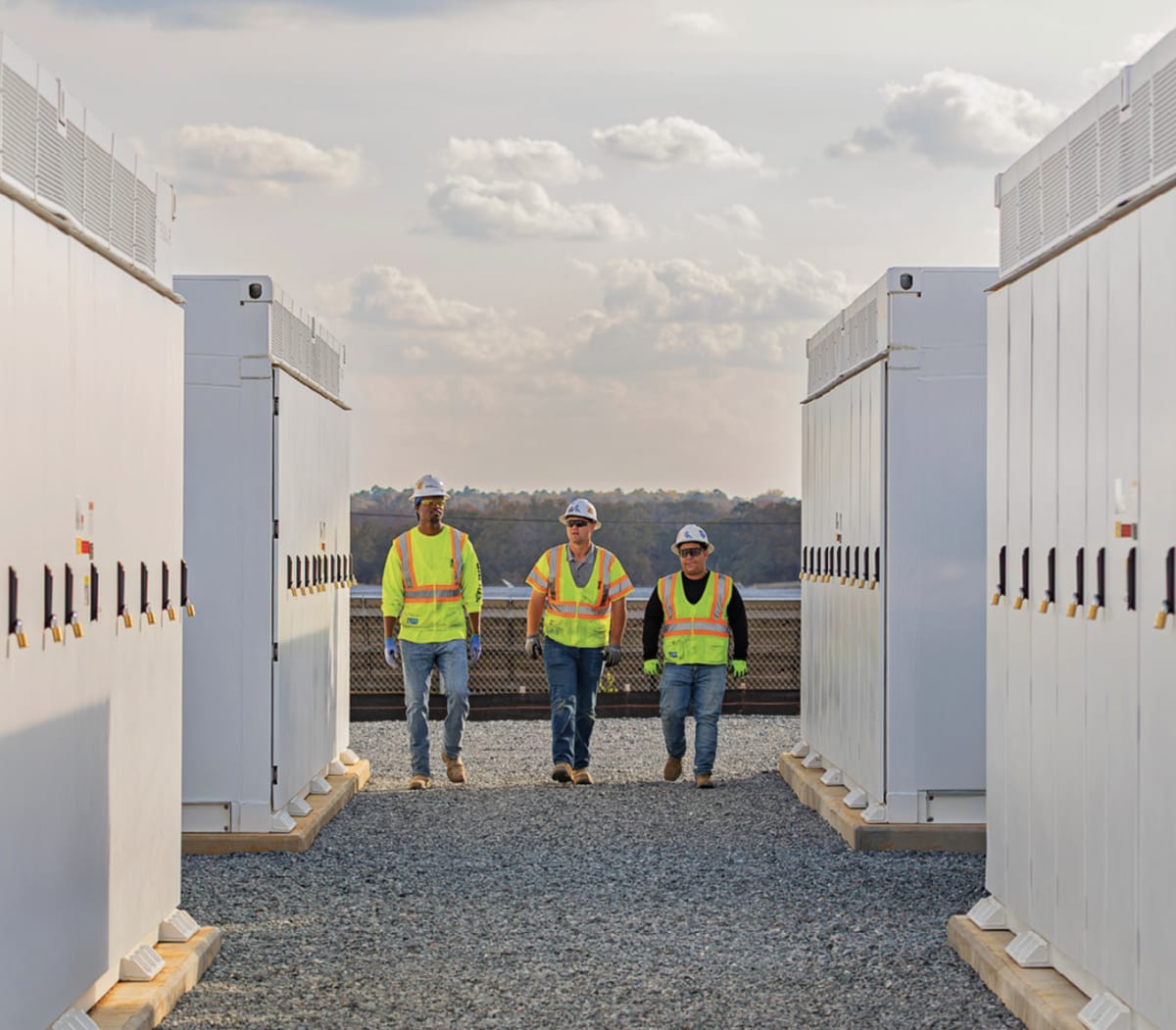
New technology is helping data centers connect to the power grid in months instead of years. On-site batteries are solving a major bottleneck that was delaying critical infrastructure projects across America.
Data centers that power everything from streaming services to artificial intelligence are finally solving a frustrating problem that's been holding back progress for years.
Building a data center takes about 12 to 24 months. Connecting it to the electricity grid? That can take up to 72 months, creating a massive delay for projects the world desperately needs.
Now, developers are using on-site batteries to slash that wait time by three to five years. The solution is called "bring your own capacity," or BYOC, and it's changing how America builds critical digital infrastructure.
"In today's market, power solutions for high-demand applications like data centers are required on timelines that were unthinkable just a few years ago," said Josh Tucker, director of engineering at Burns & McDonnell, a Missouri-based construction company. His team is helping data centers install batteries that can ramp up or down nearly instantaneously to manage power needs.
The batteries do more than just speed things up. They provide backup power during peak demand hours when the grid falls short, which often makes the difference between getting approval or facing another long delay.
Portland General Electric in Oregon is already seeing results. The utility worked with developer Aligned and battery specialist Calibrant to build a 30 megawatt battery system for the Hillsboro data center. The battery solution accelerated their grid connection significantly.
A December 2024 study funded by Google and conducted by Camus Energy proved the concept works at scale. Researchers tested the approach on six real sites within one utility's territory, combining actual transmission data with capacity modeling.
"This approach aligns the data center's need for rapid access to power with the utilities' obligations to maintain reliability and ensure affordability," the study stated. It's the first publicly available research to show how flexibility can accelerate data center connections using real utility data.
The batteries work alongside flexible grid connections, where developers agree to reduce power use during periods of grid stress. Together, these tools replace the old "build first, connect later" model with a smarter approach: connect now, operate flexibly when needed.
The Ripple Effect
This breakthrough matters far beyond data centers. Every month of delay in building digital infrastructure affects everything from medical research to climate modeling to educational resources. Faster connections mean faster innovation.
The battery systems also strengthen the overall power grid by providing backup capacity during peak hours, helping everyone in the community access reliable electricity. Several utilities are now planning similar flexible interconnection studies for new projects.
Engineers and regulators expect this trend to accelerate in 2025 as demand for AI and cloud computing continues to grow. Speed remains the top priority, and the innovation happening today is making that speed possible without compromising grid reliability.
America's digital future is getting brighter, one battery at a time.
More Images
Based on reporting by PV Magazine
This story was written by BrightWire based on verified news reports.
Spread the positivity!
Share this good news with someone who needs it

%2Ffile%2Fattachments%2Forphans%2FBUSIMAVUSO_323364.jpg)